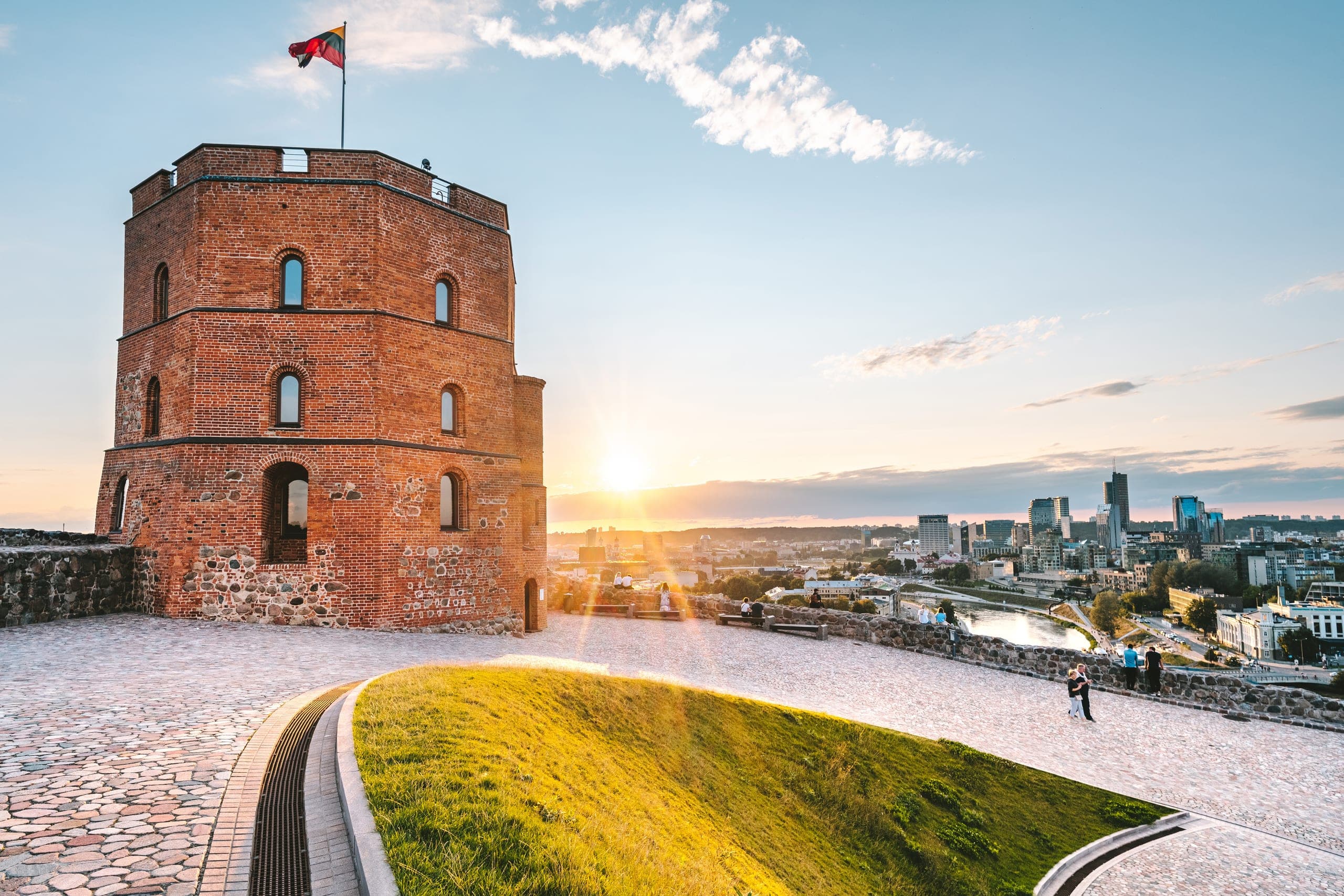
Jerusalem des Nordens
Erinnerungsreise, kein Sightseeing. Zehn Tage von Vilnius nach Kraków mit einem Fachhistoriker für jüdisches Erbe, sachlich erzählt und in einem Tempo, das der Stille Raum gibt, wo Stille nötig ist.
Die Route.
Tag für Tag.
Die Tageslichtwerte gelten für eine Abreise am 26. Oktober und werden für den Ort jedes Tages berechnet. Fragen Sie uns, wir rechnen sie für Ihre Termine.
Ankunft, das alte jüdische Viertel
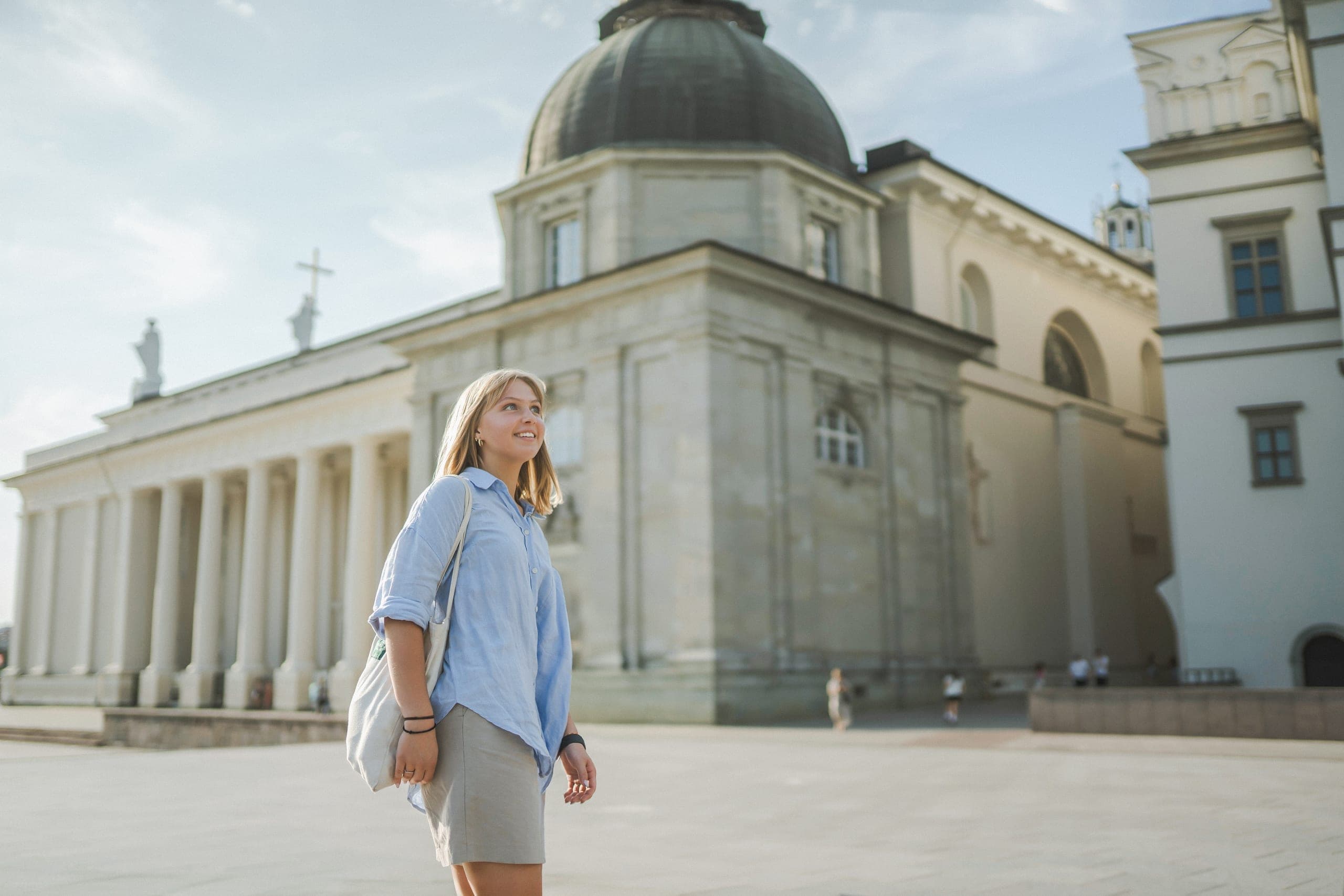
Ihr Fahrer empfängt Sie am Flughafen Vilnius und bringt Sie zum Grand Hotel am Domplatz. Am Nachmittag führt Sie Ihr Historiker durch die Straßen des ehemaligen jüdischen Viertels, wo vor 1941 mehr als hundert Synagogen und Bethäuser standen.
Den ganzen Tag lesen
Ihr privater Fahrer empfängt Sie am Flughafen Vilnius (VNO) und bringt Sie zum Grand Hotel Kempinski am Domplatz. Sobald Sie sich eingerichtet haben, führt Sie Ihr Historiker, ein Fachmann für litauisch-jüdische Geschichte, der diese Route persönlich leitet, durch die Straßen, die einst das Herz des alten jüdischen Viertels bildeten: Vokiečių, Žydų und Stiklių, wo vor 1941 das Jerusalem des Nordens des Wilnaer Gaon mehr als hundert Synagogen, Bethäuser und religiöse Schulen auf wenigen Häuserblocks beherbergte. Fast keines der Gebäude ist in seiner ursprünglichen Form erhalten, und Ihr Historiker erklärt anhand von Fotografien und Vorkriegskarten sachlich, was wo stand, statt auf Rekonstruktionen zurückzugreifen. Der Spaziergang ist ungehetzt und größtenteils zu Fuß. Ein ruhiges Abendessen in der Nähe des alten Viertels schließt den Abend.
- Transfer vom VNO
- Das ehemalige jüdische Viertel zu Fuß
- Historikergeführte Einführung mit Vorkriegskarten
Das Vilnius-Gaon-Museum & YIVO
Der Vormittag ist dem Vilnius-Gaon-Museum für jüdische Geschichte gewidmet, mit Zeit für die nahegelegene archäologische Stätte der Großen Synagoge. Am Nachmittag führt Sie Ihr Historiker zum Standort des ursprünglichen YIVO-Instituts in der Vivulskio-Straße.
Den ganzen Tag lesen
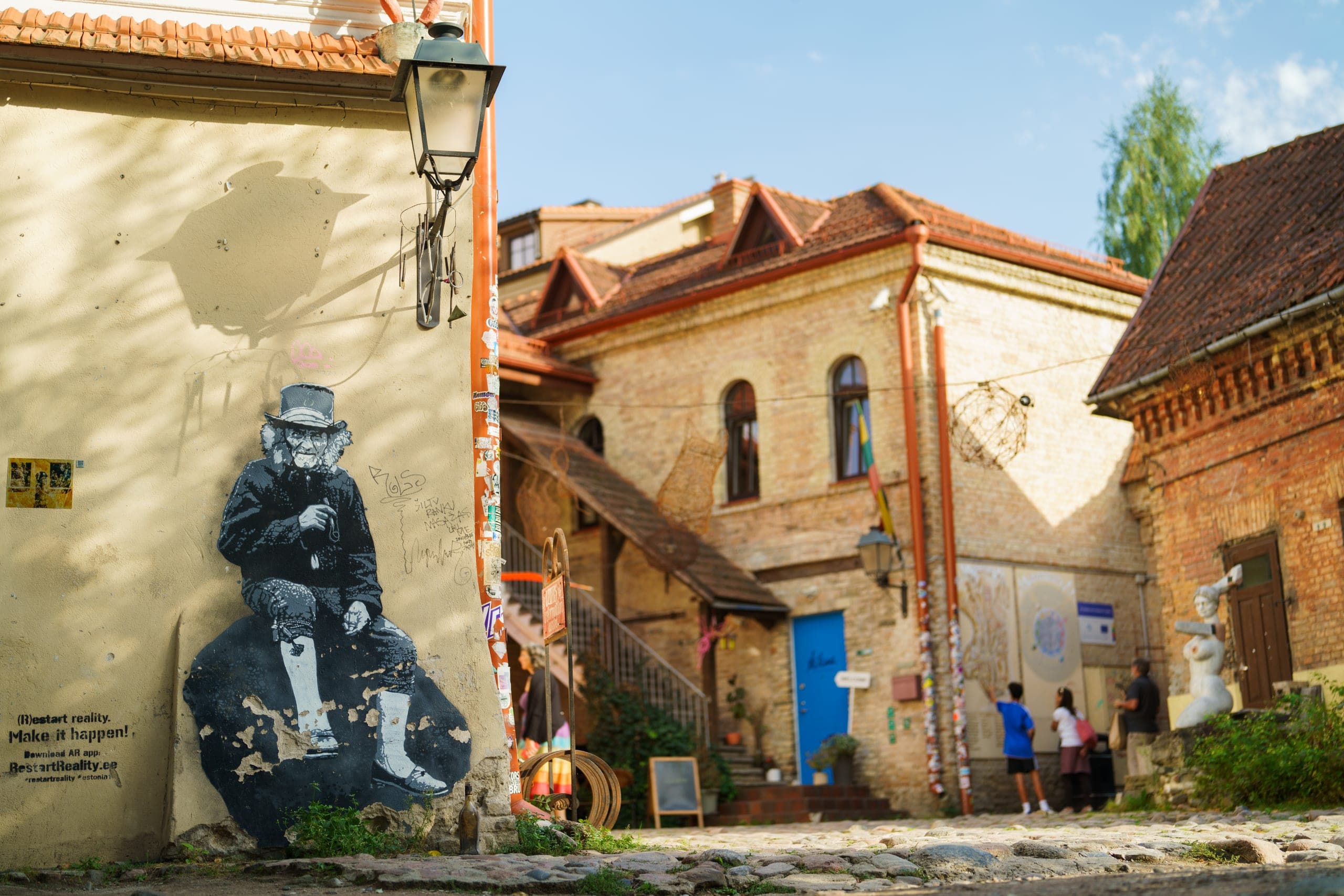
Nach dem Frühstück bringt Sie Ihr Historiker zum Vilnius-Gaon-Museum für jüdische Geschichte, der Institution, die am unmittelbarsten dafür verantwortlich ist, die jüdische Geschichte von Vilnius dokumentiert und sichtbar zu halten. Sie verbringen den Vormittag in Ruhe mit der Sammlung und gehen dann die kurze Strecke zur archäologischen Stätte der Großen Synagoge, die nach dem Krieg abgerissen und nur teilweise ausgegraben wurde: Heute steht dort die Hülle einer Schule über einem Teil davon, und Ihr Historiker zeigt Ihnen, was freigelegt wurde und was noch unter den umliegenden Straßen verborgen liegt. Am Nachmittag gehen Sie zur Vivulskio-Straße, wo das ursprüngliche YIVO-Institut für jüdische Forschung von 1925 bis 1940 arbeitete, damals das führende Zentrum jiddischer Gelehrsamkeit weltweit. Ihr Historiker erklärt, was YIVO war, warum es der Besatzung nach New York auswich, und was mit dem zurückgebliebenen Material geschah. Der Abend ist frei.
- Vilnius-Gaon-Museum für jüdische Geschichte
- Archäologische Stätte der Großen Synagoge
- Ursprüngliches YIVO-Institut, Vivulskio-Straße
Die Chorsynagoge, Paneriai
Der Vormittag beginnt an der Chorsynagoge, der einzigen der Vorkriegssynagogen von Vilnius, die noch steht und genutzt wird. Am Nachmittag bringt Sie Ihr Fahrer nach Paneriai, wo Ihr Historiker einen ungehetzten Besuch der Waldgedenkstätte leitet. Der Abend wird, wo möglich, mit Mitgliedern der kleinen lebendigen jüdischen Gemeinde von Vilnius verbracht.
Den ganzen Tag lesen
Sie beginnen den Vormittag an der Chorsynagoge in der Pylimo-Straße, der einzigen von mehr als hundert Vorkriegssynagogen in Vilnius, die den Krieg unbeschadet überstanden hat und noch regelmäßig genutzt wird. Ihr Historiker erklärt ihre Architektur und die kleine, widerstandsfähige Gemeinde, die sie heute erhält. Am Nachmittag bringt Sie Ihr Fahrer eine kurze Strecke außerhalb der Stadt nach Paneriai, dem Wald, in dem zwischen 1941 und 1944 schätzungsweise siebzigtausend Menschen, die meisten von ihnen Juden aus Vilnius und der umliegenden Region, getötet wurden. Ihr Historiker gestaltet den Besuch bewusst langsam, in einem Tempo, das eher der Stille als einer Abfolge von Fakten dient, und drängt Sie nicht zwischen den Gedenktafeln und den Gruben. Es gibt kein festes Skript dafür, wie lange Sie bleiben. Am Abend arrangieren wir, je nach Verfügbarkeit und Bereitschaft, Zeit mit Mitgliedern der heutigen jüdischen Gemeinde von Vilnius, damit der Tag nicht nur im Verlust endet.
- Chorsynagoge, Pylimo-Straße
- Gedenkstätte Paneriai, ungehetzt
- Abend mit der lebendigen Gemeinde, wo möglich
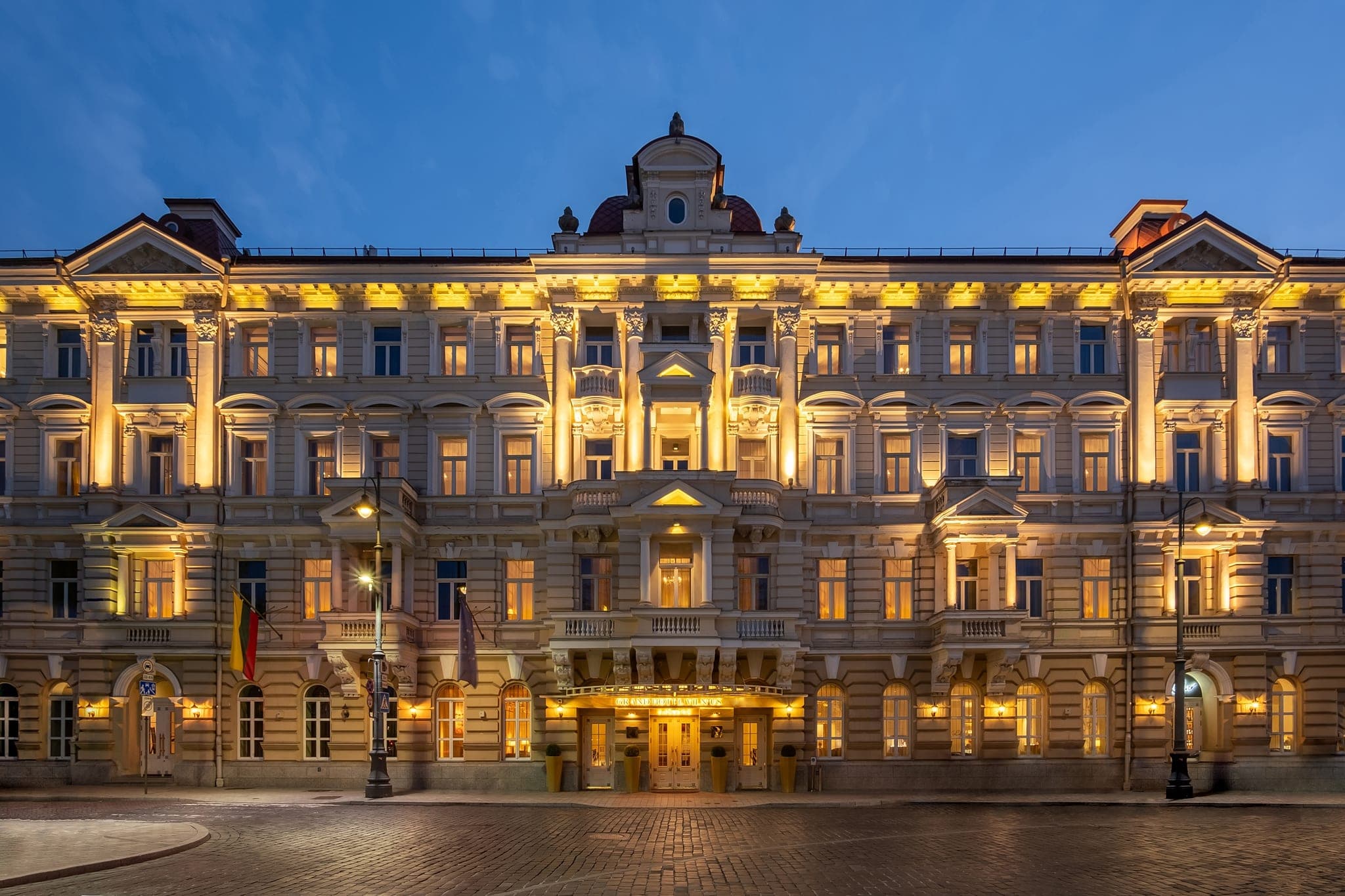
Grand Hotel Vilnius, Curio Collection by Hilton
Dritte Nacht am Domplatz.
Bis zum Eingang Ihrer Anzahlung ist dieses Hotel optioniert, nicht gebucht. Ist es dann vergeben, ersetzen wir es durch ein gleichwertiges oder besseres und sagen Ihnen vorher Bescheid.
Kaunas: das Neunte Fort & das Sugihara-Haus
Sie verlassen Vilnius in Richtung Kaunas, der zeitweiligen Hauptstadt des Zwischenkriegslitauens. Der Vormittag gilt der Gedenkstätte Neuntes Fort, der Nachmittag dem Sugihara-Haus, wo ein japanischer Konsul 1940 Tausende Transitvisa ausstellte. Von Kaunas fährt Ihr Fahrer weiter westwärts nach Warschau.
Den ganzen Tag lesen
Nach dem Frühstück verlassen Sie Vilnius und fahren nach Kaunas, das zwischen den Weltkriegen kurzzeitig als Hauptstadt Litauens diente und eine der größten und etabliertesten jüdischen Gemeinden der Region beherbergte, bekannt als Kovno. Ihr Historiker bringt Sie zum Neunten Fort, einer Festung aus dem 19. Jahrhundert, die während der Besatzung als Massenerschießungs- und Internierungsstätte diente und heute als Gedenkstätte und Museum sowohl die Geschichte des Forts als auch des nahegelegenen Ghettos Kaunas dokumentiert. Am Nachmittag besuchen Sie das Sugihara-Haus, das ehemalige japanische Konsulat, wo im Sommer 1940 Konsul Chiune Sugihara sich den Anweisungen seiner Regierung widersetzte und Tausende Transitvisa ausstellte, die jüdischen Flüchtlingen die Flucht ostwärts durch die Sowjetunion und Japan ermöglichten. Das Haus bewahrt sein Büro weitgehend so, wie es damals aussah. Von Kaunas setzt Ihr Fahrer die lange Fahrt westwärts nach Polen fort und erreicht am Abend Warschau, wo Sie im Hotel Bristol einchecken.

- Gedenkstätte und Museum Neuntes Fort
- Sugihara-Haus und die Visa von 1940
- Lange Fahrt nach Warschau
POLIN, in voller Länge
Der Tag gehört fast vollständig dem POLIN-Museum zur Geschichte der polnischen Juden, weithin als eines der bedeutendsten Museen Europas angesehen, das tausend Jahre und nicht nur den Krieg abdeckt. Ihr Guide ist POLIN-geschult, der Besuch dauert mindestens einen vollen halben Tag.
Den ganzen Tag lesen
Der heutige Tag ist um eine einzige Institution herum aufgebaut: das POLIN-Museum zur Geschichte der polnischen Juden, auf dem Gelände des ehemaligen Warschauer Ghettos. Die Dauerausstellung von POLIN deckt tausend Jahre polnisch-jüdischen Lebens ab, nicht nur dessen Zerstörung, und Ihr Guide, speziell für dieses Museum geschult, führt Sie in einem Tempo hindurch, das den früheren Jahrhunderten ihren Raum gibt, bevor die Besatzung und der Ghettoaufstand erreicht werden. Wir planen hierfür mindestens einen vollen halben Tag ein, oft mehr; dies ist kein Museum, das Eile belohnt. Direkt davor steht das Denkmal für die Helden des Ghettos, wo Ihr Guide den Besuch abschließt, bevor Sie den Nachmittag zur freien Verfügung haben, entweder um innezuhalten oder um das Muranów-Viertel zu erkunden, das über den Ruinen des Ghettos entstanden ist.
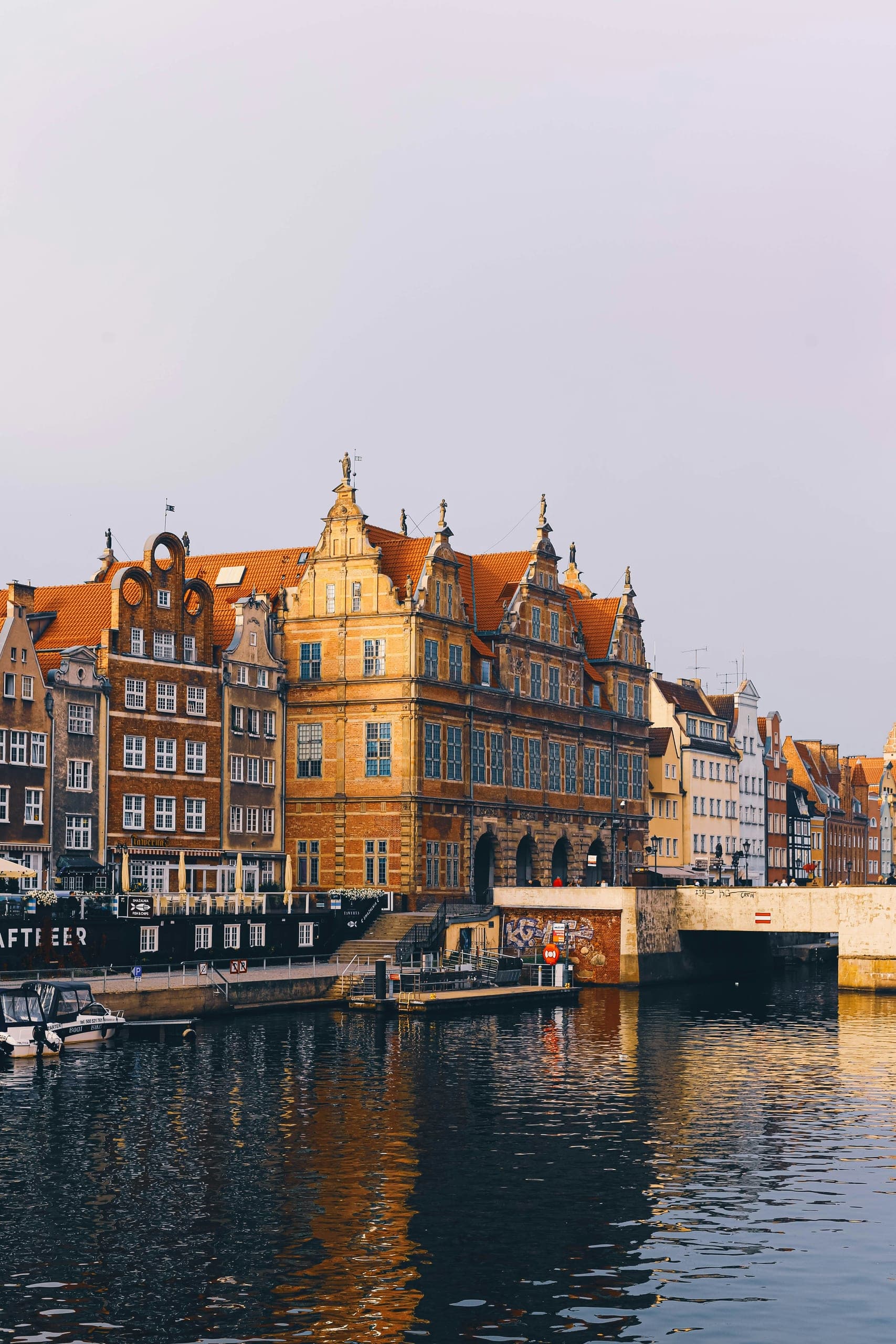
- POLIN-Museum, mindestens ein voller halber Tag
- POLIN-geschulter Guide
- Denkmal für die Helden des Ghettos
Die Ghettogrenze, Umschlagplatz, Nożyk
Zu Fuß zeichnet Ihr Historiker die ehemalige Ghettogrenze durch die moderne Stadt nach, heute markiert durch eine Reihe von Gedenktafeln und einige wenige erhaltene Mauerreste. Die Route führt am Umschlagplatz vorbei und endet an der Nożyk-Synagoge, Warschaus einziger noch stehender Vorkriegssynagoge.
Den ganzen Tag lesen
Von der Warschauer Ghettomauer steht heute fast nichts mehr oberirdisch; das Viertel wurde nach dem Aufstand von 1943 dem Erdboden gleichgemacht und über seinen eigenen Trümmern wiederaufgebaut. Ihr Historiker zeichnet stattdessen zu Fuß die Grenze durch die heutigen Straßen nach, folgt einer markierten Linie von Gehwegtafeln und hält an den wenigen echten Fragmenten der Ghettomauer an, die zwischen Wohnblocks und Innenhöfen erhalten sind. Der Spaziergang führt am Umschlagplatz vorbei, dem Gleisanschluss, von dem aus der größte Teil der Ghettobevölkerung nach Treblinka deportiert wurde, heute markiert durch ein steinernes Gedenktor. Der Tag endet an der Nożyk-Synagoge, erbaut 1902 und die einzige noch stehende Vorkriegssynagoge Warschaus, die den Krieg als Stall für deutsche Pferde überstand und heute regelmäßig genutzt wird. Der Abend ist frei.
- Ehemalige Ghettogrenze zu Fuß
- Gedenkstätte Umschlagplatz
- Nożyk-Synagoge
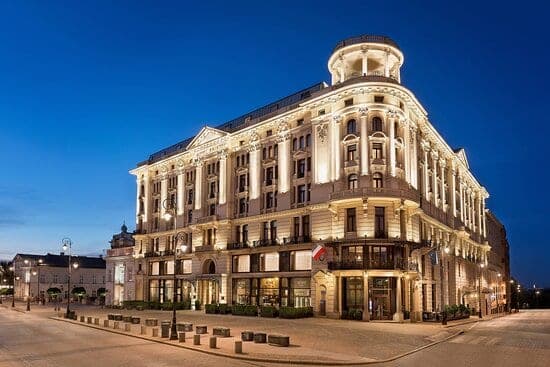
Hotel Bristol, a Luxury Collection Hotel
Dritte Nacht in Warschau.
Bis zum Eingang Ihrer Anzahlung ist dieses Hotel optioniert, nicht gebucht. Ist es dann vergeben, ersetzen wir es durch ein gleichwertiges oder besseres und sagen Ihnen vorher Bescheid.
Der Friedhof Okopowa, weiter nach Kraków
Der Vormittag ist dem jüdischen Friedhof an der Okopowa-Straße gewidmet, einem der größten und am wenigsten gestörten Europas. Am Nachmittag reisen Sie südwärts nach Kraków und checken in einem Boutiquehotel im Herzen von Kazimierz ein.
Den ganzen Tag lesen
Bevor Sie Warschau verlassen, bringt Sie Ihr Historiker zum jüdischen Friedhof an der Okopowa-Straße, gegründet 1806 und einer der größten jüdischen Friedhöfe Europas, mit rund zweihundertfünfzigtausend markierten Gräbern auf überwuchertem, bewaldetem Gelände, das nie vollständig geräumt oder neu bebaut wurde. Es ist ein anderes Register als die Museen und Gedenkstätten der vergangenen zwei Tage, stiller und weniger kuratiert, und den ungehetzten Spaziergang wert, den Ihr Historiker vorgibt. Am frühen Nachmittag bringt Sie Ihr Fahrer, je nach Zeitplan des Tages per privatem Auto oder Schnellzug, südwärts nach Kraków und erreicht am späten Nachmittag ein Boutiquehotel in der Szeroka-Straße, im Herzen von Kazimierz, Krakóws historischem jüdischem Viertel. Der Abend ist frei, um das Viertel in Ihrem eigenen Tempo zu erkunden.
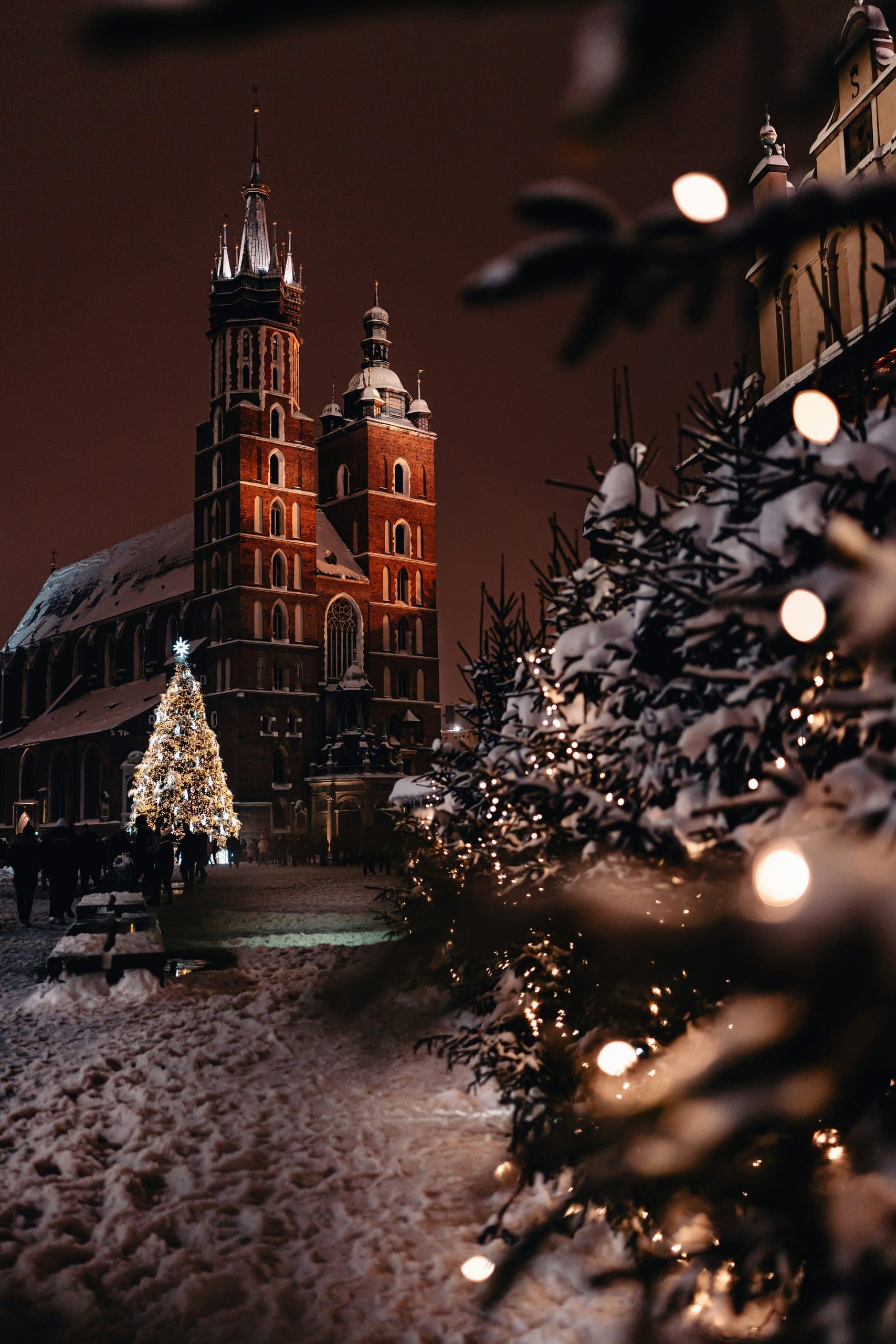
- Jüdischer Friedhof Okopowa-Straße
- Fahrt südwärts nach Kraków
- Einchecken in der Szeroka-Straße, Kazimierz
Kazimierz im Detail
Ein voller Tag durch Kazimierz mit Ihrem Historiker: die sieben erhaltenen Synagogen, der Remuh-Friedhof mit seinem Ohel und die Innenhöfe und Gassen, die einst eine der bedeutendsten jüdischen Gemeinden Mitteleuropas beherbergten. Ein Abendessen in Kazimierz schließt den Tag.
Den ganzen Tag lesen
Der heutige Tag gehört ganz Kazimierz. Krakóws historisches jüdisches Viertel beherbergte fünf Jahrhunderte lang eine der bedeutendsten jüdischen Gemeinden Mitteleuropas, und anders als das Warschauer Ghettoviertel ist ein Großteil seiner physischen Substanz erhalten geblieben. Mit Ihrem Historiker durchqueren Sie seine sieben erhaltenen Synagogen, darunter die Alte Synagoge, die älteste Polens, und die Remuh-Synagoge mit ihrem angrenzenden Friedhof, dessen Grabsteine aus dem 16. Jahrhundert und der Ohel von Rabbi Moses Isserles teilweise erhalten blieben, weil sie während des Krieges unter Schutt und Erde begraben und erst danach wiederentdeckt wurden. Sie bewegen sich im Gehtempo durch die stillen Innenhöfe und Gassen des Viertels, und Ihr Historiker verwebt die Geschichte der Gemeinde von ihrer mittelalterlichen Gründung über ihre Blütezeit zwischen den Weltkriegen bis zum Ghetto, das die Nationalsozialisten kurze Zeit später jenseits des Flusses in Podgórze errichteten. Ein Abendessen in Kazimierz, in einem Restaurant, das die jüdischen kulinarischen Traditionen des Viertels pflegt, schließt den Tag.
- Sieben Synagogen von Kazimierz
- Remuh-Friedhof und Ohel
- Abendessen in Kazimierz
Auschwitz-Birkenau
Der Tag ist ausschließlich einem Besuch in Auschwitz-Birkenau vorbehalten. Innerhalb der Gedenkstätte wird der Besuch von einem autorisierten Auschwitz-Birkenau-Guide-Pädagogen geleitet; Ihr Reisehistoriker liefert davor und danach Kontext, in ungehetztem Tempo. Danach bleibt Zeit, innezuhalten, bevor es zurück nach Kraków geht. Nichts anderes ist geplant.
Den ganzen Tag lesen
Dieser Tag wird bewusst frei von allem anderen gehalten. Ihr Fahrer bringt Sie nach Oświęcim, rund anderthalb Stunden von Kraków entfernt. Innerhalb der Gedenkstätte wird der Besuch, wie an diesem Ort vorgeschrieben, von einem autorisierten Auschwitz-Birkenau-Guide-Pädagogen geleitet; Ihr Fachhistoriker reist mit, um vorab Kontext zu geben und danach das Gesehene zu besprechen, damit der Tag dieselbe Tiefe trägt wie der Rest der Reise. Der Besuch umfasst sowohl das ursprüngliche Lager Auschwitz I als auch das viel größere nahegelegene Birkenau und nimmt den größten Teil des Tages in Anspruch. Für den darauffolgenden Nachmittag und Abend ist nichts geplant: Sie kehren nach Kraków zurück mit Zeit, um still zu sein, zu sprechen oder allein zu sein, ganz wie es passt. Ihr Historiker steht weiterhin zur Verfügung, wenn Sie über das Gesehene sprechen möchten, aber nichts weiter ist vorgesehen.
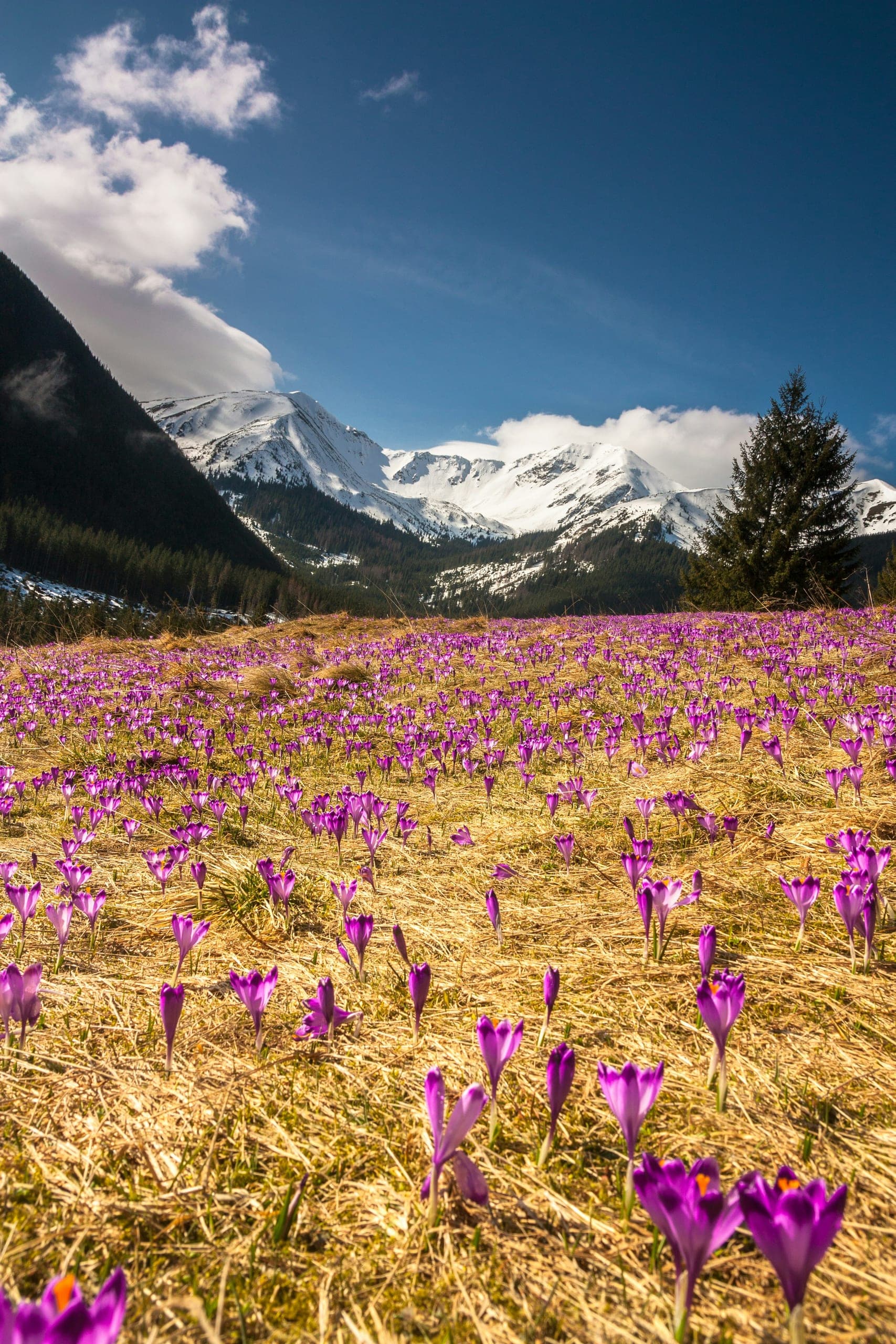
- Geleitet von einem autorisierten Gedenkstätten-Guide
- Auschwitz I und Birkenau
- Keine weitere Aktivität geplant
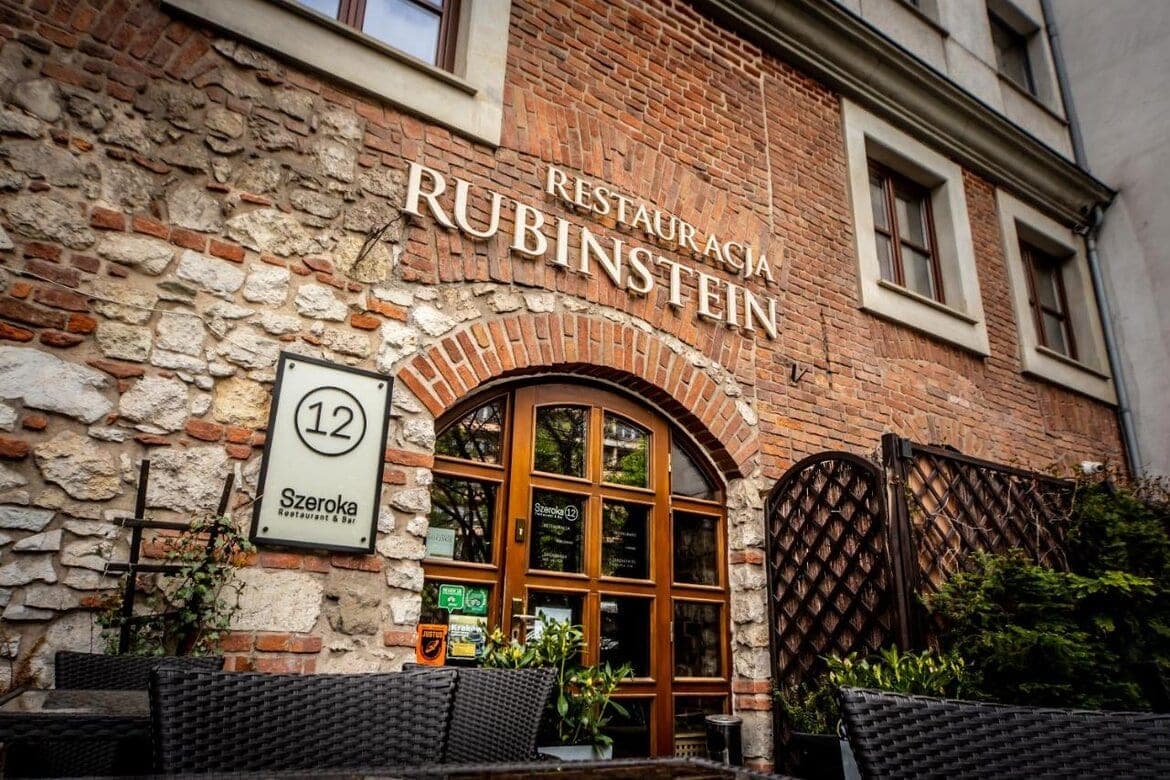
Hotel Rubinstein
Dritte Nacht in der Szeroka-Straße.
Bis zum Eingang Ihrer Anzahlung ist dieses Hotel optioniert, nicht gebucht. Ist es dann vergeben, ersetzen wir es durch ein gleichwertiges oder besseres und sagen Ihnen vorher Bescheid.
Das Galizien-Museum, Abreise
Ein ruhigerer letzter Morgen im Galizien-Jüdischen Museum, einer Foto- und Dokumentarsammlung, die um das aufgebaut ist, was erhalten geblieben ist, statt um das, was zerstört wurde. Ein Abschlussessen in Kazimierz, dann bringt Sie Ihr Fahrer zum Flughafen Kraków.
Den ganzen Tag lesen
Nach dem gestrigen Tag ist der heutige bewusst leichter gestaltet. Ihr Historiker bringt Sie zum Galizien-Jüdischen Museum, wenige Gehminuten von Ihrem Hotel entfernt, dessen Dauerausstellung ein fotografisches Zeugnis dessen ist, was von jüdischem Leben im südlichen Polen heute erhalten geblieben ist: stehende Synagogen, Friedhöfe und die Spuren, die noch in kleinen Städten sichtbar sind, statt einer erneuten Erzählung der Zerstörung. Es ist ein bewusst anderes Register als Auschwitz-Birkenau, aufgebaut um Kontinuität und das, was noch zu finden ist, statt um Abwesenheit. Danach setzen Sie sich zu einem Abschlussessen in Kazimierz, eine Gelegenheit, die Reise als Ganzes mit Ihrem Historiker zu besprechen, bevor Ihr Fahrer Sie zum Flughafen Kraków (KRK) zur Abreise bringt.
- Galizien-Jüdisches Museum
- Abschlussessen in Kazimierz
- Transfer zum KRK
Ihr Angebot anfordern.
Nennen Sie uns Ihre Termine und Gruppengröße. Wir melden uns innerhalb eines Werktags, eine private, vollständig kalkulierte Version von Jerusalem des Nordens folgt innerhalb von zwei.
innerhalb von zwei Werktagen
Preise in USD zur Orientierung. Abgerechnet wird in EUR.
- Private Reise: nur Ihre Gruppe, Ihr Tempo
- Flexible Termine, Abfahrten ganzjährig
- Für die Anfrage wird nichts berechnet
- Eine Anzahlung von $875 p. P. sichert Ihre Termine
- Geschützt durch die EU-Pauschalreiserichtlinie
Preis nach Gruppengröße.
- Pro Person
- $4,844(≈ €4,140)
- Gesamt für 2
- $9,688(≈ €8,280)
- Anzahlung zur Buchung
- $1,750(≈ €1,496)
- Restbetrag, 60 Tage vorher
- $7,937(≈ €6,784)
Berechnet aus denselben Pro-Person-Sätzen wie die Tabelle unten. Der endgültige Preis wird mit Ihrem Angebot bestätigt und ändert sich mit Terminen, Zimmerwahl und jedem Tag, den Sie anpassen. Abrechnung in EUR.
Preise pro Person nach Gruppengröße
Preise in USD zur Orientierung. Abgerechnet wird in EUR.
Was ist inbegriffen.
- 9 Nächte in 5★-Hotels und einem Boutiquehaus in Kazimierz
- Fachhistoriker für jüdisches Erbe und privater Fahrer während der gesamten Reise
- Vilnius-Gaon-Museum, Chorsynagoge, YIVO-Einführung
- Geführte Besuche in Paneriai und im Neunten Fort mit einem Fachhistoriker
- Ein voller halber Tag im POLIN mit einem POLIN-geschulten Guide
- Kazimierz zu Fuß: sieben Synagogen, der Remuh-Friedhof, das Galizien-Jüdische Museum
- Ein vollständig geführter Tag in Auschwitz-Birkenau, einschließlich Transport und Eintritt
- Alle Frühstücke und Eintrittsgelder
- Internationale Anreise nach Vilnius (VNO) / Abreise ab Kraków (KRK)
- Die meisten Mittagessen und mehrere Abendessen (kuratierte Auswahl)
- Reiseversicherung (verpflichtend)
- Trinkgeld für Guide und Fahrer (empfohlen 15 €/Tag pro Reisendem)
- Archivarische Recherche zu einer bestimmten Familienlinie (separat buchbar, siehe unten)