Poland,
the southern neighbour.
Medieval market squares, Tatra peaks, and a food culture that turns comfort into art. The natural extension south from Vilnius.
Poland, im Tempo einer langen Lektüre.
Poland is the largest country between Germany and the former Soviet Union, and its presence is felt in every direction: in Vilnius, where Polish was spoken for centuries; in Gdańsk, which shares the same amber coast as Lithuania; in the Tatra mountains, which form Europe's sharpest transition from lowland plain to alpine rock. For travellers coming south from the Baltics, the border crossing near Suwałki opens onto a country of a different scale, a different density, and a food tradition that ranges from Kraków's milk bars to some of the most ambitious new kitchens in central Europe.
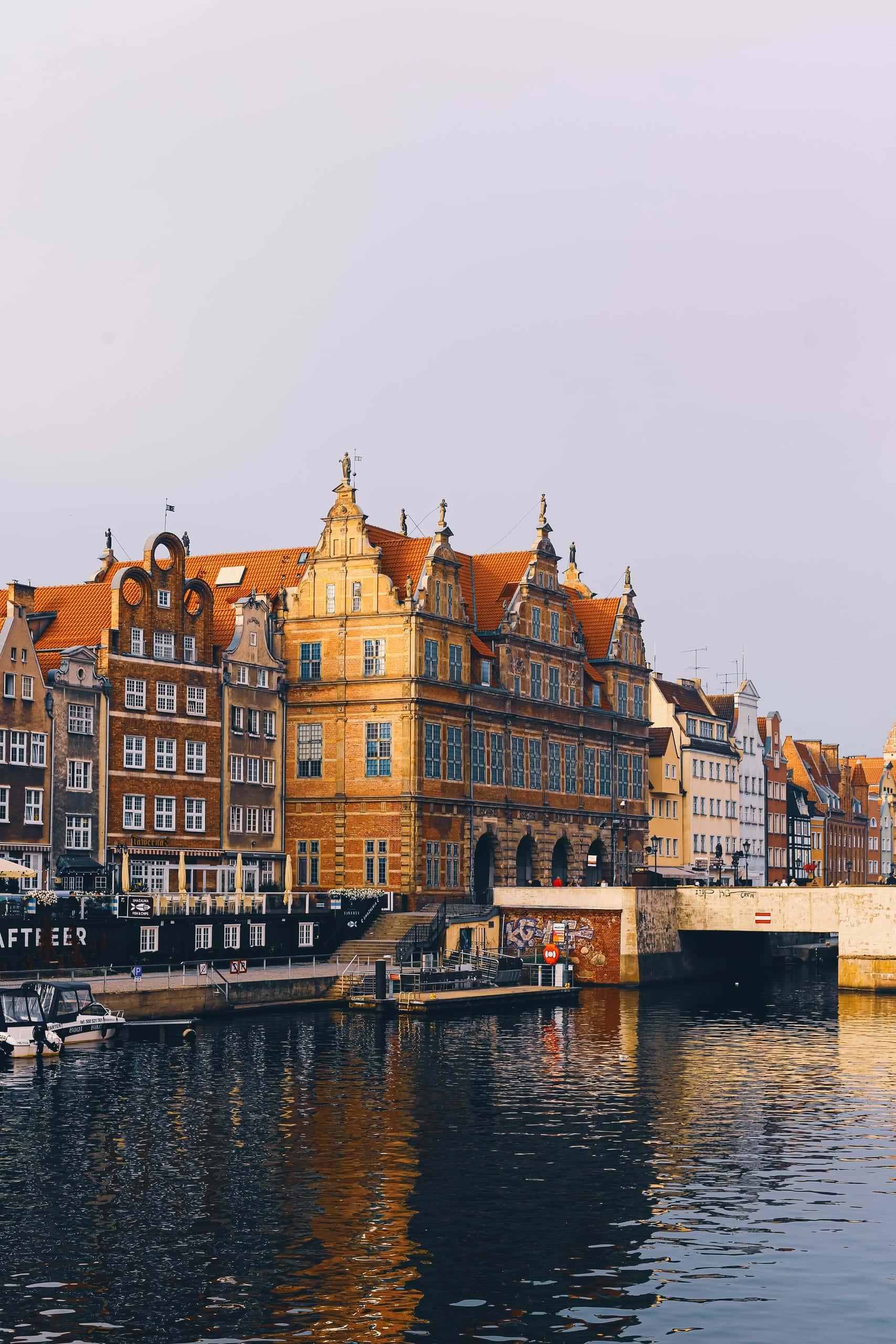
Three cities anchor the visitor's Poland. Warsaw, rebuilt from rubble after 1945, now one of Europe's fastest-moving capitals. Kraków, untouched by the war, with a medieval square and a Jewish quarter that still draws scholars and pilgrims. Gdańsk, the Baltic port where Solidarity began, with painted merchant houses along the Motława and the world's largest brick church behind them. Between the three, the country unfolds in farmland, forest, and the occasional hilltop castle ruin.
- Capital
- Warsaw
- Population
- 38 million
- Area
- 312,700 km²
- UNESCO sites
- 17 cultural and natural
- Coastline
- 440 km on the Baltic
- EU member
- Since 2004
- Highest point
- Rysy, 2,499 m (Tatras)
- Forest cover
- 30% of land
Warum nach Poland.
Nicht die Postkarten. Die Gründe, aus denen unsere Guides, die hier leben, Ihnen ein Ticket buchen würden.
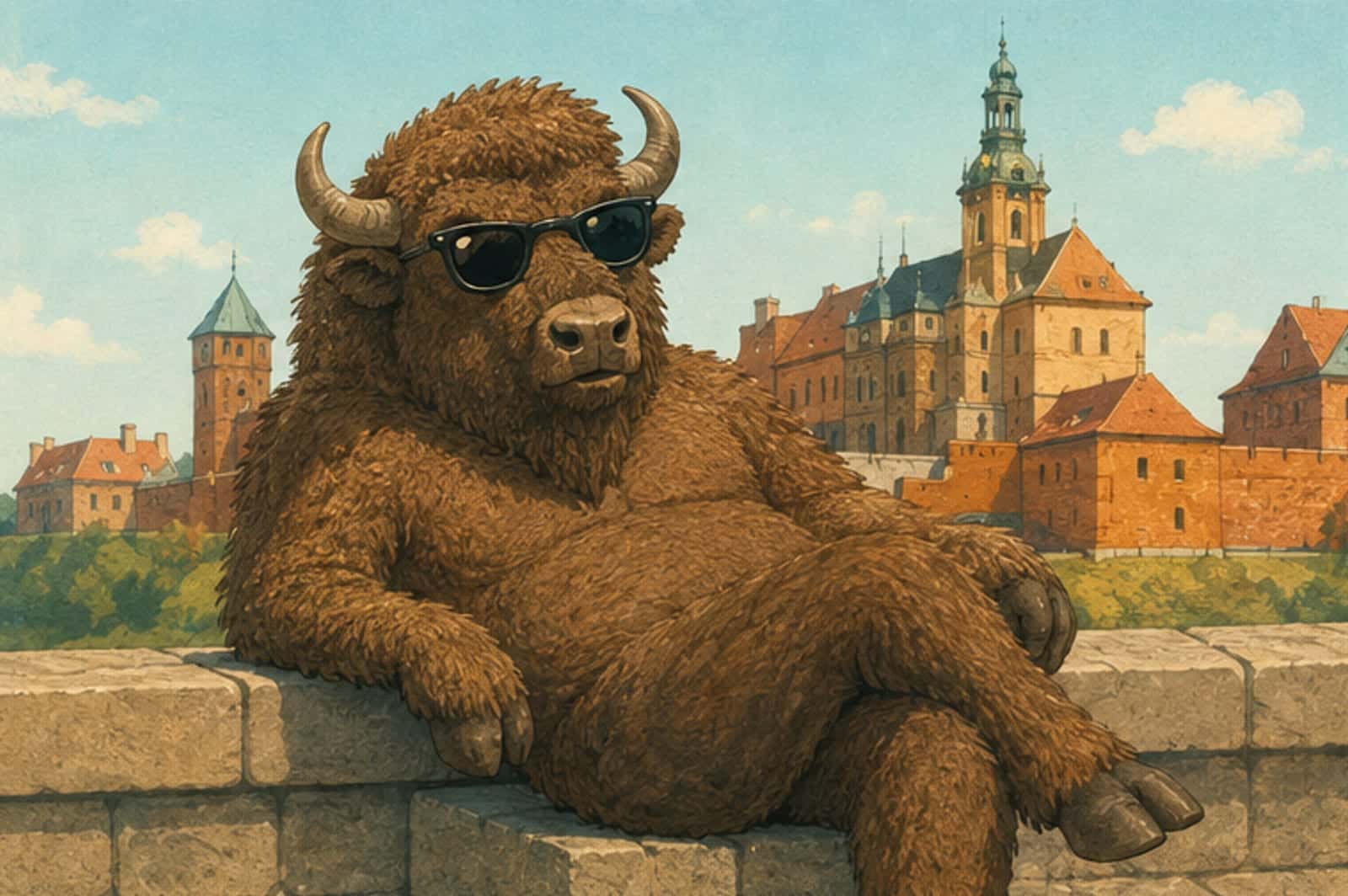
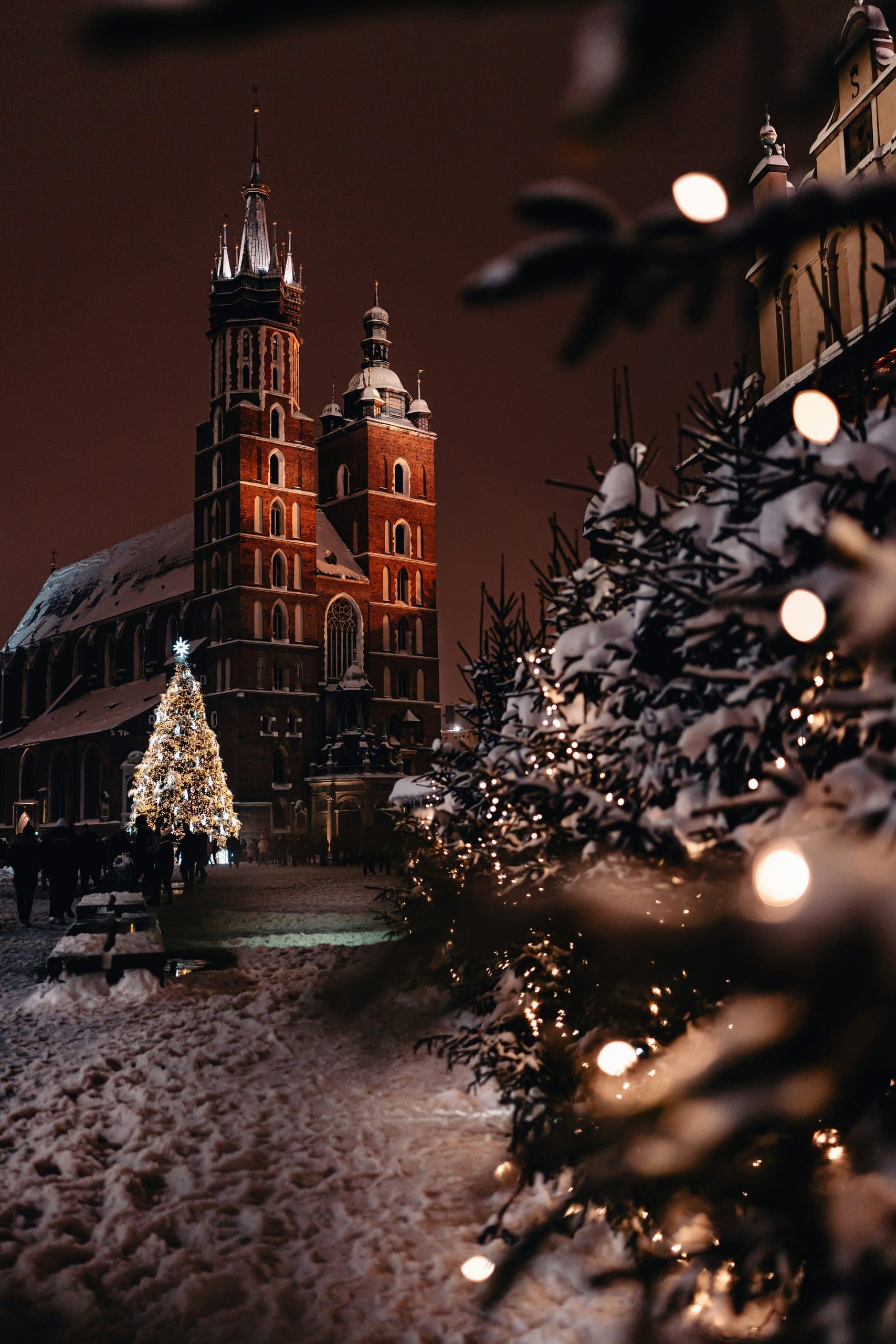
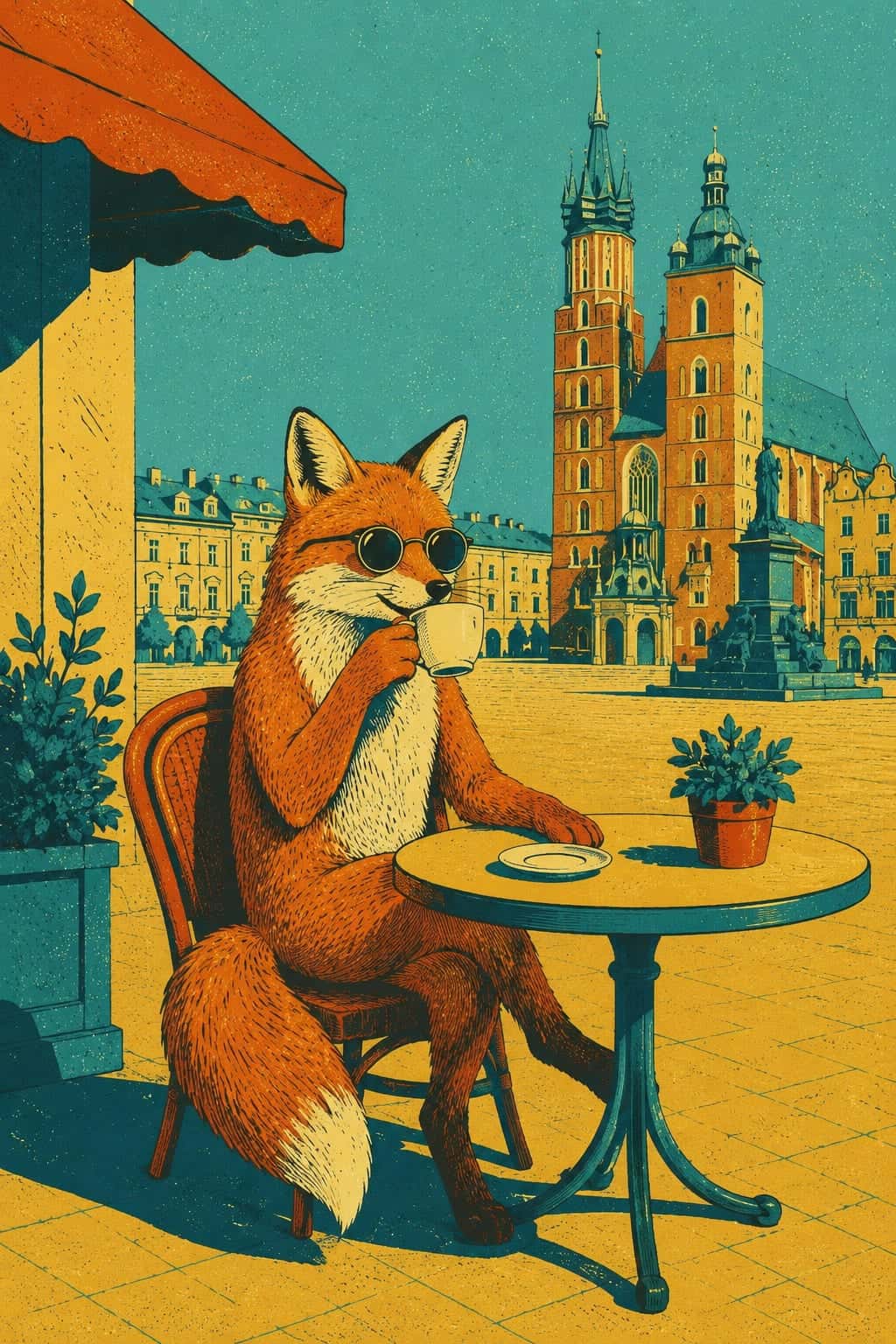
Kraków's Rynek Główny
The largest medieval market square in Europe, surrounded by merchant houses and anchored by the Cloth Hall and St Mary's Basilica. The trumpet call still sounds every hour from the tower.
Wieliczka Salt Mine
Nine floors underground, 700 years of continuous mining, and a cathedral carved from salt. The single most-visited site in Poland, and one of the few that earns the superlative.
Gdańsk, amber and Solidarity
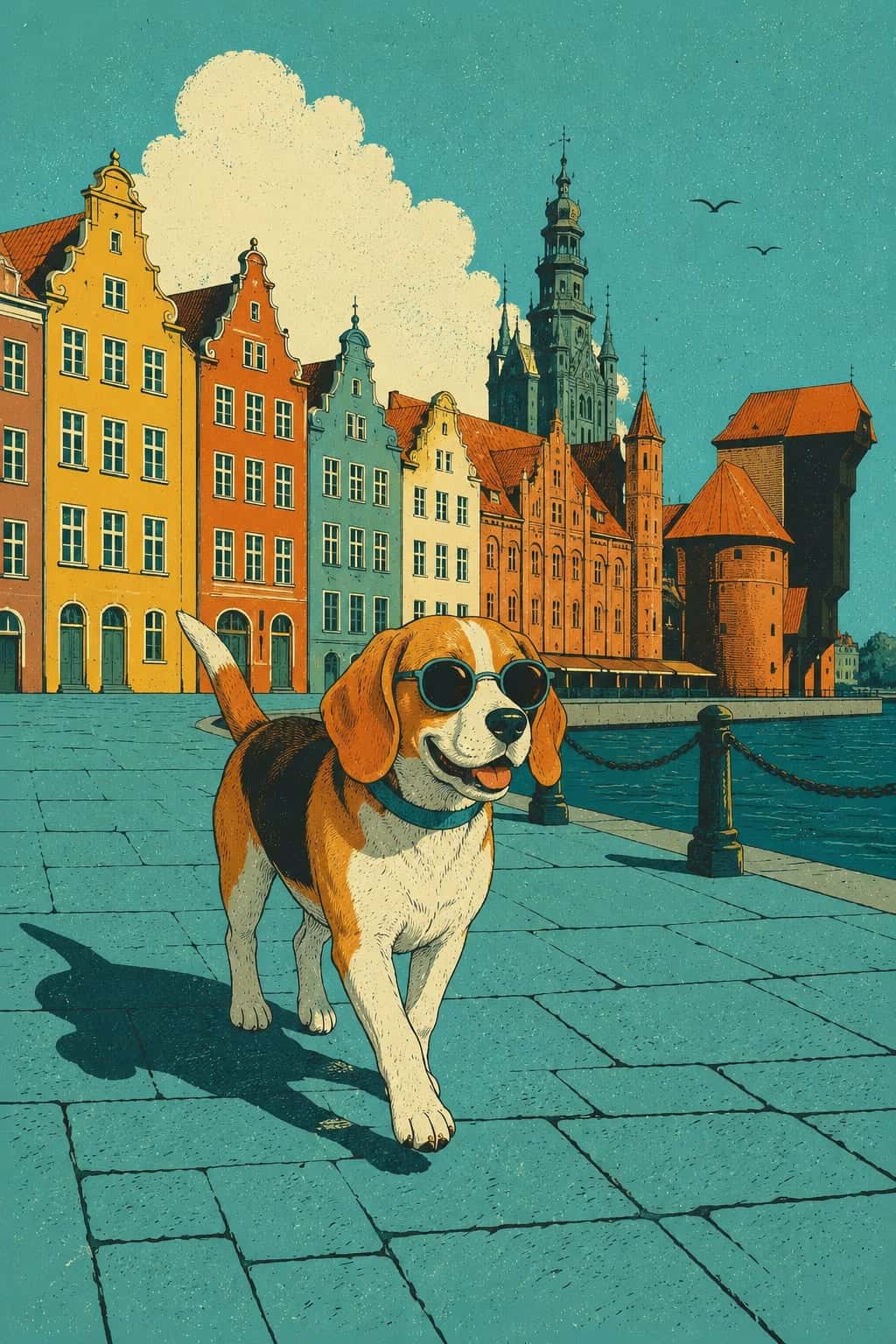
Painted merchant houses on the Motława, the world's largest brick church, and the European Solidarity Centre. The city where the movement that ended communist Europe began.
The Tatra Mountains
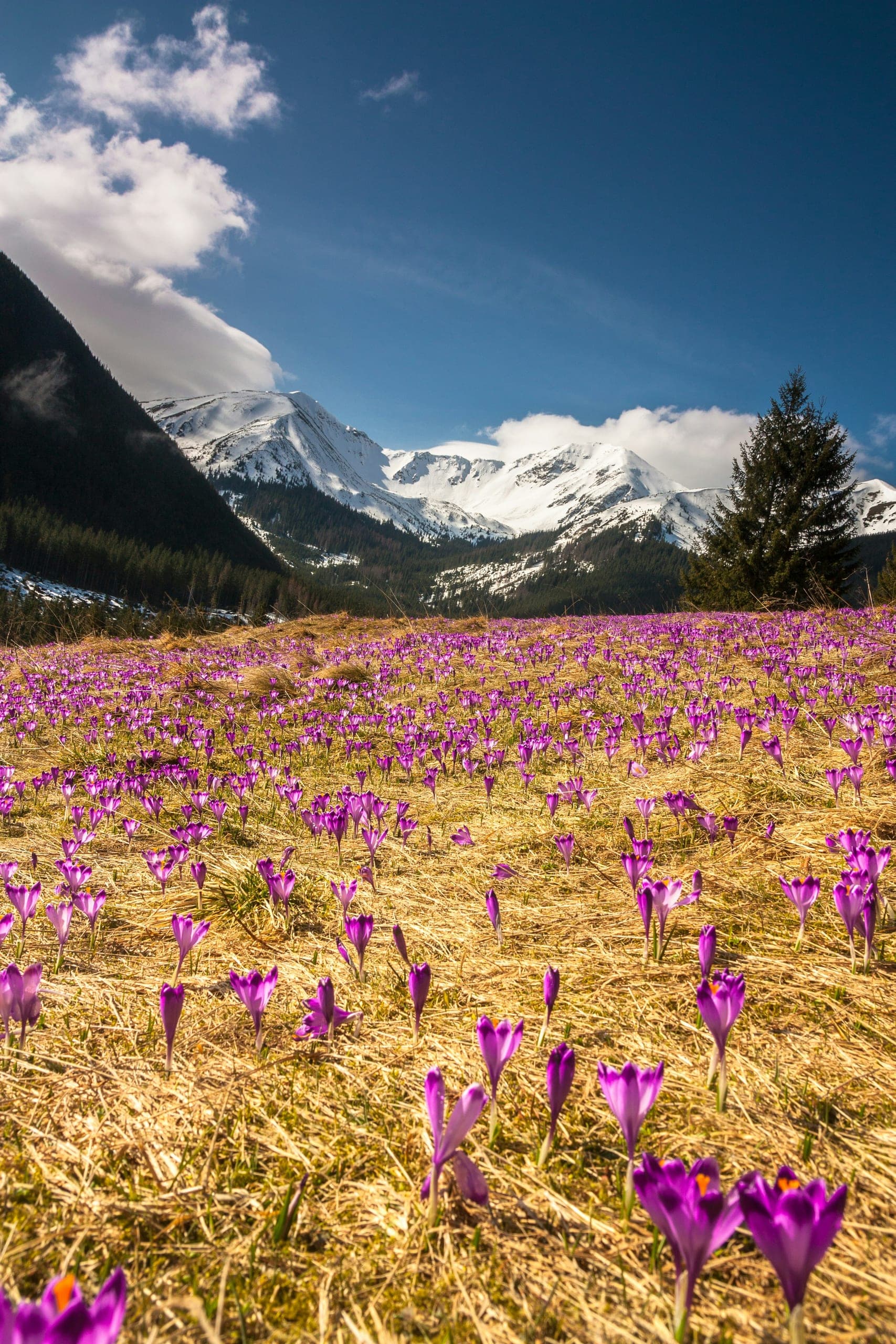
Two hours south of Kraków, the landscape lifts sharply into alpine peaks, pine valleys, and the wooden architecture of Zakopane. The only true mountains in the region.
Drei Regionen.
Von einem Ende zum anderen dauert eine Woche. Langsames Reisen innerhalb einer Region ebenso. Beides ist gut. Hier ist das Land in drei Dritteln.
Kraków & the south,
the medieval heartland.
The Old Town, the Jewish quarter of Kazimierz, the Wieliczka Salt Mine, and the Tatra foothills. Kraków is the anchor of most first visits, and it earns the time.
Warsaw & Masuria,
the rebuilt capital and the lake country.
Warsaw's painstakingly reconstructed Old Town (UNESCO since 1980), the POLIN museum, and north into the Masurian lake district, where a thousand lakes sit in glacial silence.
Gdańsk & the Baltic coast,
the amber shore.
The Tri-City (Gdańsk, Sopot, Gdynia) on the Baltic coast. Long sandy beaches, the Solidarity shipyards, and a merchant city whose painted facades rival Amsterdam's.
Pierogi, milk bars, and a new kitchen.
Polish food begins with pierogi (filled dumplings, boiled or fried), żurek (a sour rye soup with sausage and egg), barszcz (a clear beetroot broth), and the institution of the bar mleczny, the state-subsidised milk bar where a full lunch still costs under four euros. But the country has also undergone a quiet culinary revolution. In Kraków and Warsaw, a new generation of kitchens works with foraged mushrooms, heritage grains, and smoked trout from the Tatra streams. The food tradition runs deep and wide, from roadside oscypek (smoked sheep cheese, grilled over charcoal in the mountains) to the elaborate Sunday obiad that still anchors family life across the country.
The institution of the bar mleczny, the state-subsidised milk bar, where a full lunch still costs under four euros.
Wann reisen.
Fünf bernsteinfarbene Monate mit langem Licht und warmem Meer, vier blaue Monate der Dunkelheit und drei Übergangswochen an beiden Enden, die den Rest leise übertreffen.
Reisen, die hinführen.
Jede wird privat geführt, vom lokalen Team gestaltet und in jeder Woche der genannten Saison buchbar. Nutzen Sie sie als Ausgangspunkt: jede Route ist anpassbar.
Poland, good to know.
Wie viele Tage braucht man in Polen?
Drei bis vier Tage reichen für eine große Stadt: Krakau, Warschau oder Danzig. Eine Woche erlaubt die Kombination von zwei Städten mit einem Abstecher aufs Land, etwa in die Tatra oder zu den Masurischen Seen.
Wofür ist Polen am bekanntesten?
Krakaus mittelalterliche Altstadt, das Salzbergwerk Wieliczka, die wiederaufgebaute Warschauer Altstadt (gerade wegen des Wiederaufbaus UNESCO-Welterbe), Danzigs Bernsteintradition und die wilde Tatra entlang der slowakischen Grenze.
Wann ist die beste Reisezeit für Polen?
Mai bis September für warmes Wetter und Aktivitäten im Freien. Juni und September sind ideal: weniger Andrang als im Juli und August, lange Tage und angenehme Temperaturen zum Spazieren.
Kann man Polen mit dem Baltikum kombinieren?
Ja. Unsere grenzüberschreitende Tour von Vilnius nach Warschau verbindet beide Regionen in fünf Tagen. Wir organisieren auch direkte Transfers zwischen Vilnius und Warschau, Danzig oder Krakau.
Das Praktische.
Alles, was Sie sonst fragen müssten. Den Rest weiß Ihr Guide.
Cross south to Poland.
Vilnius to Warsaw is an overnight train or a four-hour drive. Kraków is a short flight from any Baltic capital. Add three to five days for one city, a week to connect two.