Stolica: Helsinki
Stolicą Finlandii jest Helsinki, nad Zatoką Fińską na południowym skraju kraju, zwrócone ku Tallinnowi przez wodę. Szybki prom między nimi zajmuje około dwóch godzin, co czyni Helsinki łatwym dodatkiem z Estonii, a oba miasta naturalną parą. Helsinki to miasto morza, zbudowane na skupisku półwyspów i wysp.
Słynie przede wszystkim z designu. Dzielnica Designu skupia galerie, pracownie i sklepy w kilku centralnych kwartałach, biblioteka centralna Oodi jest symbolem współczesnej architektury publicznej, a morska twierdza Suomenlinna, obiekt UNESCO rozrzucony na kilku wyspach, strzeże portu, krótki rejs promem od brzegu. Miasto nosi piętno Alvara Aalta i tradycji designu, która sięga od wzorów Marimekko po wyroby ze szkła.
Krajobraz: las, jeziora i tundry
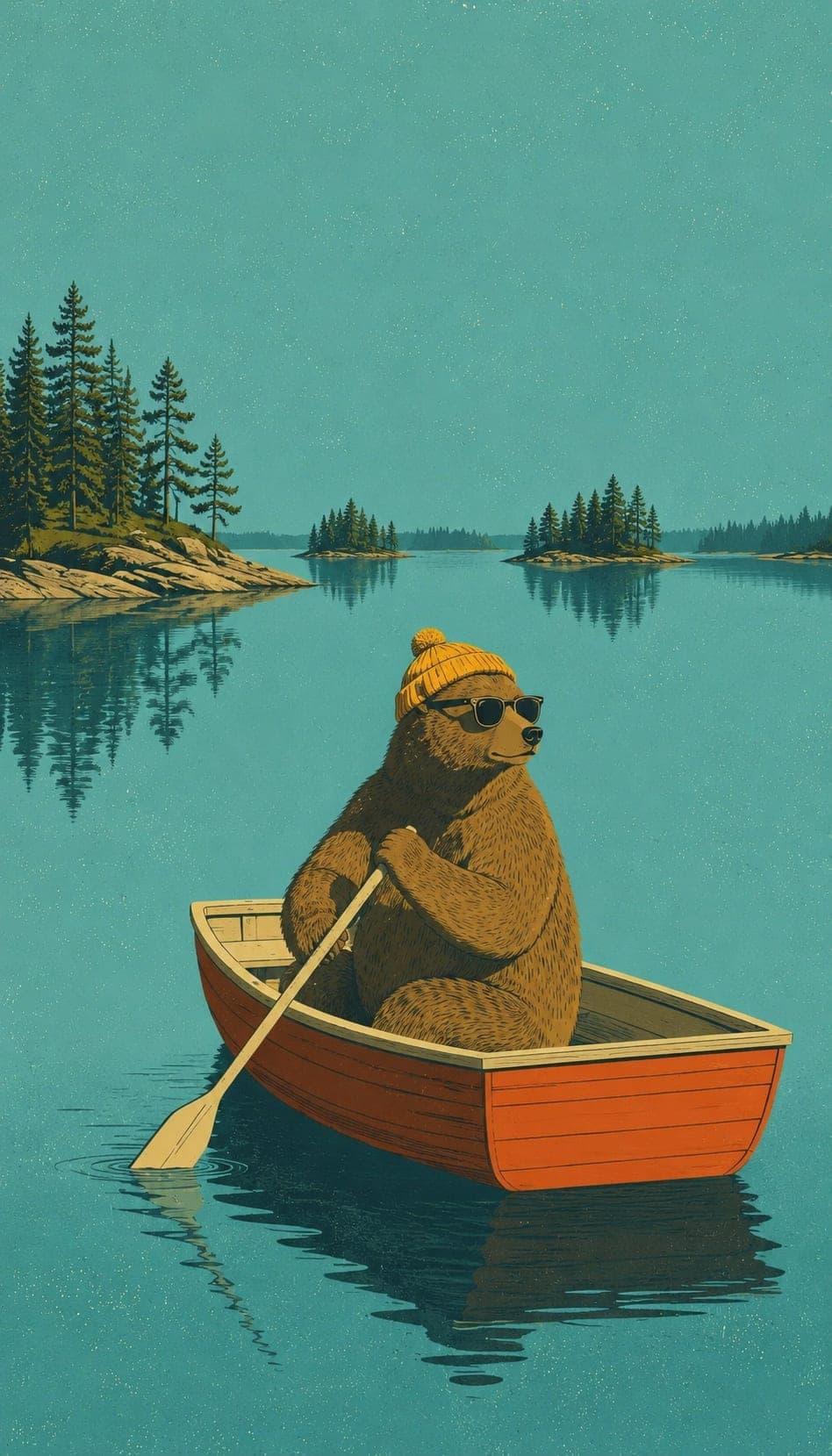
Finlandia jest najbardziej zalesionym krajem Europy: około 73 procent to lasy. To także, jak wiadomo, kraina jezior, jakieś 188 000 z nich, większość w południowej krainie jezior wokół Saimaa, największego jeziora kraju. Woda i drzewa definiują południe, poprzetykane domkami, w których Finowie spędzają lato.
Północ jest inna. Laponia jest arktyczna, miejscami powyżej granicy lasu, kraina otwartych tundr, niskich gór wygładzonych przez lód, z najwyższym punktem Halti sięgającym około 1300 metrów. To prawdziwe urzeźbienie terenu, nie płaska równina krajów bałtyckich na południu. Latem daleka północ widzi słońce o północy, tygodnie, gdy nigdy naprawdę nie zachodzi; zimą długi mrok przynosi zorzę polarną. U wybrzeży południowo-zachodnich leży jeszcze trzeci krajobraz, archipelag Turku, dziesiątki tysięcy wysp i szkierów.
Laponia i zorza polarna
Najbardziej wyróżniającą się częścią Finlandii jest Laponia, arktyczna północ, jedna trzecia kraju i dom niewielkiego ułamka jego mieszkańców. To kraina Saamów, rdzennego ludu europejskiej Arktyki, hodowli reniferów i otwartego krajobrazu tundr, który latem przyciąga wędrowców, a zimą łowców zorzy.
Bramą jest Rovaniemi na kole podbiegunowym, największe miasto regionu i reklamowany dom Świętego Mikołaja. Od późnej jesieni do wczesnej wiosny niebo nad Laponią niesie w pogodne noce zorzę polarną, a zima przynosi zaprzęgi husky i reniferów, skutery śnieżne oraz noce w szklanych igloo i lodowych hotelach. W pełni lata te same szerokości widzą słońce o północy, niemal całodobowe światło dnia.
Miasta i miejsca
Po Helsinkach miastem, które najbardziej warto poznać, jest Turku na południowym zachodzie, dawna stolica i najstarsze miasto kraju. Zachowuje średniowieczny zamek i katedrę oraz leży na skraju swojego rozległego archipelagu, dziesiątek tysięcy wysp ciągnących się ku Morzu Alandzkiemu. Tampere, w głębi lądu na północy, to największe miasto śródlądowe, dawne miasto fabryczne nad wodą między dwoma jeziorami.
Porvoo, godzinę na wschód od Helsinek, to malowane drewniane stare miasto nad rzeką, klasyczny krótki wypad ze stolicy. Rovaniemi jest bramą do Laponii na północy. A w głębi kraju rozłożone są miasta nad jeziorami, wśród nich Savonlinna z zamkiem na wyspie i letnim festiwalem operowym.
Z czego słynie Finlandia
Finlandia słynie najpierw z designu i z sauny. Design sięga tu głęboko, od architektury i mebli Alvara Aalta po wzory Marimekko, a sauna jest niemal narodową instytucją: w kraju jest więcej saun niż samochodów, a większość domów ma własną. Dalej są jeziora i Laponia z jej reniferami i zorzą polarną.
To także, jak Estonia po drugiej stronie zatoki, jedno z najbardziej cyfrowych i opartych na zaufaniu społeczeństw świata, miejsce, które działa cicho i sprawnie. Finowie znani są z pewnej powściągliwości i z pojęć, które trafiły za granicę, od sisu, upartej wytrwałości, po rytuał letniego domku nad jeziorem. Kraj niezmiennie plasuje się wśród najszczęśliwszych na ziemi.
Najlepszy czas na wyjazd
Finlandia ma dla odwiedzających dwie bardzo różne pory roku. Od czerwca do sierpnia trwa lato, gdy jeziora są dość ciepłe do kąpieli, promy do archipelagu kursują, a dni są długie. Na dalekiej północy słońce wokół przesilenia letniego wcale nie zachodzi przez wiele tygodni, słońce o północy, a nawet w Helsinkach światło pozostaje na niebie do wczesnych godzin porannych.
Od grudnia do marca trwa okno zimowe, przede wszystkim dla Laponii: zorza polarna w pogodne noce, śnieg dość głęboki na zaprzęgi husky i reniferów oraz okres świąteczny wokół Rovaniemi. Daleka północ jest wtedy ciemna i zimna, ale o to właśnie chodzi. Przejściowe miesiące wiosny i jesieni są spokojniejsze, z jesienną ruską, krótkim wybuchem barw nad Laponią we wrześniu, cichym faworytem.
- Jaka jest stolica Finlandii?
- Stolicą Finlandii jest Helsinki, nad Zatoką Fińską, zwrócone ku Tallinnowi. To miasto designu północy, leżące około dwóch godzin szybkim promem od Estonii, co czyni je łatwym dodatkiem do podróży po krajach bałtyckich.
- Z czego słynie Finlandia?
- Finlandia słynie z designu, od Alvara Aalta po Marimekko, z sauny, których jest więcej niż samochodów, ze swoich 188 000 jezior oraz z Laponii z jej reniferami, słońcem o północy i zorzą polarną. Podobnie jak Estonia jest jednym z najbardziej cyfrowych społeczeństw świata.
- Czy Finlandia ma góry?
- Finlandia nie ma wysokich alpejskich szczytów, ale jej północ nie jest płaska: Laponia to kraina tundr, niskich gór wygładzonych przez lód, z najwyższym punktem Halti sięgającym około 1300 metrów. To prawdziwe urzeźbienie terenu, w odróżnieniu od płaskiej równiny bałtyckiej na południu.
- Gdzie w Finlandii można zobaczyć zorzę polarną?
- W Laponii, arktycznej północy, w pogodne noce mniej więcej od późnej jesieni do wczesnej wiosny. Rovaniemi na kole podbiegunowym jest zwykłą bramą, a zima przynosi też zaprzęgi husky i reniferów oraz szklane igloo zbudowane do obserwacji zorzy.
- Które miasta i miejsca warto odwiedzić?
- Najpierw Helsinki, dla dzielnicy designu, biblioteki Oodi i morskiej twierdzy Suomenlinna. Potem Turku, dawną stolicę, i jego archipelag; Porvoo, malowane drewniane stare miasto godzinę na wschód; oraz Rovaniemi, bramę do Laponii na północy.
- Kiedy jest najlepszy czas na wyjazd?
- Od czerwca do sierpnia na białe noce i słońce o północy, ciepłe jeziora i otwarty archipelag. Od grudnia do marca na Laponię, zorzę polarną, śnieg i okres świąteczny wokół Rovaniemi.
Masz jeszcze pytanie?
Zapytaj mały zespół, który organizuje te podróże. Odpowiada prawdziwa osoba, zwykle w ciągu jednego dnia roboczego.