Jewish Heritage Tour: Vilnius to Kraków
Remembrance travel, not sightseeing. Ten days from Vilnius to Kraków with a specialist Jewish-heritage historian, told plainly and at a pace built for silence where silence is needed.
- Private
- Semi-private
- Self-guided
The route.
- 1VilniusArrival, the old Jewish quarterBy car
- 2WarsawKaunas: the Ninth Fort & Sugihara House
- 3KrakówOkopowa cemetery, on to Kraków
Day by day.
Daylight is shown for a departure on 12 April, calculated for each day's own location. Ask us and we will run the figures for your dates.
Arrival, the old Jewish quarter
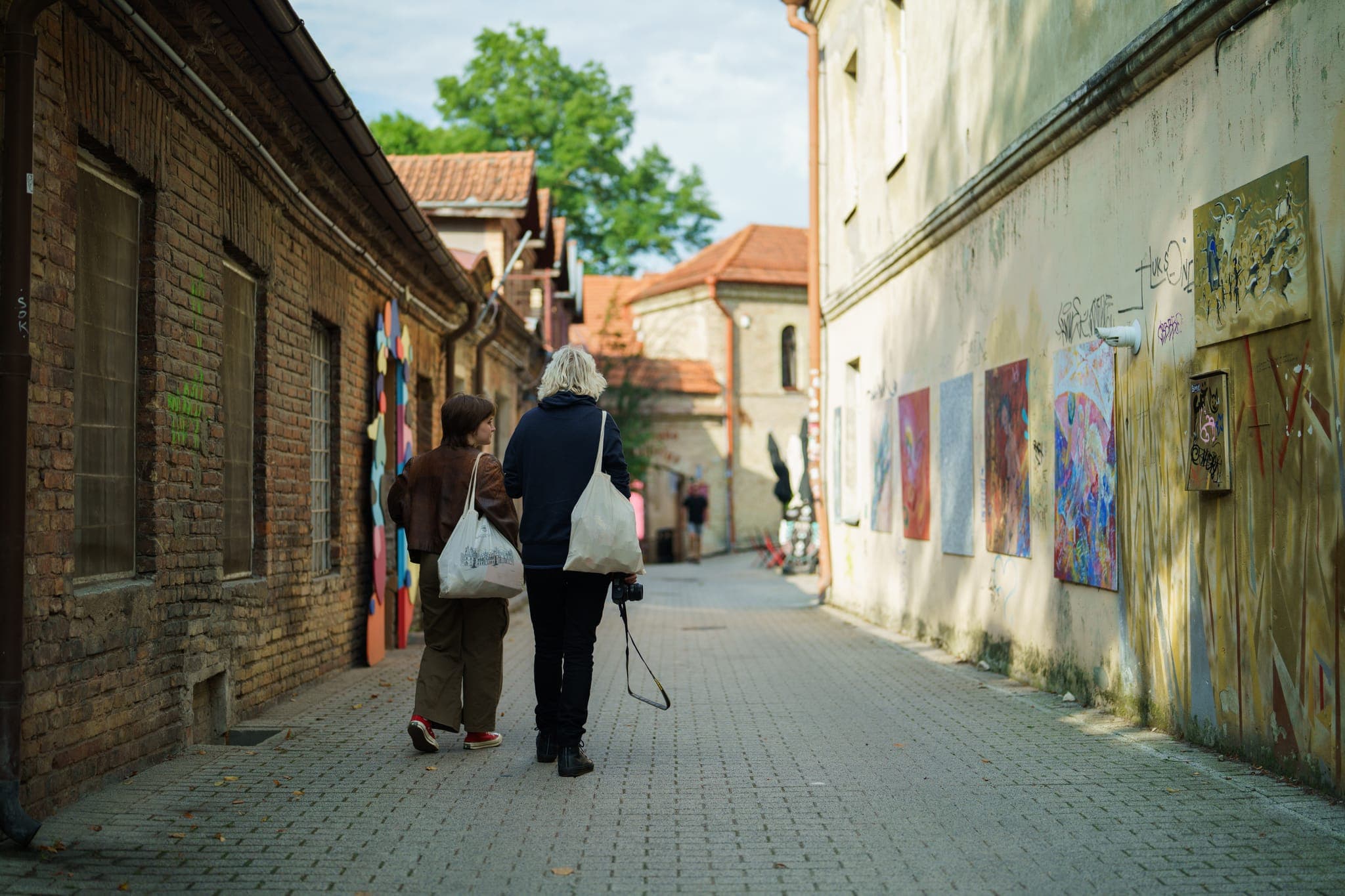
Your private chauffeur meets you at Vilnius airport (VNO) and drives you to the Grand Hotel Kempinski on Cathedral Square. Once you have settled in, your historian, a specialist in Lithuanian Jewish history who leads this route personally, walks you through the streets that formed the heart of the old Jewish quarter: Vokiečių, Žydų and Stiklių, where before 1941 the Vilna Gaon's Jerusalem of the North held more than a hundred synagogues, prayer houses and religious schools within a few square blocks. Almost none of the buildings survive in their original form, and your historian explains plainly what stood where, using photographs and prewar maps rather than reconstruction. The walk is unhurried and mostly on foot. A quiet dinner near the old quarter closes the evening.
- Transfer from VNO
- The former Jewish quarter on foot
- Historian-led orientation with prewar maps
The Vilna Gaon Museum & YIVO
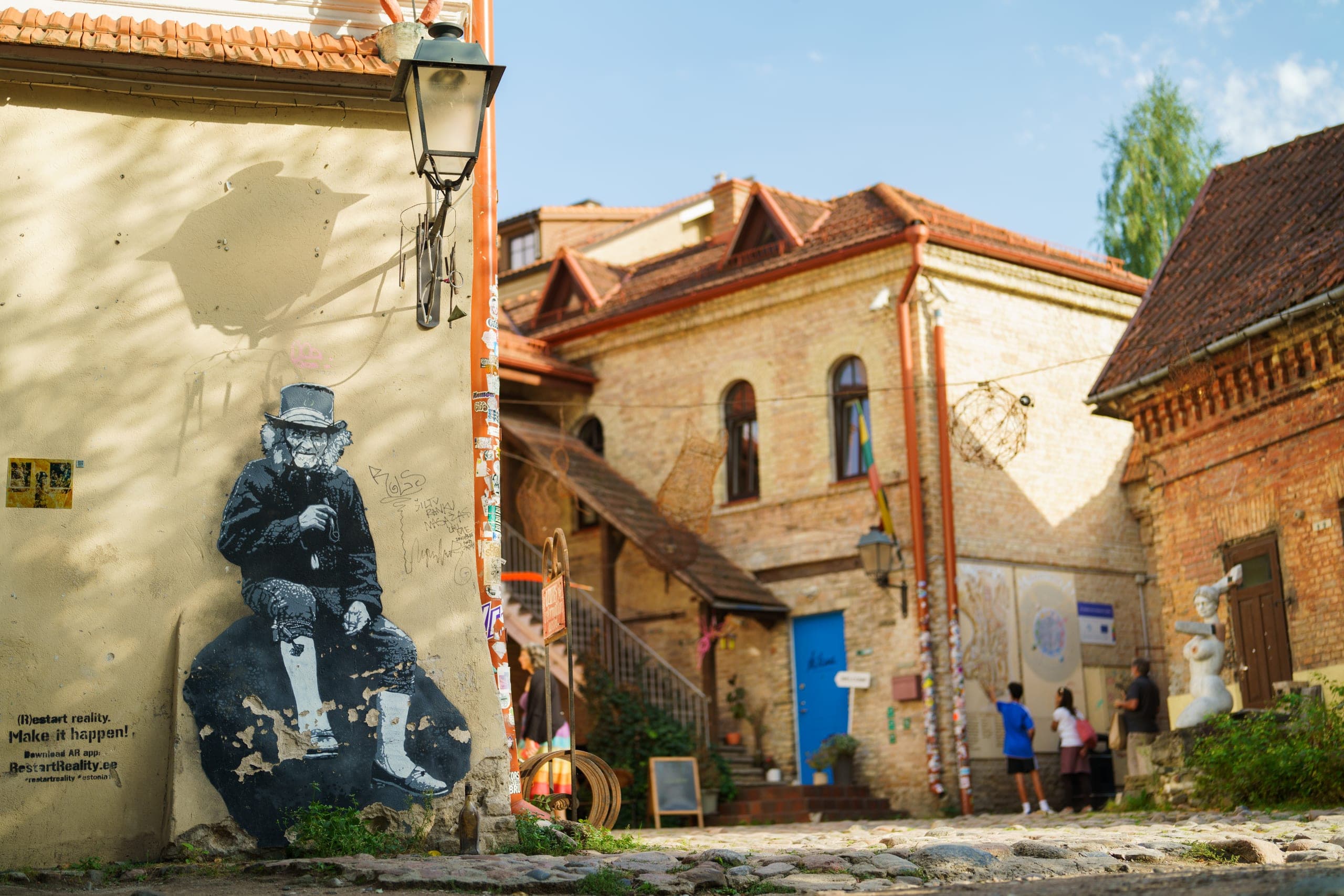
After breakfast your historian takes you to the Vilna Gaon Museum of Jewish History, the institution most directly responsible for keeping Vilnius's Jewish history documented and visible. You spend the morning through its collection at an unhurried pace, then walk the short distance to the archaeological site of the Great Synagogue, demolished after the war and only partly excavated: the shell of a school now stands over part of it, and your historian shows you what has been uncovered and what is still buried beneath the surrounding streets. In the afternoon you walk to Vivulskio street, where the original YIVO Institute for Jewish Research operated from 1925 until 1940, then the foremost center for Yiddish scholarship in the world. Your historian explains what YIVO was, why it moved to New York ahead of the occupation, and what became of the material that stayed behind. The evening is free.
- Vilna Gaon Museum of Jewish History
- Great Synagogue archaeological site
- Original YIVO institute, Vivulskio street
The Choral Synagogue, Paneriai
You begin the morning at the Choral Synagogue on Pylimo street, the only one of Vilnius's more than one hundred prewar synagogues that survived the war intact and remains in regular use. Your historian explains its architecture and the small, resilient community that maintains it today. In the afternoon your driver takes you a short distance outside the city to Paneriai, the forest where between 1941 and 1944 an estimated seventy thousand people, most of them Jews from Vilnius and the surrounding region, were killed. Your historian leads the visit deliberately slowly, at a pace built for silence rather than a checklist of facts, and does not rush you between the memorial markers and the pits. There is no set script for how long you stay. In the evening, subject to who is available and willing, we arrange time with members of Vilnius's present-day Jewish community, so the day does not close only on loss.
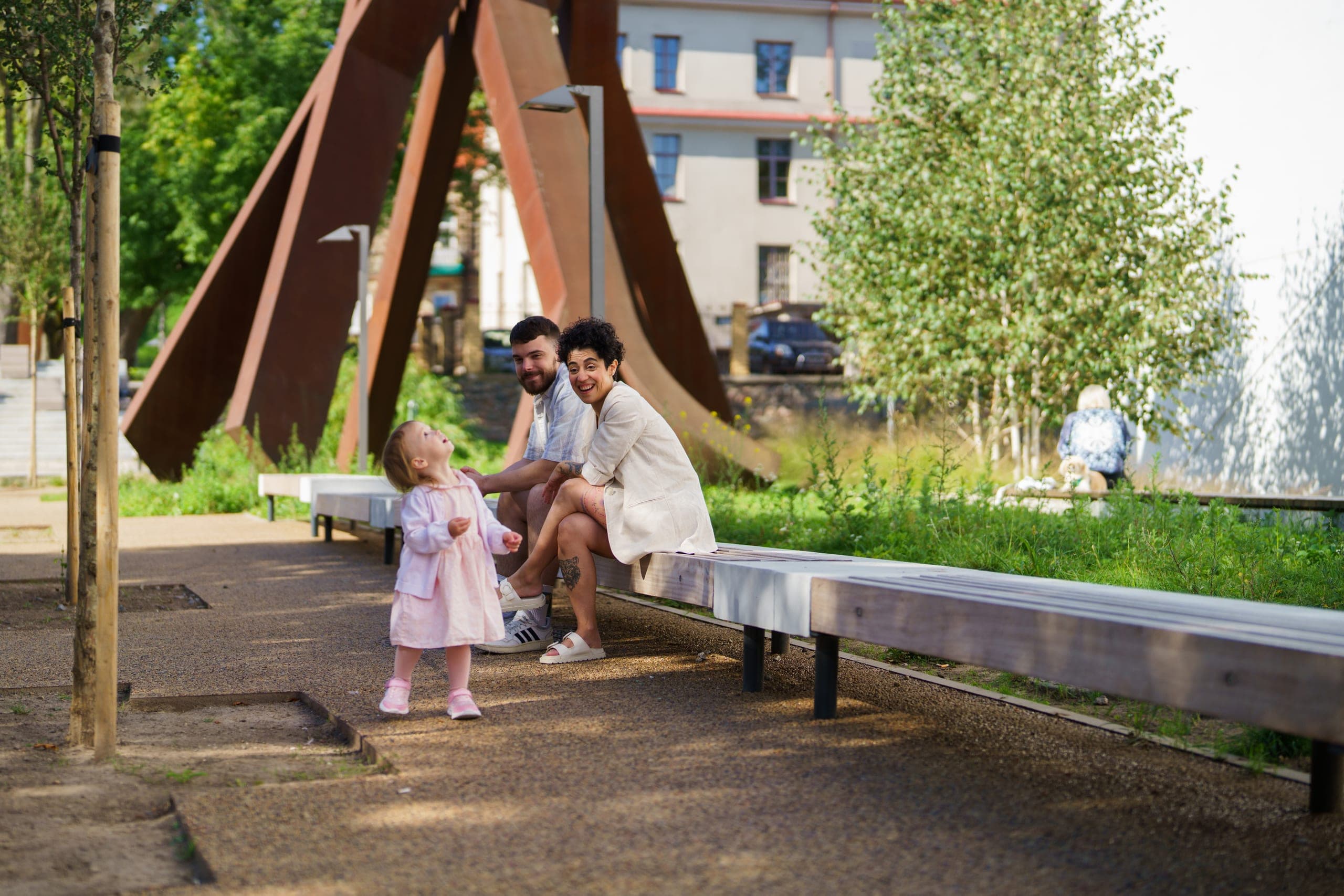
- Choral Synagogue, Pylimo street
- Paneriai memorial, unhurried
- Evening with the living community, where possible
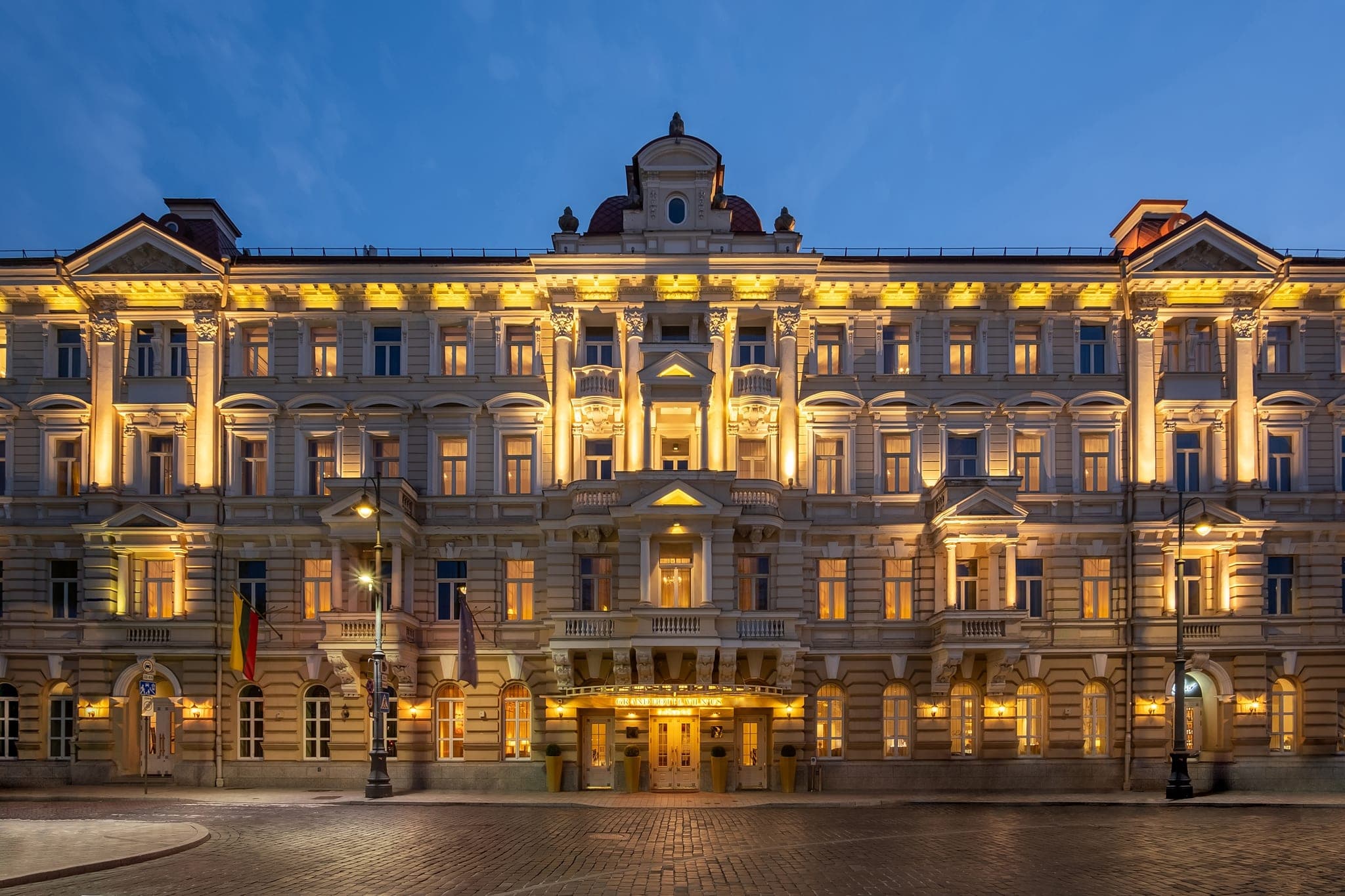 Photo: © Grand Hotel Vilnius, Curio Collection by Hilton
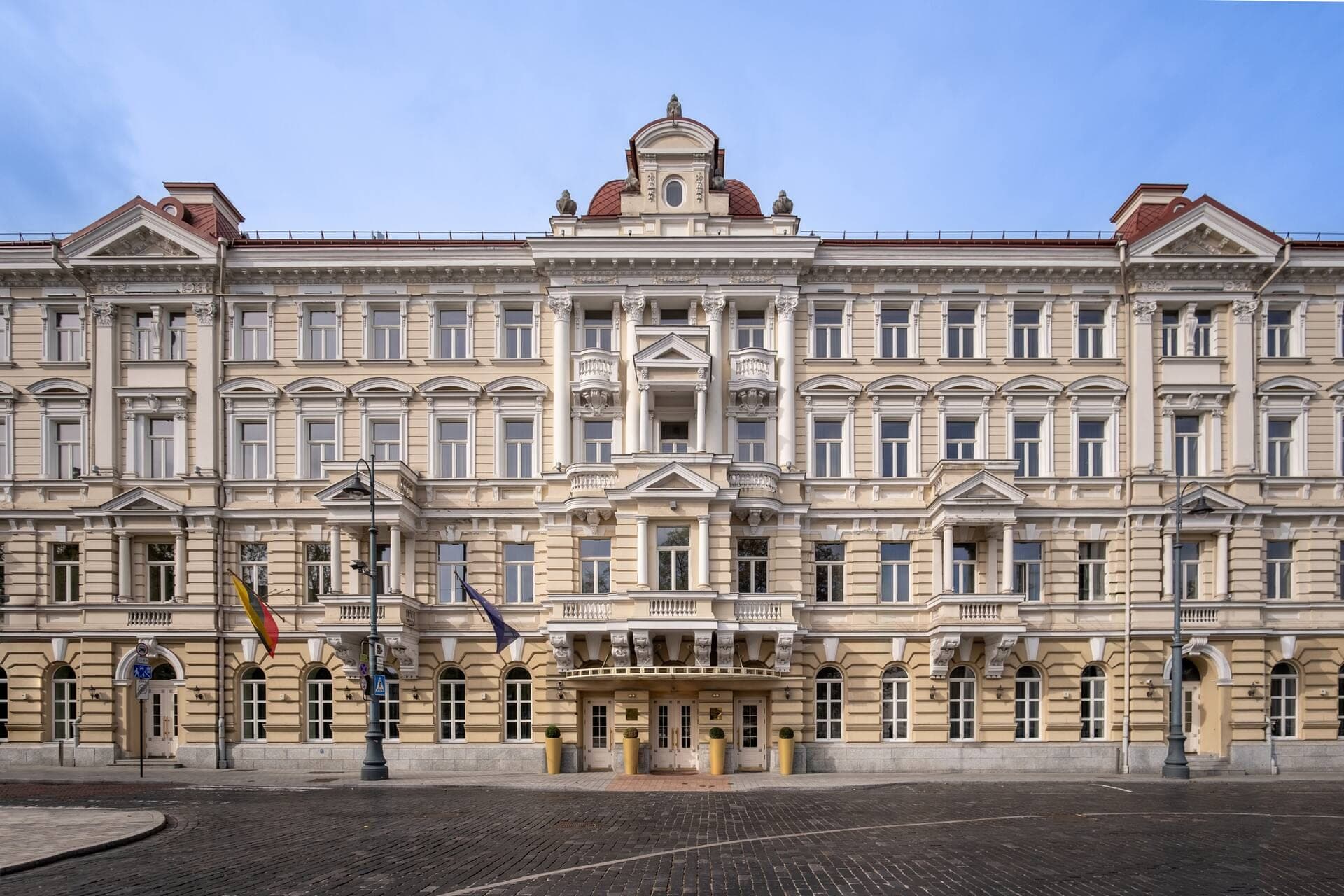
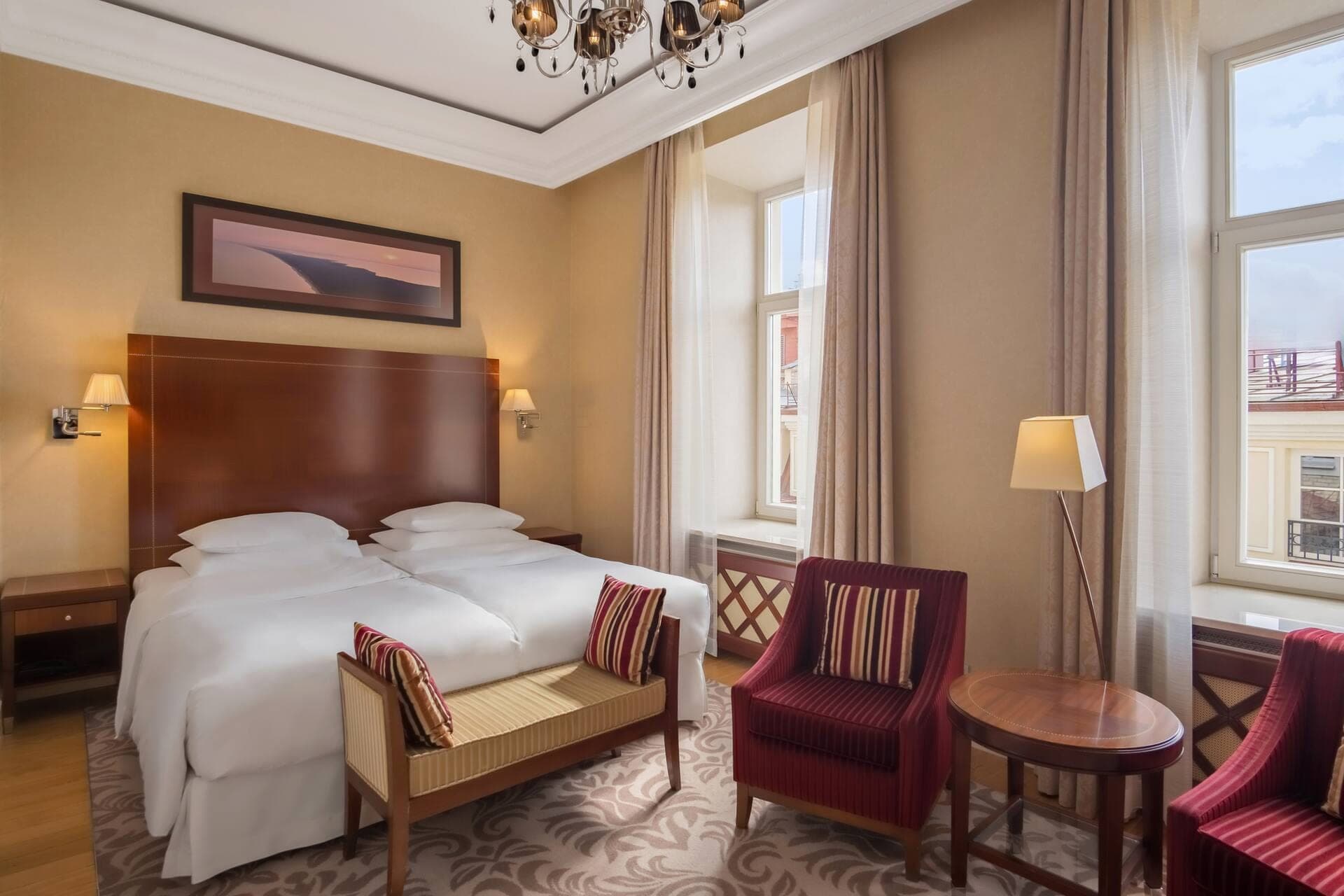
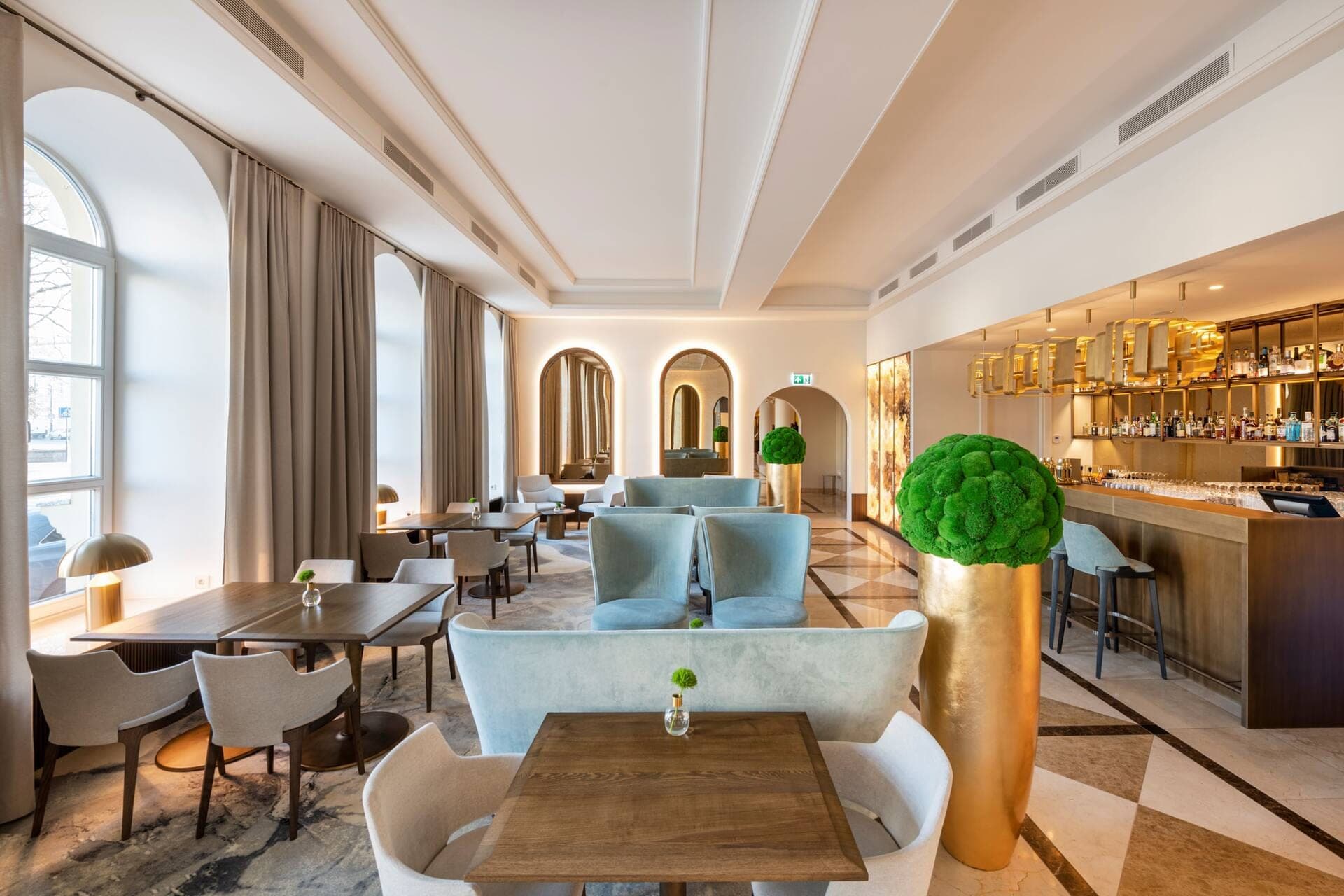
Grand Hotel Vilnius, Curio Collection by Hilton
Third night on Cathedral Square.
Held, not booked, until your deposit clears. If it is gone by then we substitute an equal or better hotel and tell you first.
Kaunas: the Ninth Fort & Sugihara House
After breakfast you leave Vilnius and drive to Kaunas, which briefly served as Lithuania's capital between the wars and held one of the region's largest and most established Jewish communities, known as Kovno. At the Ninth Fort your visit is led by one of the museum's own accredited guides, which is how the site asks its exhibitions to be walked, with your historian alongside you. The fort was built in 1913 as a defensive fortification, held prisoners as a branch of the Kaunas hard labour prison between the wars, and became a transfer point for NKVD prisoners under the first Soviet occupation. From the end of June 1941 it was a killing site, where approximately 50,000 people were murdered over three years, around 30,000 of them Jews, alongside Lithuanians, Poles, Russians and others. The museum on the site opened in 1959, and the memorial complex followed a few decades later. In the afternoon you visit the Sugihara House, the former Japanese consulate where, in the summer of 1940, the consul Chiune Sugihara defied his government's instructions and issued thousands of transit visas that allowed Jewish refugees to escape east through the Soviet Union and Japan. An interactive exhibition by the artist Jenny Kagan brings the story to life through sensitive visual interpretation and immersive storytelling. From Kaunas your driver continues the long drive west into Poland, arriving in Warsaw in the evening and checking you into the Hotel Bristol.
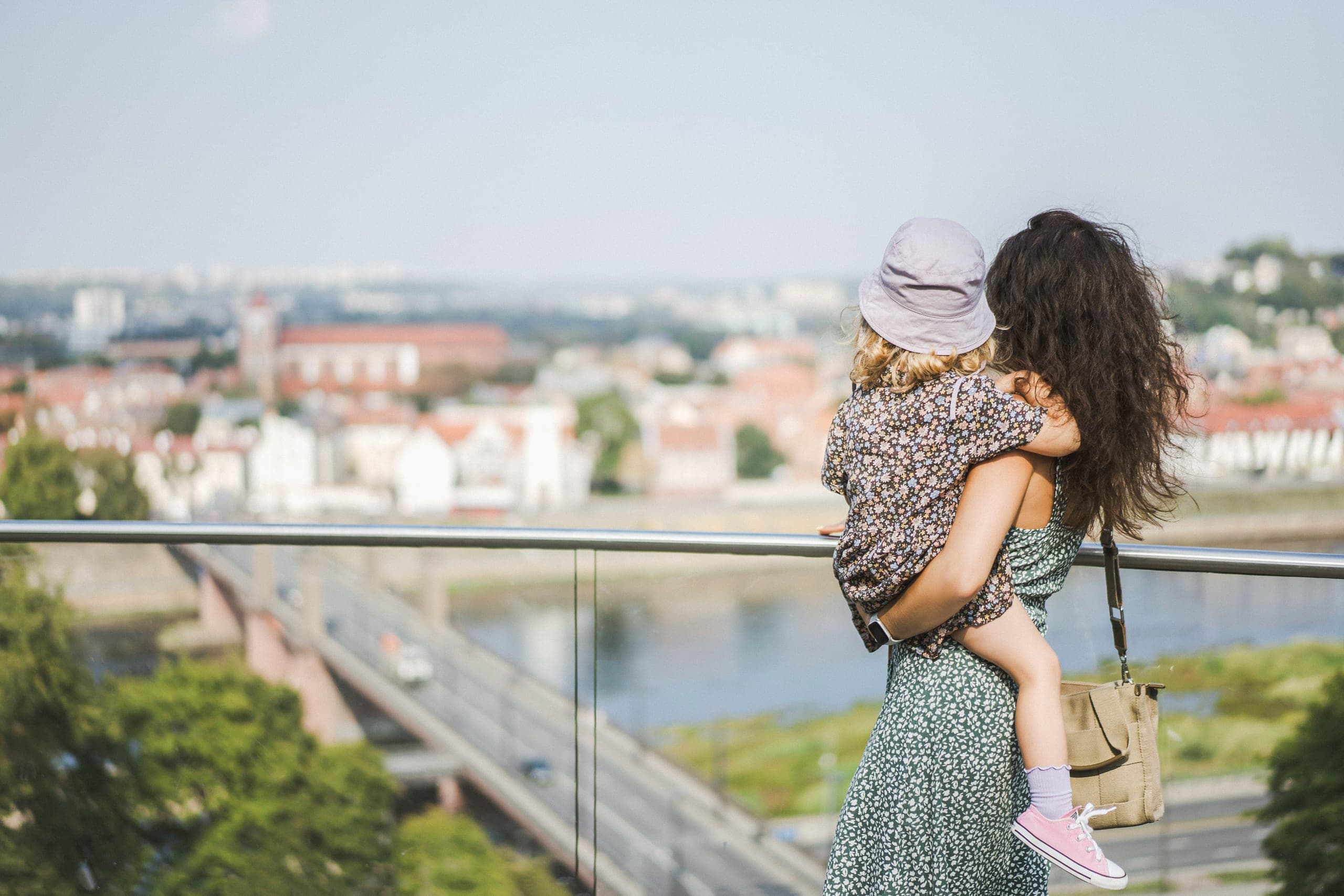
- Ninth Fort memorial and museum
- Sugihara House and the 1940 visas
- Long drive to Warsaw
POLIN, in full
Today is built around a single institution: the POLIN Museum of the History of Polish Jews, on the site of the former Warsaw Ghetto. POLIN's core exhibition covers a thousand years of Polish Jewish life, not only its destruction, and your guide, trained specifically for this museum, walks you through it at a pace that gives the earlier centuries their due before reaching the occupation and the ghetto uprising. We schedule a full half-day here at minimum, and often more; this is not a museum that rewards rushing. Directly outside stands the Monument to the Ghetto Heroes, where your guide closes the visit before you have the afternoon to yourselves, either to sit with what you have seen or to walk the Muranów district that grew up over the ghetto's ruins.
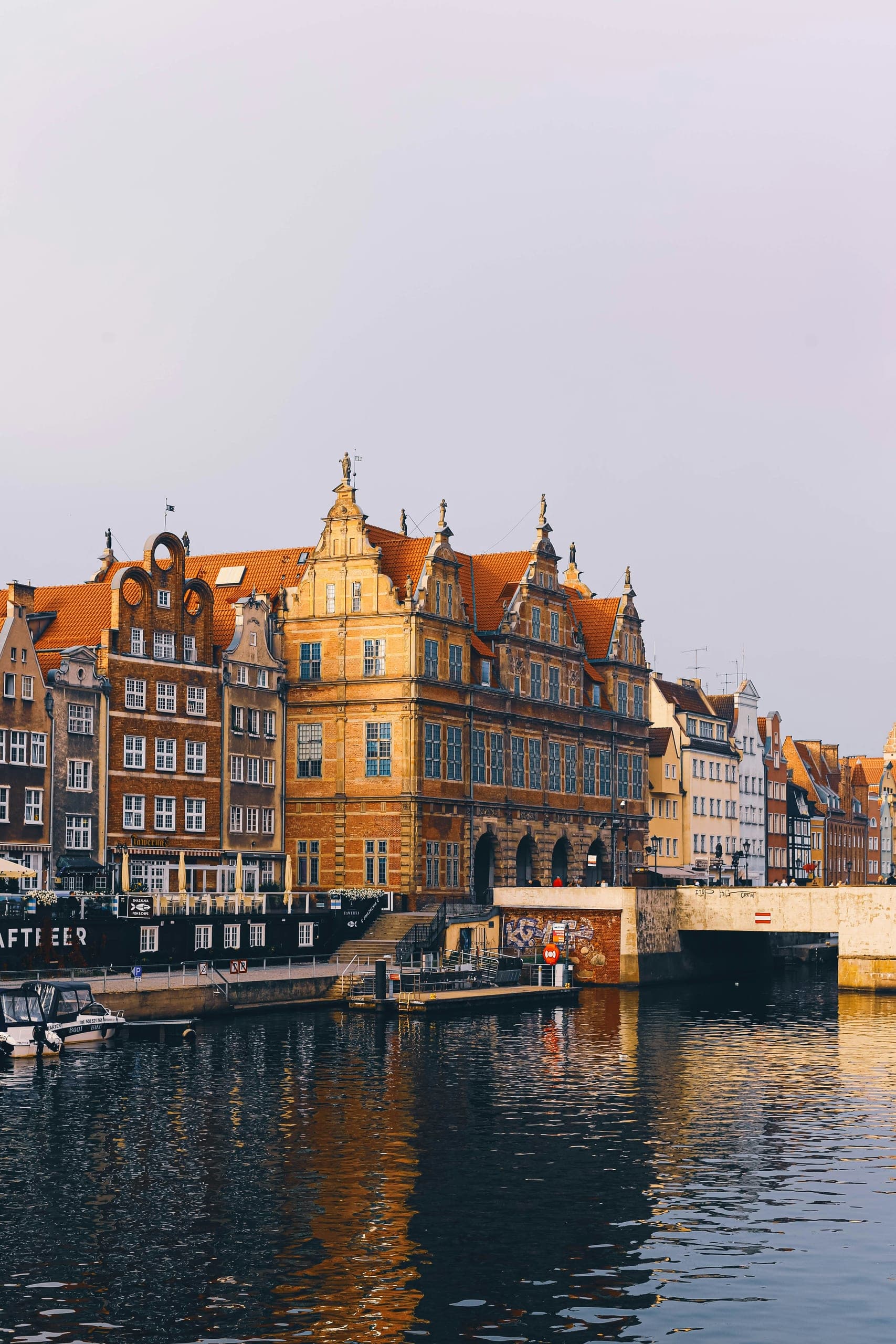
- POLIN Museum, full half-day minimum
- POLIN-trained guide
- Monument to the Ghetto Heroes
The ghetto boundary, Umschlagplatz, Nożyk
Almost nothing of the Warsaw Ghetto stands above ground today; the district was leveled after the 1943 uprising and rebuilt over its own ruins. Your historian instead traces its boundary on foot through the present-day streets, following a marked line of pavement plaques and stopping at the few genuine fragments of the ghetto wall that survive between apartment blocks and courtyards. The walk passes Umschlagplatz, the rail siding from which most of the ghetto's population was deported to Treblinka, now marked by a stone memorial gate. The day ends at the Nożyk Synagogue, built in 1902 and the only one of Warsaw's prewar synagogues still standing and in regular use, having survived the war as a stable for German horses. The evening is free.
- Former ghetto boundary on foot
- Umschlagplatz memorial
- Nożyk Synagogue
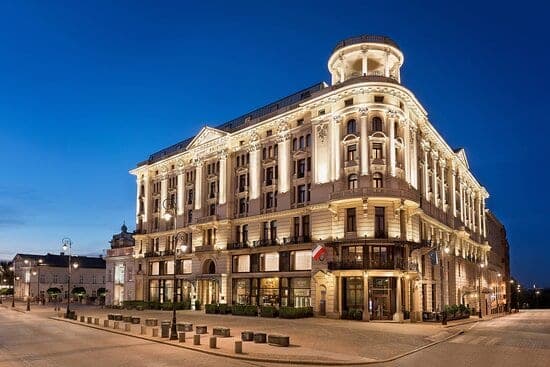 Photo: © Hotel Bristol, a Luxury Collection Hotel
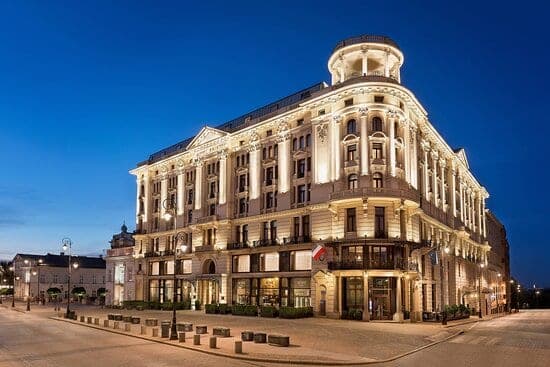
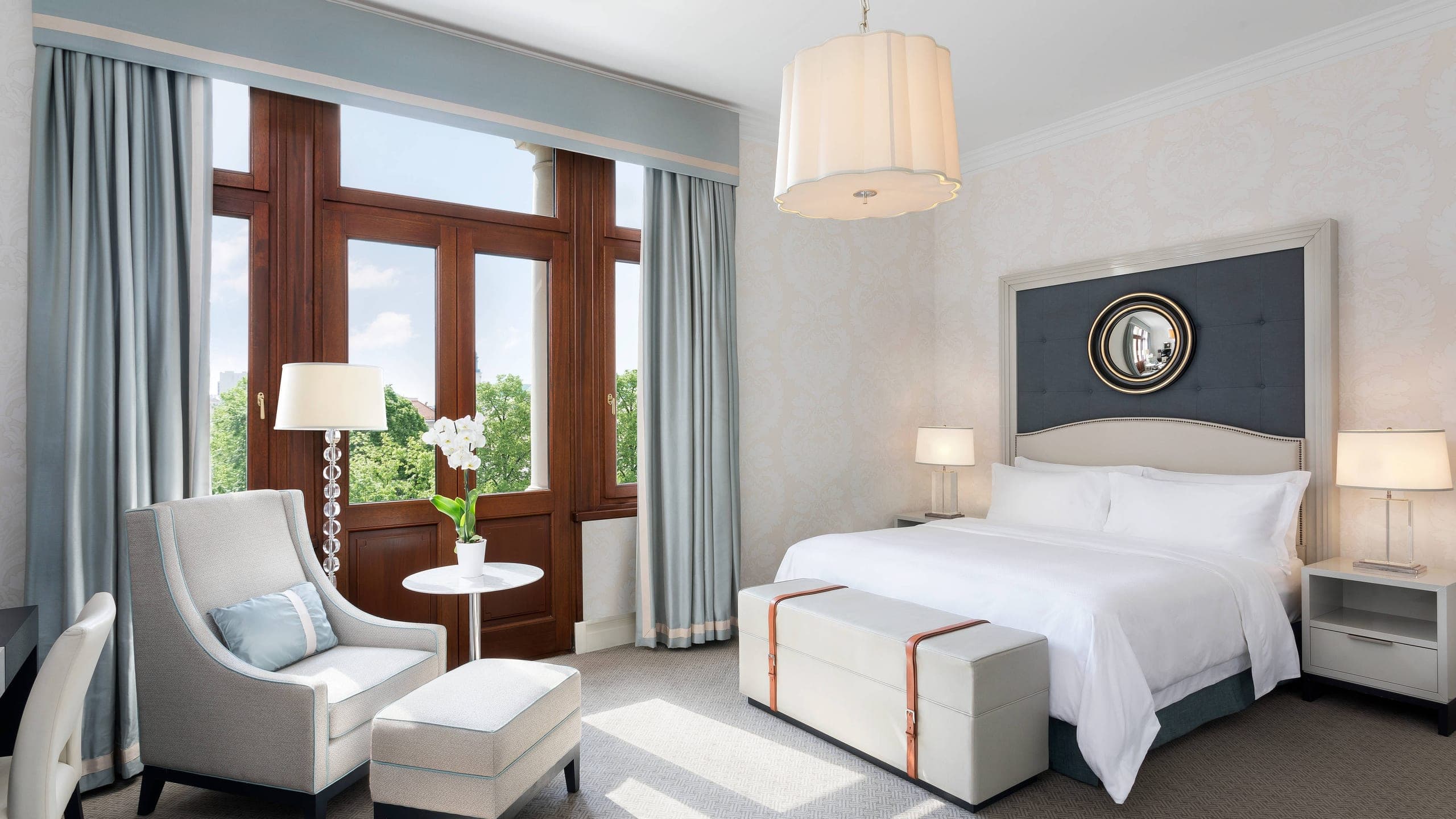
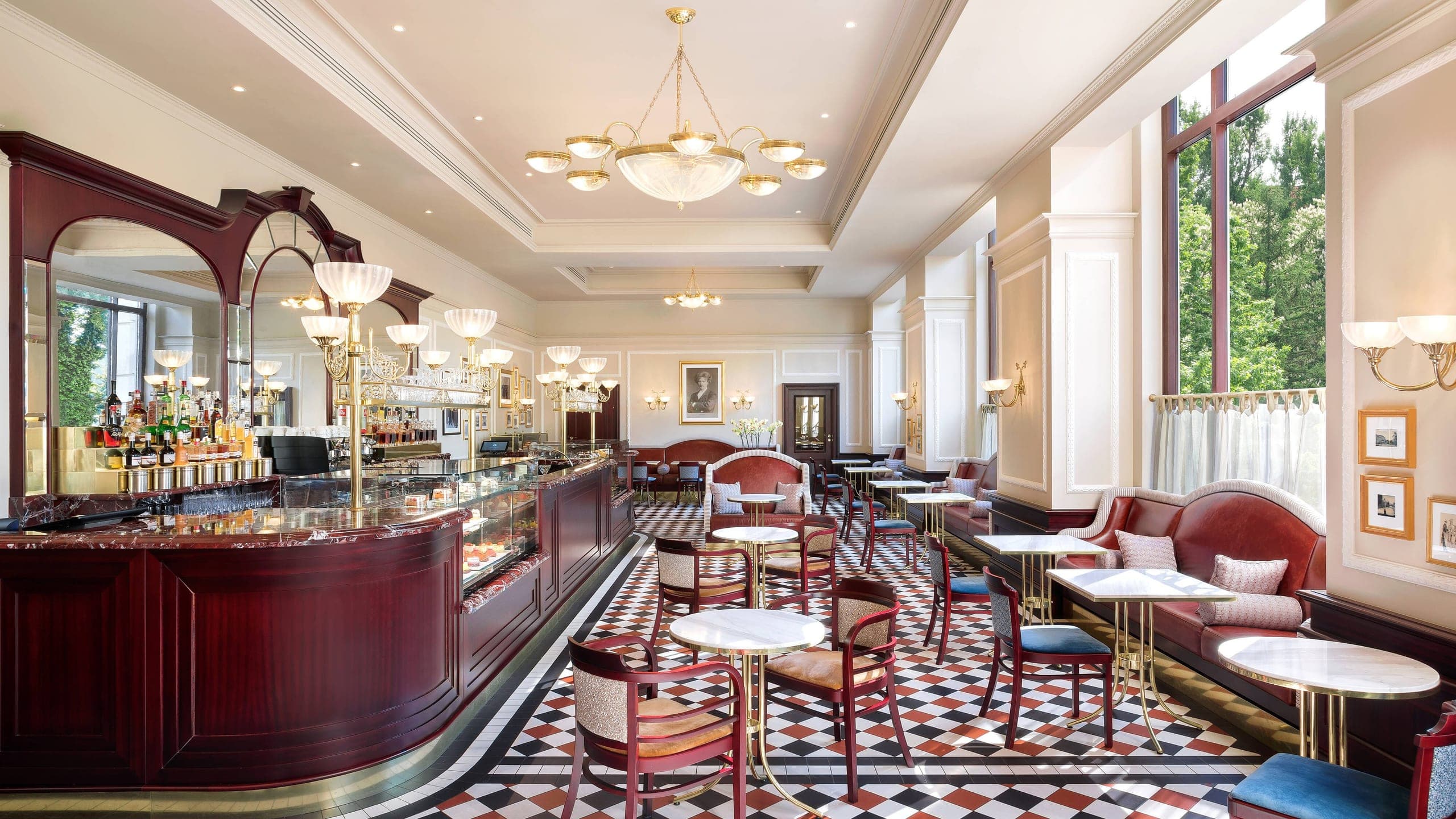
Hotel Bristol, a Luxury Collection Hotel
Third night in Warsaw.
Held, not booked, until your deposit clears. If it is gone by then we substitute an equal or better hotel and tell you first.
Okopowa cemetery, on to Kraków
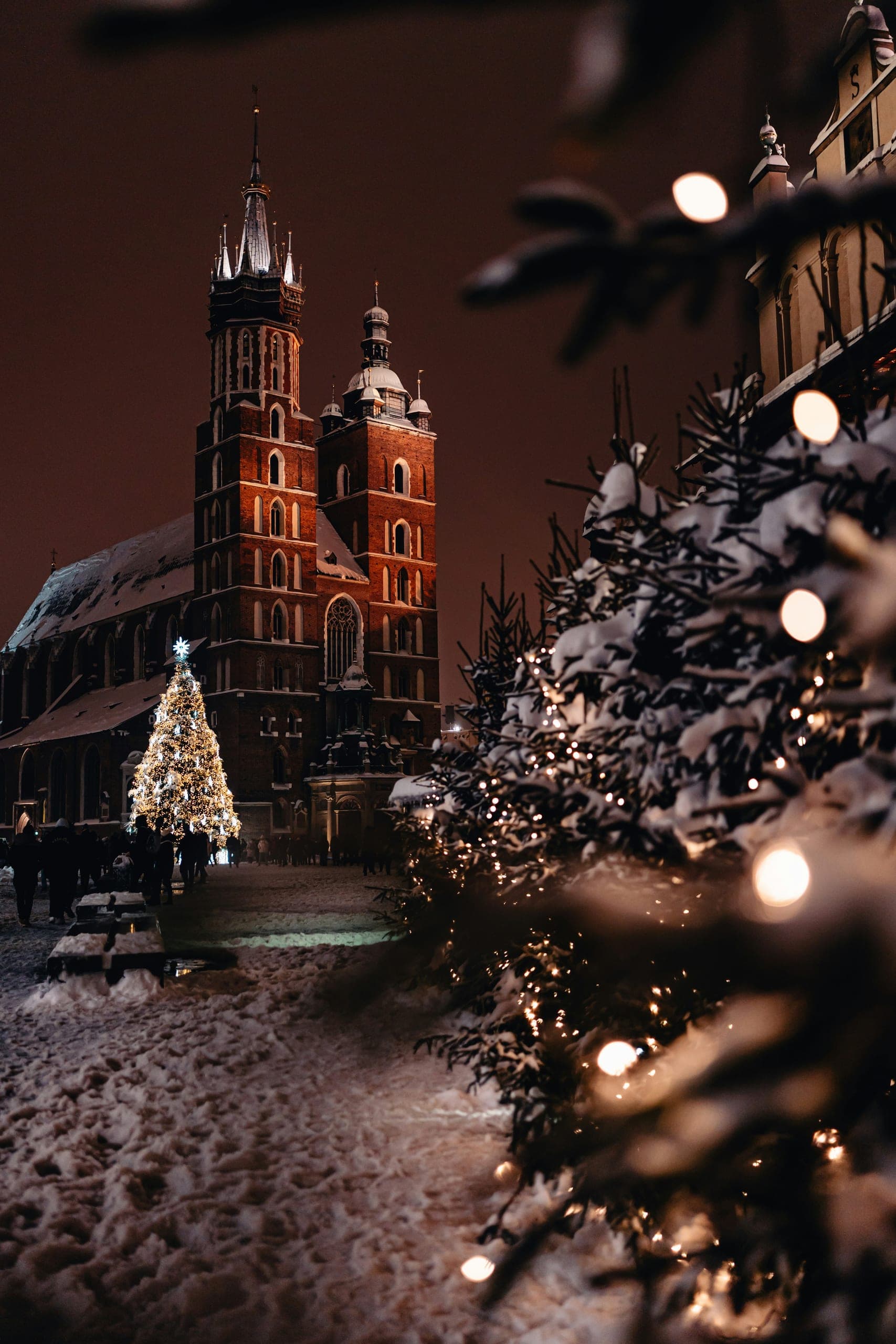
Before leaving Warsaw, your historian takes you to the Okopowa Street Jewish cemetery, founded in 1806 and one of the largest Jewish cemeteries in Europe, with some two hundred and fifty thousand marked graves across overgrown, wooded grounds that were never fully cleared or redeveloped. It is a different register from the museums and memorials of the past two days, quieter and less curated, and worth the unhurried walk your historian sets. In the early afternoon your driver takes you south to Kraków, either by private car or fast train depending on the day's timing, arriving in the late afternoon at a boutique hotel on Szeroka street, in the heart of Kazimierz, Kraków's historic Jewish quarter. The evening is free to walk the district at your own pace.
- Okopowa Street Jewish cemetery
- Travel south to Kraków
- Check in on Szeroka street, Kazimierz
Kazimierz, in depth
Today belongs entirely to Kazimierz. Kraków's historic Jewish quarter held one of Central Europe's most significant Jewish communities for five centuries before the war, and unlike Warsaw's ghetto district, much of its physical fabric survives. With your historian you walk its seven surviving synagogues, including the Old Synagogue, the oldest in Poland, and the Remuh Synagogue with its adjoining cemetery, whose sixteenth-century gravestones and the ohel of Rabbi Moses Isserles were preserved in part because they were buried under rubble and topsoil during the war and only rediscovered afterward. You move at a walking pace through the district's quiet courtyards and lanes, and your historian threads together the community's history from its medieval founding through its interwar flourishing to the ghetto the Nazis established a short distance away, at Podgórze across the river. A dinner in Kazimierz, at a restaurant serving the district's Jewish culinary traditions, closes the day.
- Seven synagogues of Kazimierz
- Remuh cemetery and ohel
- Dinner in Kazimierz
Auschwitz-Birkenau
This day is kept deliberately clear of anything else. Your driver takes you to Oświęcim, roughly an hour and a half from Kraków. Inside the Memorial, the visit is led by an authorized Auschwitz-Birkenau guide-educator, as the site requires; your specialist historian travels with you to give context beforehand and to talk it through afterward, so the day still carries the depth of the rest of the trip. The visit covers both the original Auschwitz I camp and the much larger Birkenau site nearby, and takes most of the day. We do not schedule anything for the afternoon or evening that follows: you return to Kraków with time to be quiet, to talk, or to be alone, whichever suits. Your historian remains available if you want to talk through what you saw, but nothing further is planned.
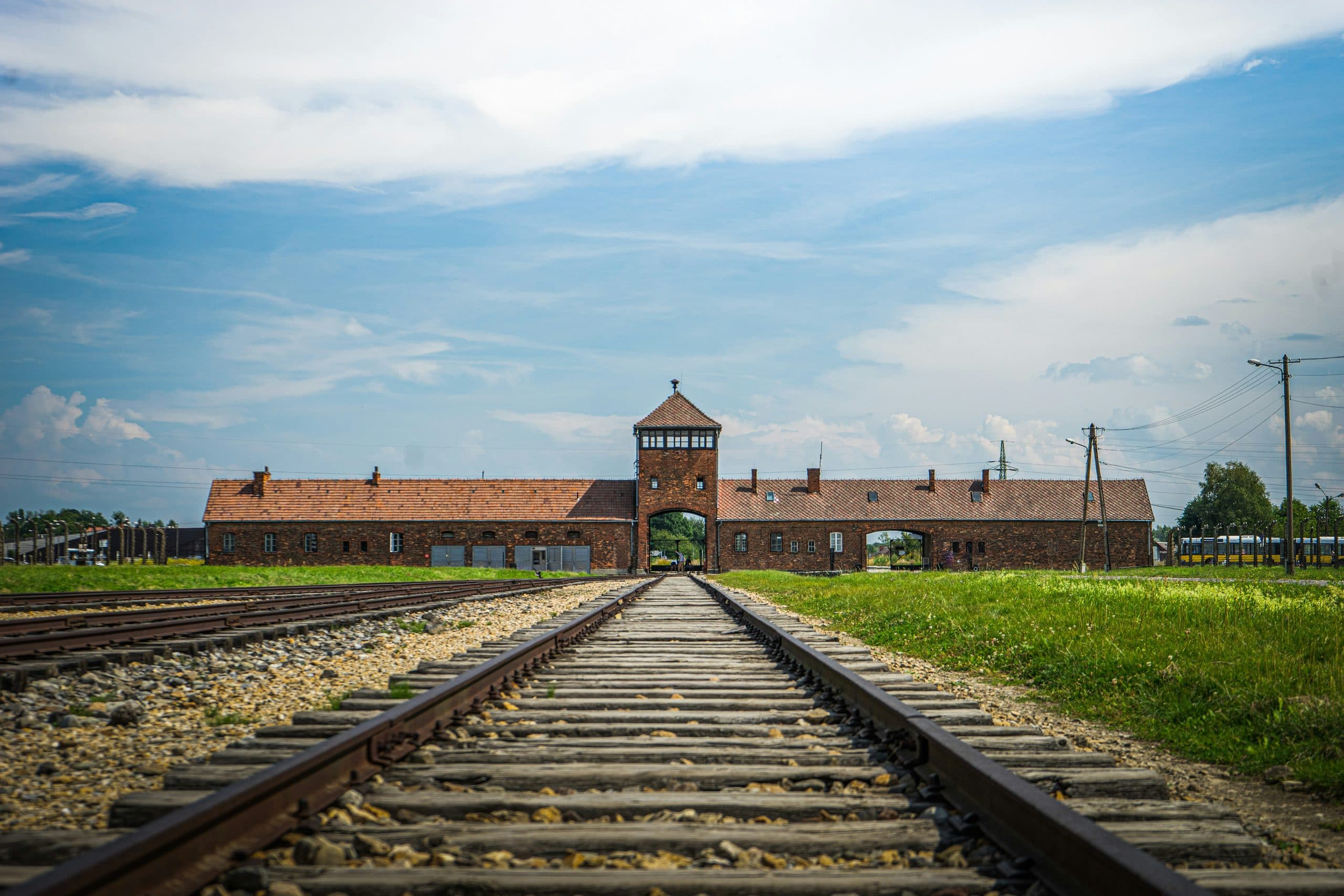
- Led by an authorized Memorial guide-educator
- Auschwitz I and Birkenau
- No further activity scheduled
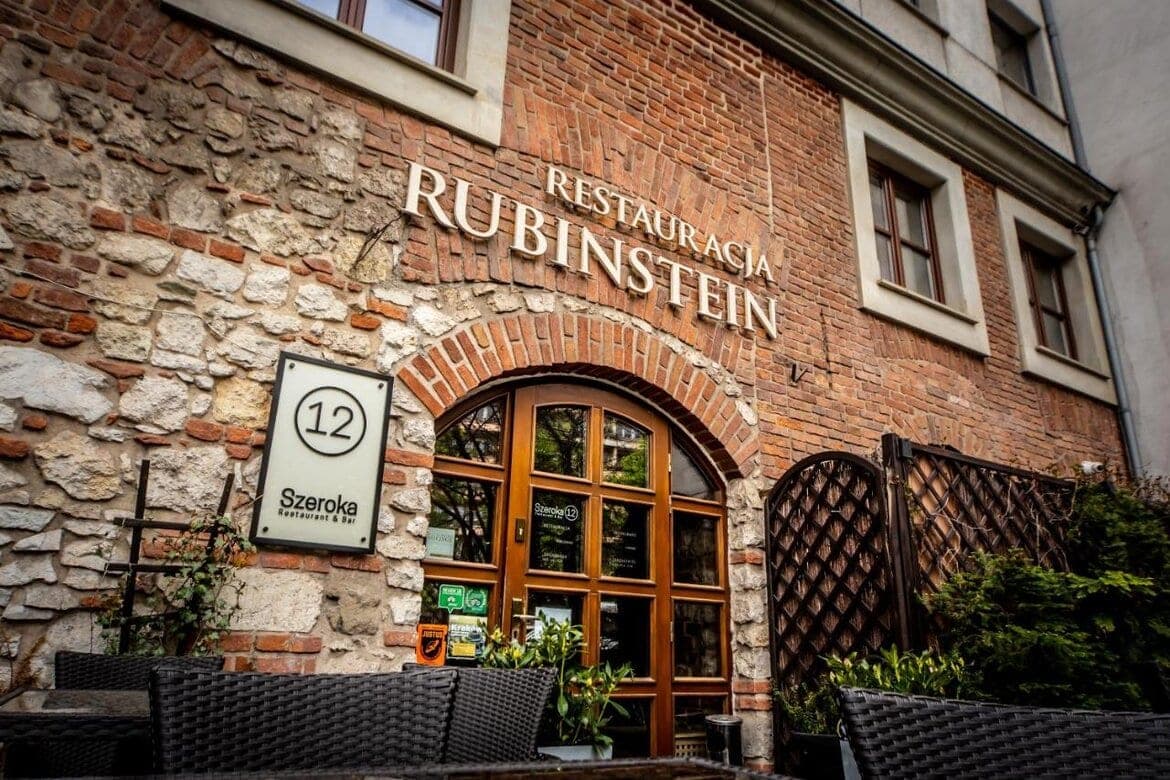 Photo: © Hotel Rubinstein
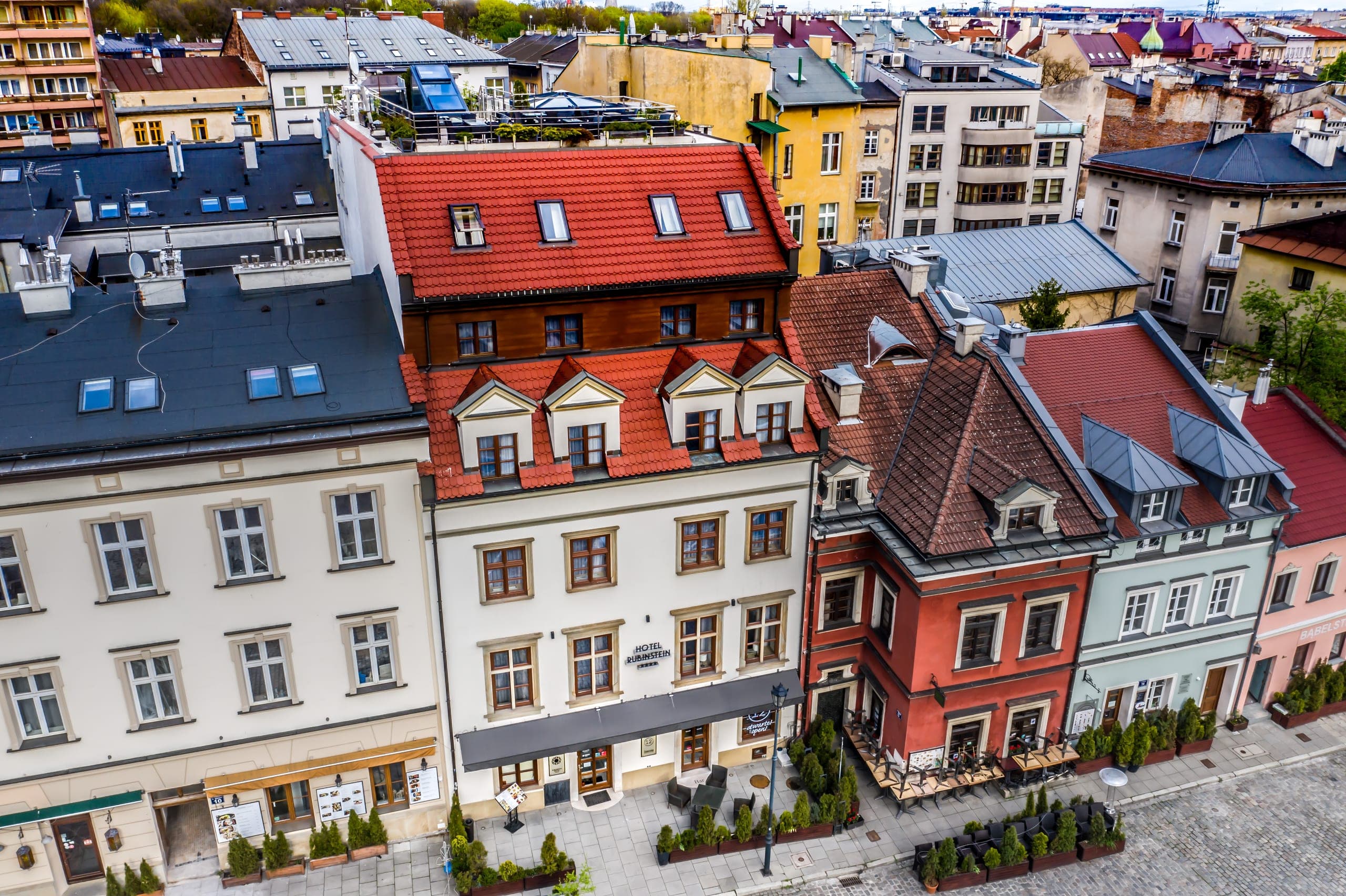
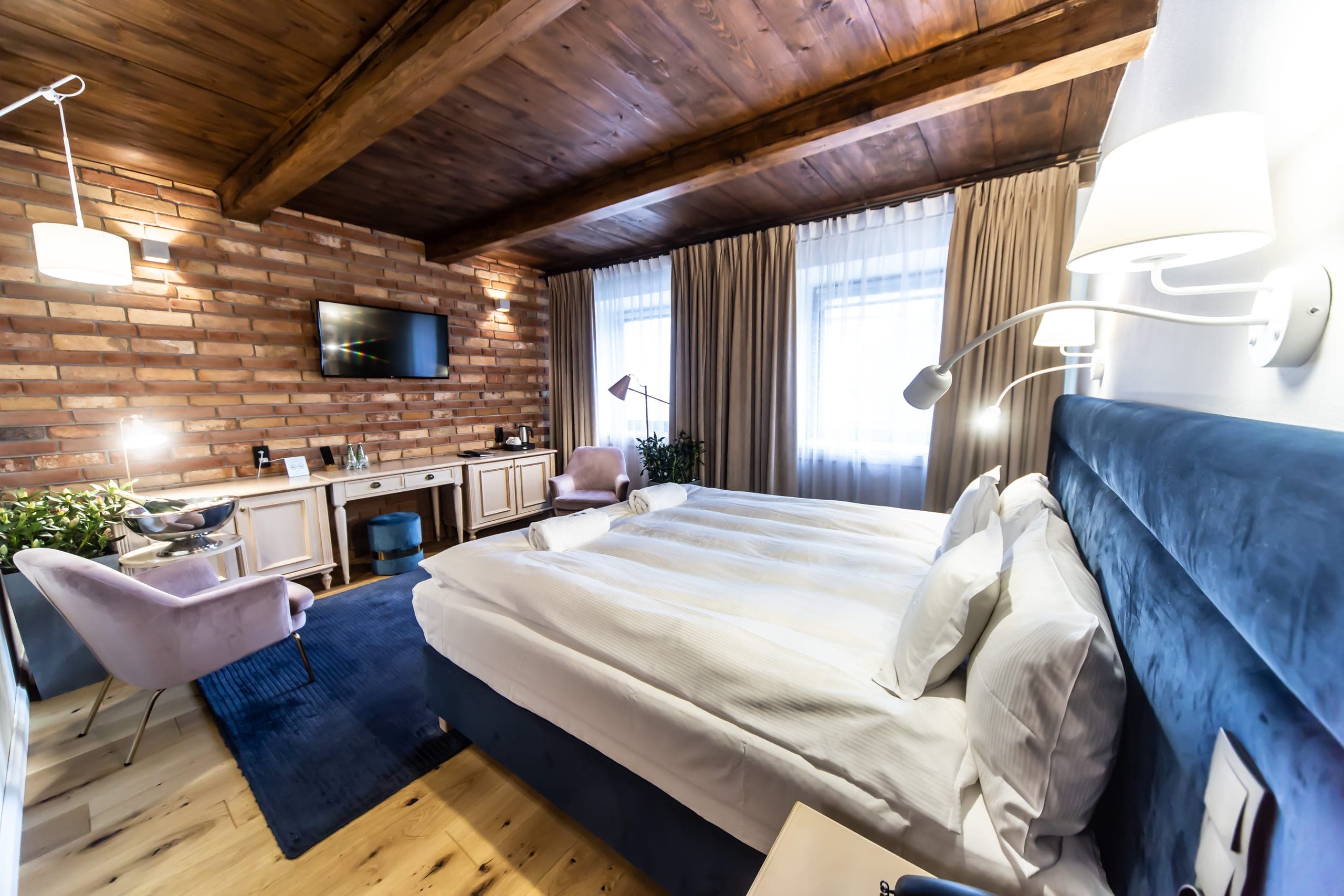
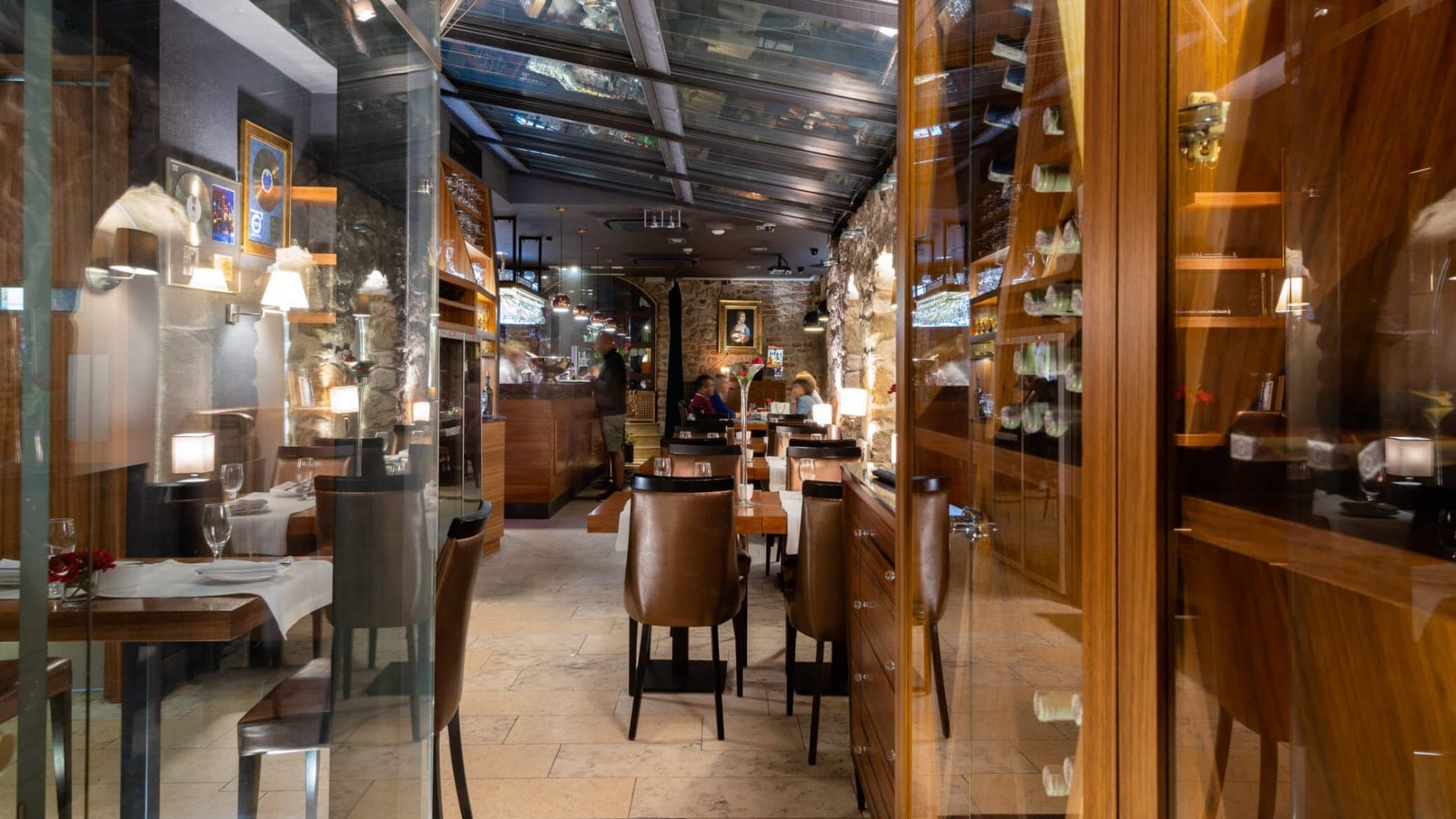
Hotel Rubinstein
Third night on Szeroka street.
Held, not booked, until your deposit clears. If it is gone by then we substitute an equal or better hotel and tell you first.
The Galicia Museum, departure
After yesterday, today is built to be lighter. Your historian takes you to the Galicia Jewish Museum, a short walk from your hotel in the heart of Kazimierz. The museum explores the history and heritage of Jewish communities in former Galicia through photography, personal stories and exhibitions. It commemorates the victims of the Holocaust while also highlighting the richness of Jewish culture and the centuries-long presence of Jewish life in Poland. At its heart is Traces of Memory, a powerful photographic exhibition by Chris Schwarz documenting the traces of Jewish life and places of memory across Poland, which invites visitors to reflect not only on the past, but on how Jewish history is remembered today. The museum also offers guided tours, educational programmes and meetings with Witnesses to History, Holocaust survivors who share their personal stories; tell us if you would like one built into the morning, subject to availability. Afterward you sit down for a closing lunch in Kazimierz, a chance to talk through the trip as a whole with your historian before your driver takes you to Kraków airport (KRK) for your departure.
- Galicia Jewish Museum
- Closing lunch in Kazimierz
- Transfer to KRK
Your trip, your way.
Every day above can be taken three ways, at three prices. The detailed pricing further down is for the private version; we confirm small-group and self-guided prices in your quote.
Private
Just you, with your own guide and driver.
Small group
Semi-private: a few like-minded travellers on the same route.
Self-guided
The same route, at your own pace.
Request your quote.
Tell us your dates and party size. We'll reply within one working day, with a private, fully-costed version of Jewish Heritage Tour: Vilnius to Kraków to follow within two.
within two working days
Prices shown in USD for reference. You're billed in EUR.
- Private trip: just your party, your pace
- Flexible dates, year-round departures
- No payment taken to enquire
- A $875 pp deposit holds your dates
- Protected under the EU Package Travel Directive
Priced by party size.
- Per person
- $4,844(≈ €4,140)
- Total for 2
- $9,688(≈ €8,280)
- Deposit to book
- $1,750(≈ €1,496)
- Balance, 60 days out
- $7,937(≈ €6,784)
Calculated from the same per-person rates as the table below. Final pricing is confirmed with your quote and moves with your dates, room choices and any day you change. Billed in EUR.
Per-person rates by party size
Prices shown in USD for reference. You're billed in EUR.
What's included.
- 9 nights in 5★ hotels and a boutique property in Kazimierz
- Specialist Jewish-heritage historian and private chauffeur for the whole route
- Vilna Gaon Museum, Choral Synagogue, YIVO briefing
- Paneriai with your specialist historian, and the Ninth Fort with a museum-accredited guide
- Full half-day at POLIN with a POLIN-trained guide
- Kazimierz walking days: seven synagogues, the Remuh cemetery, the Galicia Jewish Museum
- A full guided day at Auschwitz-Birkenau, including transport and entry
- All breakfasts and entrance fees
- International travel to Vilnius (VNO) / from Kraków (KRK)
- Most lunches and several dinners (curated shortlist)
- Travel insurance (mandatory)
- Tips for guide and chauffeur (suggested €15/day per traveler)
- Archival research into a specific family line (offered separately, see below)



The Baltics, in your pocket.
Cool facts, the places we love, the food and the best months, in 11 illustrated pages. Free to download, no email needed.
Opening hours, tickets and temporary closures, straight from the places we visit.