openBalticsby Hamilton & Chase Tours
Plan a trip
Poland — the southern neighbour
Republic of Poland · PolskaPL · Warsaw

Poland,
the southern neighbour.

Medieval market squares, Tatra peaks, and a food culture that turns comfort into art. The natural extension south from Vilnius.

WarsawCapital
38MPeople
312,700km²Area
MaySeptemberBest season
4Tours featuring PL
The country in two paragraphs

Poland, at the pace of a long read.

Poland is the largest country between Germany and the former Soviet Union, and its presence is felt in every direction: in Vilnius, where Polish was spoken for centuries; in Gdańsk, which shares the same amber coast as Lithuania; in the Tatra mountains, which form Europe's sharpest transition from lowland plain to alpine rock. For travellers coming south from the Baltics, the border crossing near Suwałki opens onto a country of a different scale, a different density, and a food tradition that ranges from Kraków's milk bars to some of the most ambitious new kitchens in central Europe.

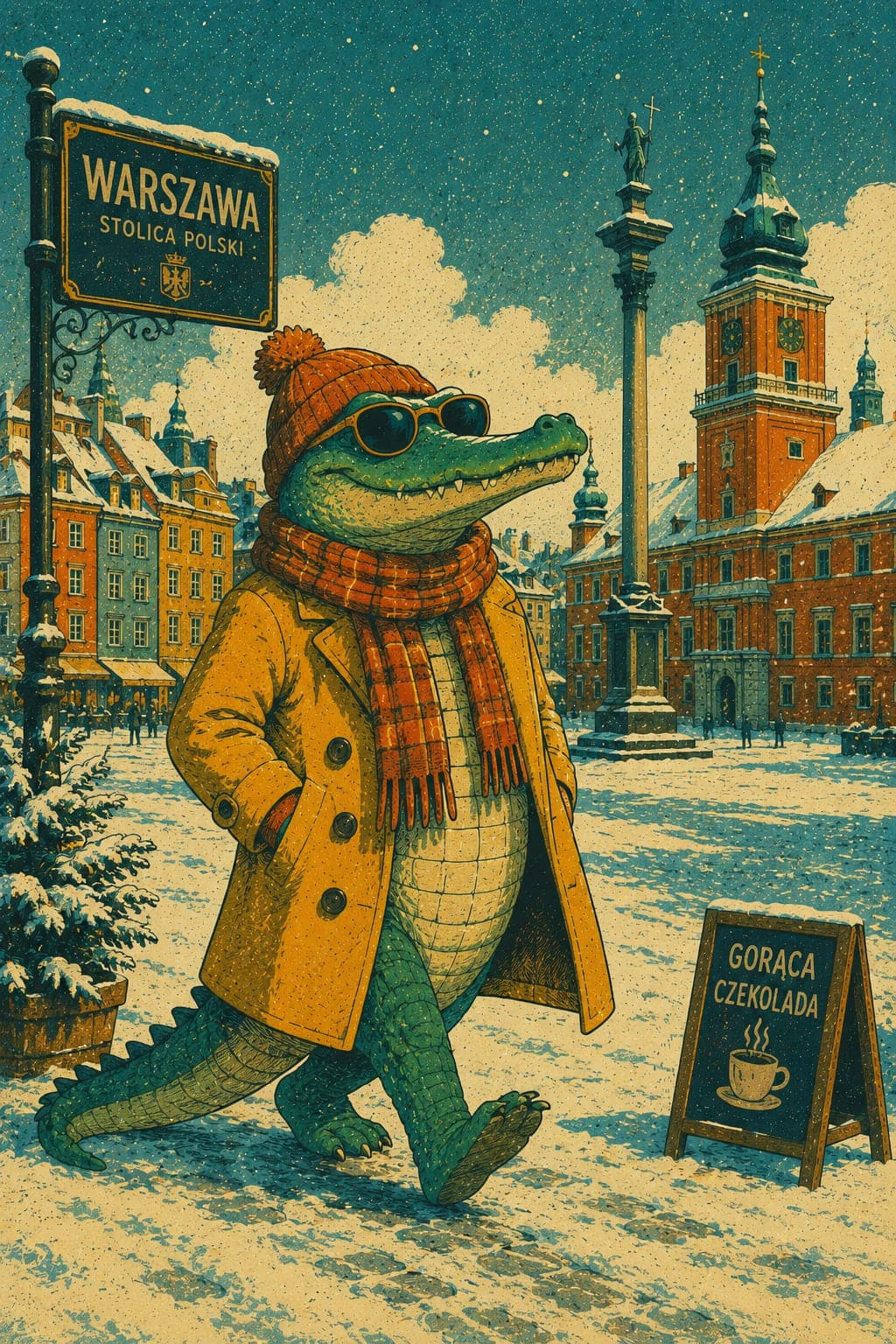
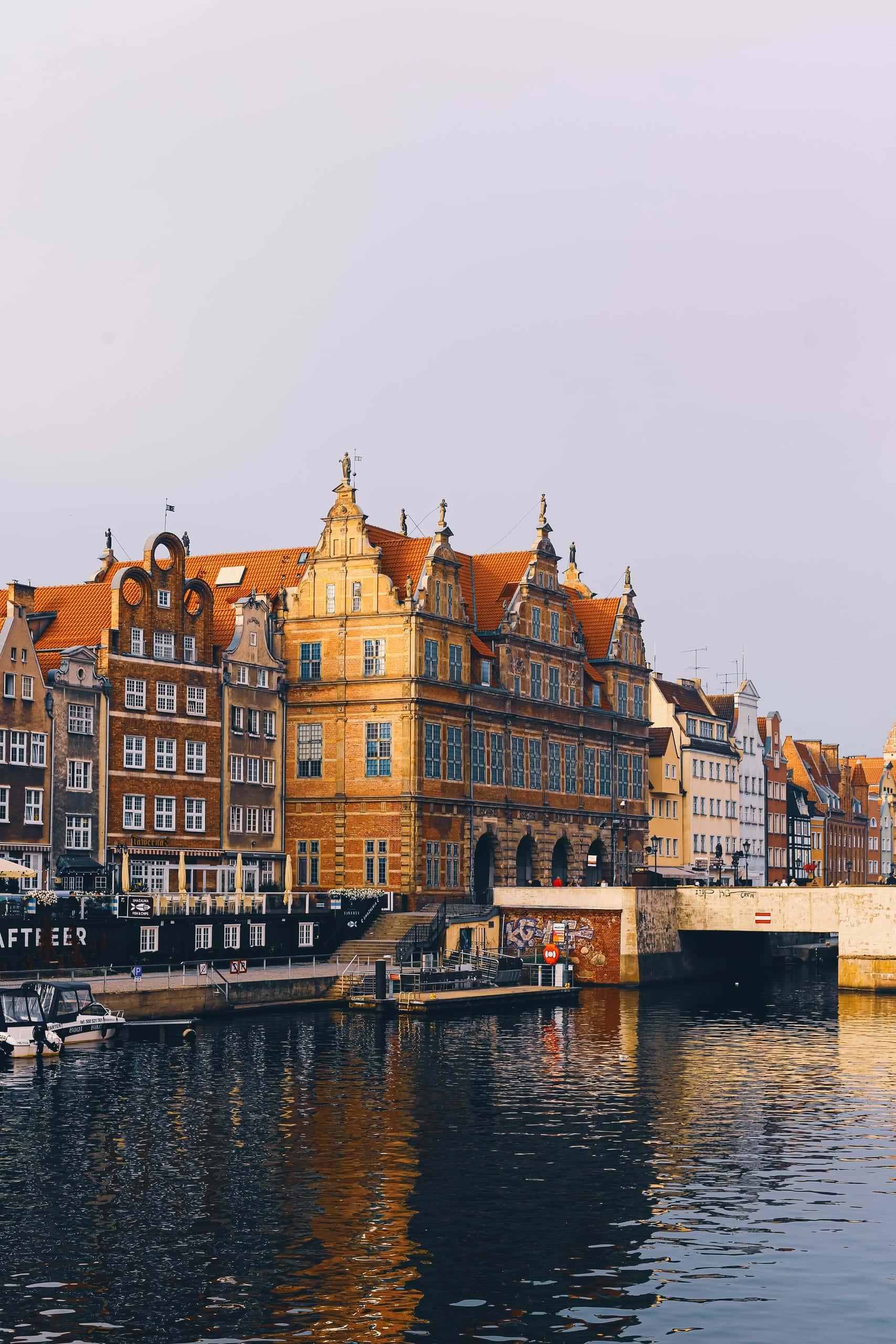
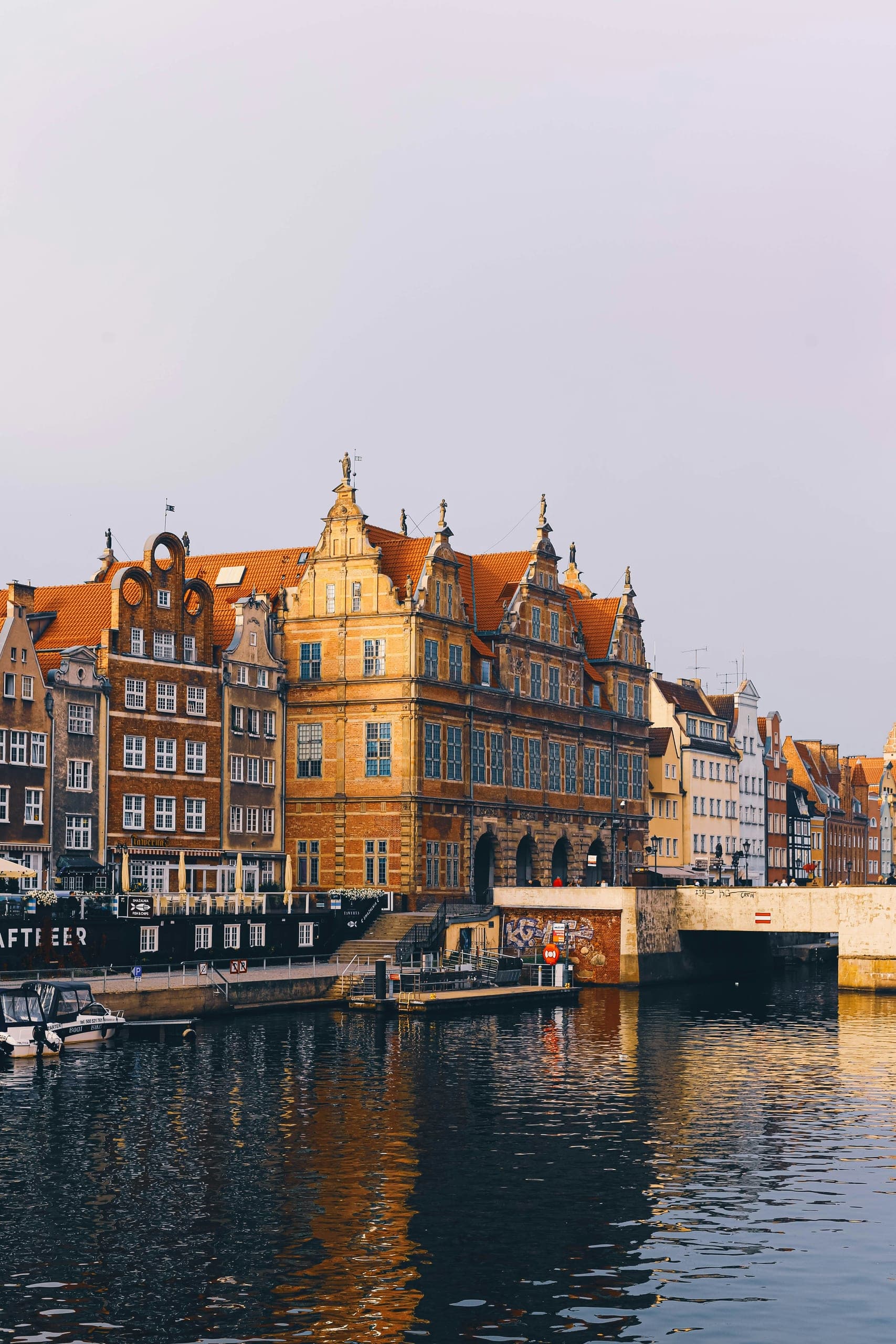
Three cities anchor the visitor's Poland. Warsaw, rebuilt from rubble after 1945, now one of Europe's fastest-moving capitals. Kraków, untouched by the war, with a medieval square and a Jewish quarter that still draws scholars and pilgrims. Gdańsk, the Baltic port where Solidarity began, with painted merchant houses along the Motława and the world's largest brick church behind them. Between the three, the country unfolds in farmland, forest, and the occasional hilltop castle ruin.

At a glance
Capital
Warsaw
Population
38 million
Area
312,700 km²
UNESCO sites
17 cultural and natural
Coastline
440 km on the Baltic
EU member
Since 2004
Highest point
Rysy, 2,499 m (Tatras)
Forest cover
30% of land

Why come to Poland.

Four things that set it apart

Not the postcards. The reasons our guides, who live here, would book you a ticket.

01

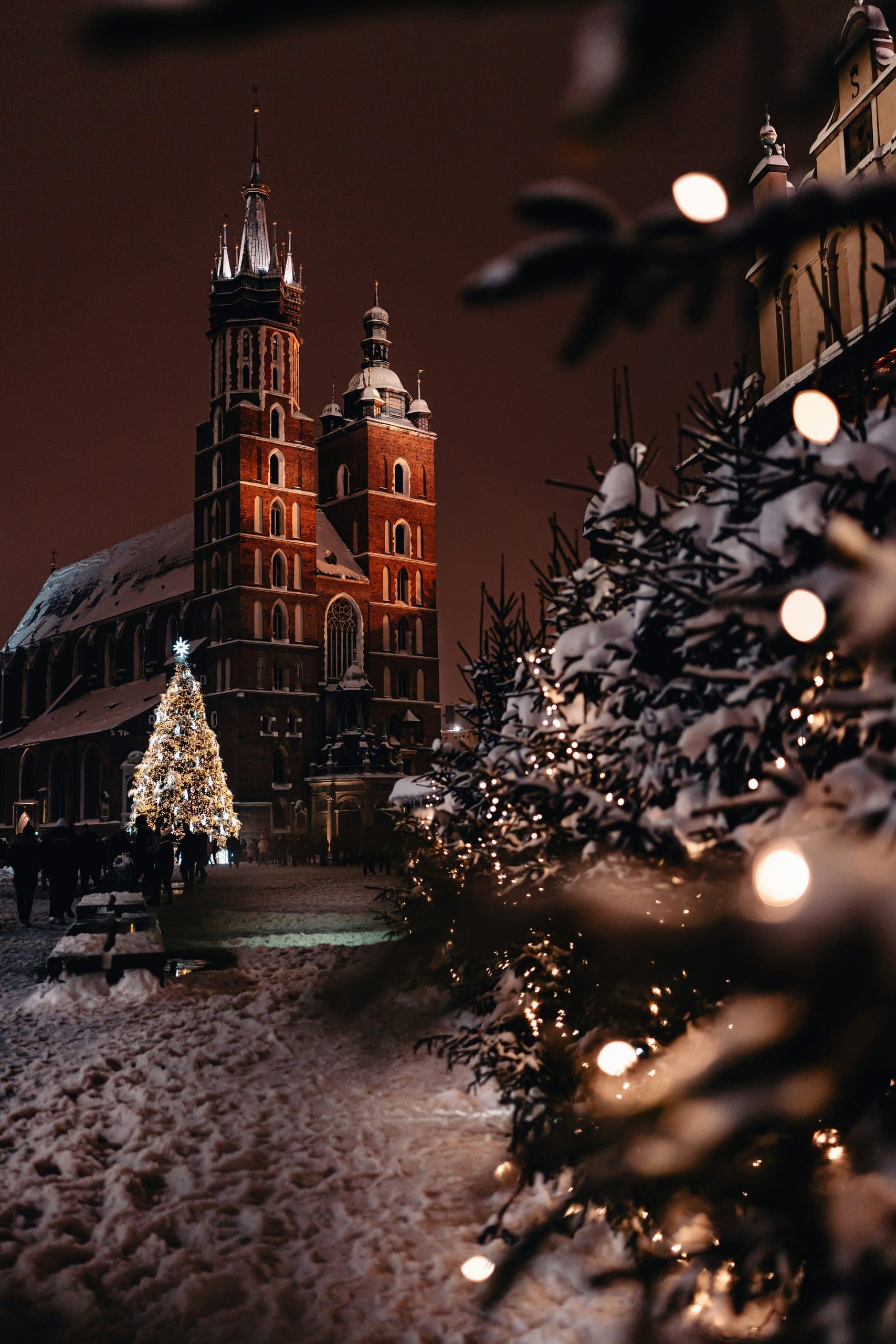
Kraków's Rynek Główny

The largest medieval market square in Europe, surrounded by merchant houses and anchored by the Cloth Hall and St Mary's Basilica. The trumpet call still sounds every hour from the tower.

02

Wieliczka Salt Mine

Nine floors underground, 700 years of continuous mining, and a cathedral carved from salt. The single most-visited site in Poland, and one of the few that earns the superlative.

03

Gdańsk, amber and Solidarity

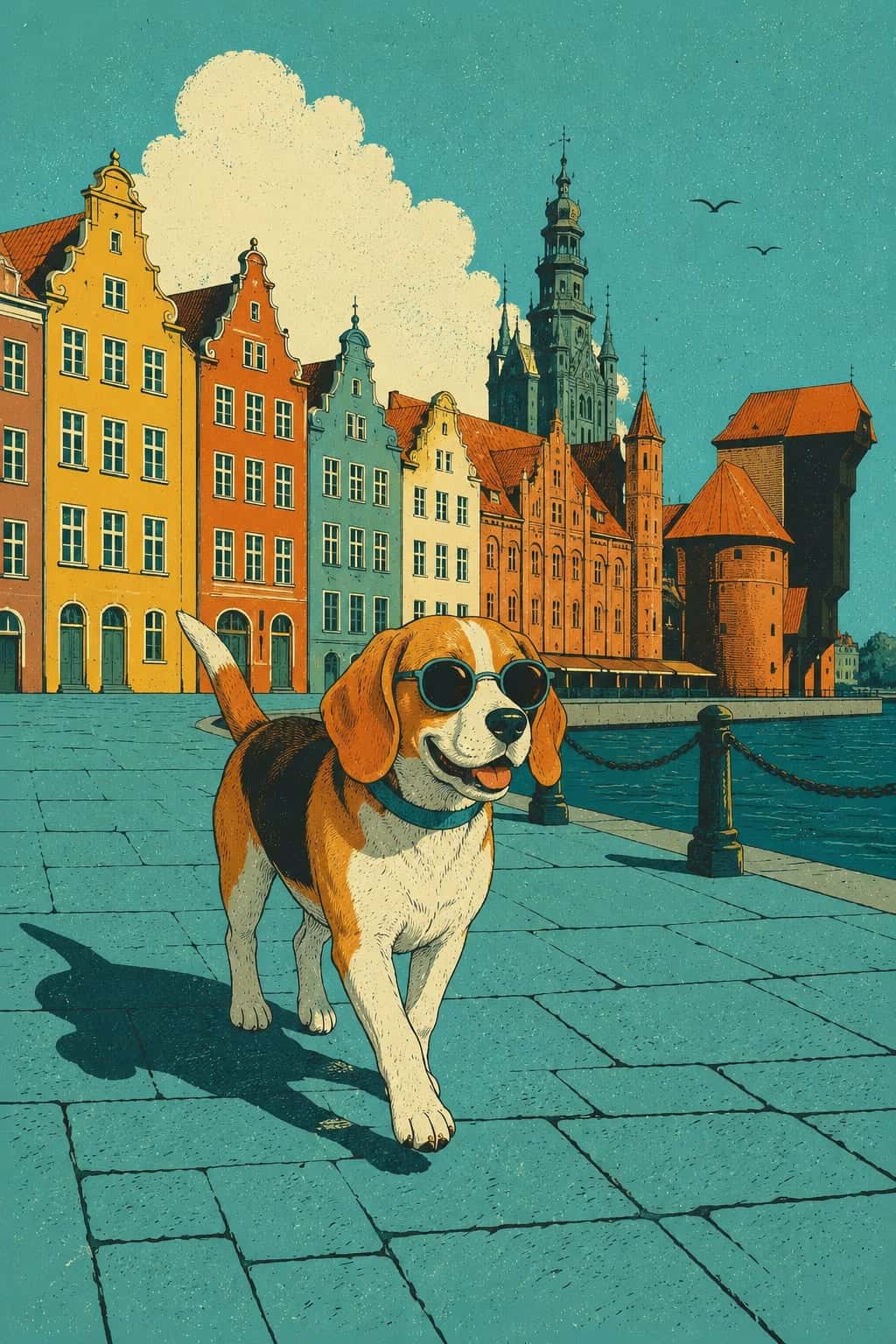
Painted merchant houses on the Motława, the world's largest brick church, and the European Solidarity Centre. The city where the movement that ended communist Europe began.

04

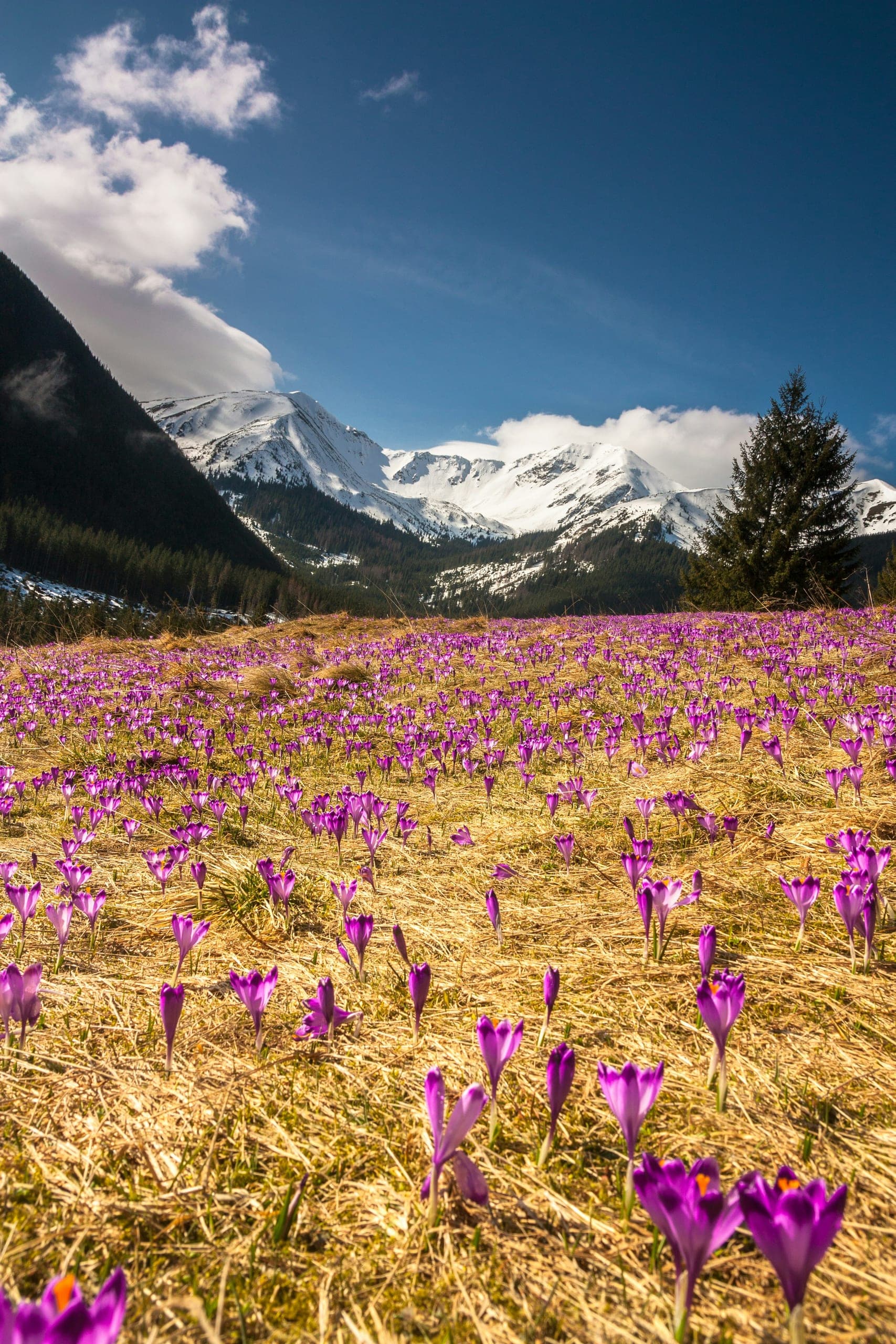
The Tatra Mountains

Two hours south of Kraków, the landscape lifts sharply into alpine peaks, pine valleys, and the wooden architecture of Zakopane. The only true mountains in the region.

Three regions.

A useful first map

Travelling end to end takes a week. Travelling slowly inside one region takes the same. Both are good. Here is the country in three thirds.

Kraków & the south
01 / 03

Kraków & the south,
the medieval heartland.

The Old Town, the Jewish quarter of Kazimierz, the Wieliczka Salt Mine, and the Tatra foothills. Kraków is the anchor of most first visits, and it earns the time.

Warsaw & Masuria
02 / 03

Warsaw & Masuria,
the rebuilt capital and the lake country.

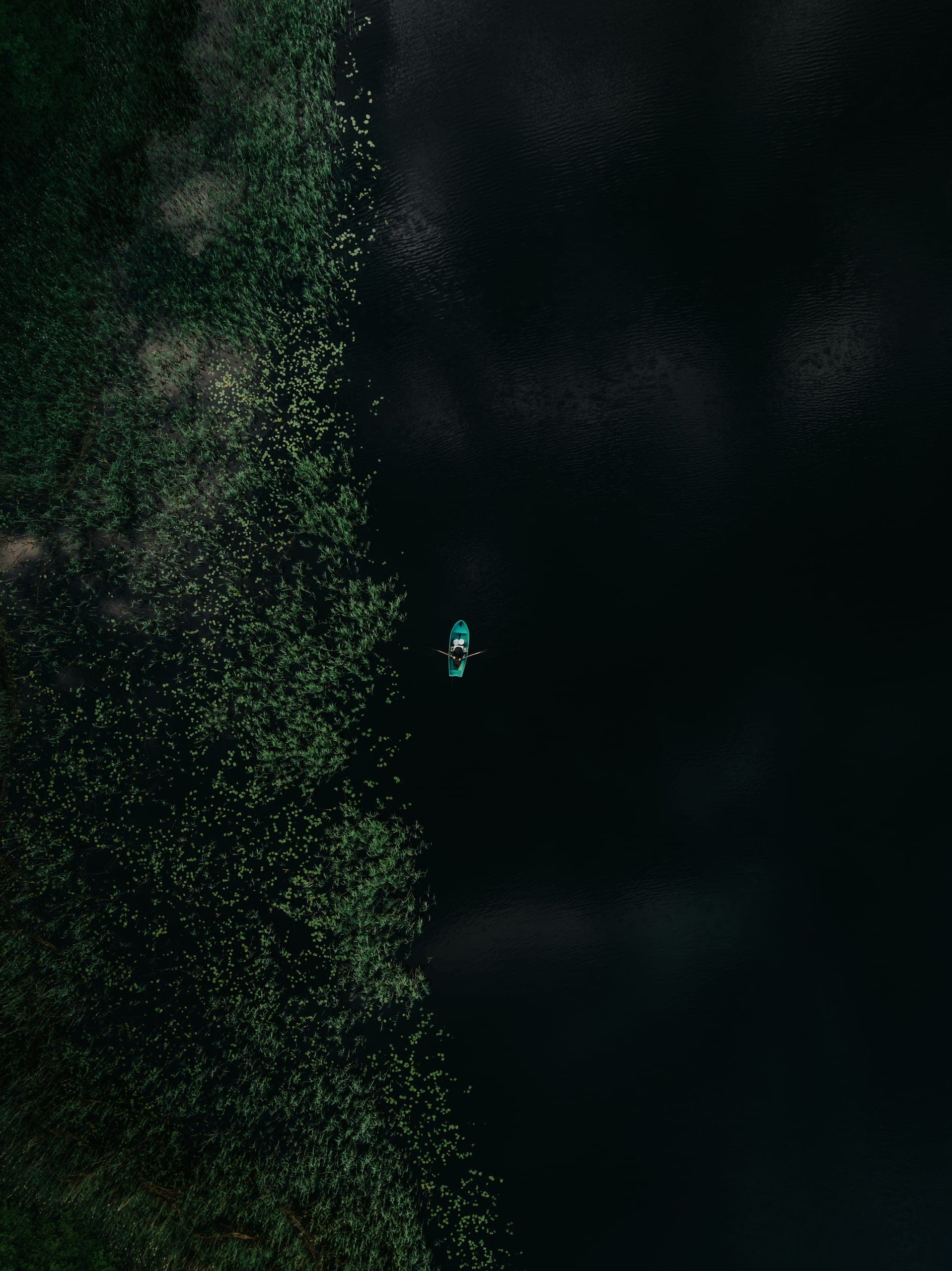
Warsaw's painstakingly reconstructed Old Town (UNESCO since 1980), the POLIN museum, and north into the Masurian lake district, where a thousand lakes sit in glacial silence.

Gdańsk & the Baltic coast
03 / 03

Gdańsk & the Baltic coast,
the amber shore.

The Tri-City (Gdańsk, Sopot, Gdynia) on the Baltic coast. Long sandy beaches, the Solidarity shipyards, and a merchant city whose painted facades rival Amsterdam's.

Pierogi, milk bars,A milk bar in Kraków, open since 1956.
On the table

Pierogi, milk bars, and a new kitchen.

Polish food begins with pierogi (filled dumplings, boiled or fried), żurek (a sour rye soup with sausage and egg), barszcz (a clear beetroot broth), and the institution of the bar mleczny, the state-subsidised milk bar where a full lunch still costs under four euros. But the country has also undergone a quiet culinary revolution. In Kraków and Warsaw, a new generation of kitchens works with foraged mushrooms, heritage grains, and smoked trout from the Tatra streams. The food tradition runs deep and wide, from roadside oscypek (smoked sheep cheese, grilled over charcoal in the mountains) to the elaborate Sunday obiad that still anchors family life across the country.

The institution of the bar mleczny, the state-subsidised milk bar, where a full lunch still costs under four euros.

When to go.

A year in Poland

Five amber months of long light and warm sea, four blue months of dark, and three shoulder weeks at either end that quietly outshine the rest.

JanCold, clear7h lightQuiet
FebCold, clear9h lightQuiet
MarThaw, mud12h lightQuiet
AprSpring, cool14h lightOK
MayWarm, lilacs16h lightGo
JunLong days, festivals18h lightGo
JulHot, 25 to 30°C17h lightGo
AugPeak, crowded south15h lightGo
SepGolden autumn13h lightGo
OctQuiet, colourful11h lightOK
NovGrey, raw8h lightQuiet
DecChristmas markets7h lightOK

Tours that visit.

4 itineraries, in or through Poland

Each is privately guided, designed by the local team, and bookable in any week of the named season. Use them as a starting point: every itinerary can bend.

Poland, good to know.

Frequently asked
How many days do you need in Poland?

Three to four days covers one major city well: Kraków, Warsaw, or Gdańsk. A week lets you combine two cities with a countryside detour such as the Tatras or the Masurian Lakes.

What is Poland best known for?

Kraków's medieval Old Town, the Wieliczka salt mine, the rebuilt Warsaw Old Town (a UNESCO site for the act of reconstruction itself), Gdańsk's amber heritage, and the wild Tatra Mountains along the Slovak border.

When is the best time to visit Poland?

May to September for warm weather and outdoor activities. June and September are the sweet spots: fewer crowds than July and August, long days, and comfortable walking temperatures.

Can you combine Poland with the Baltic states?

Yes. Our Vilnius to Warsaw cross-border tour connects the two regions in five days. We also arrange direct transfers between Vilnius and Warsaw, Gdańsk, or Kraków.

The practical bit.

Border, voltage, vocabulary

Everything you would otherwise have to ask. The rest, your guide will know.

Fly in toWarsaw (WAW) · Kraków (KRK) · Gdańsk (GDN)
VisaSchengen, 90/180 days
CurrencyZłoty (PLN). Euro not widely accepted; ATMs everywhere
Power230V, type E (French-style, with pin)
Tipping10% in restaurants; round up for taxis
Language tipEnglish good among under-40s in cities; Polish phrasebook appreciated in smaller towns
Ready when you are

Cross south to Poland.

Vilnius to Warsaw is an overnight train or a four-hour drive. Kraków is a short flight from any Baltic capital. Add three to five days for one city, a week to connect two.

Poland Travel Guide · Tours & Day Trips · openBaltics