Finland,
the northern crossing.
Two hours by ferry from Tallinn. Design capital, lakeland silence, and a sauna tradition that predates history.
Finland, at the pace of a long read.
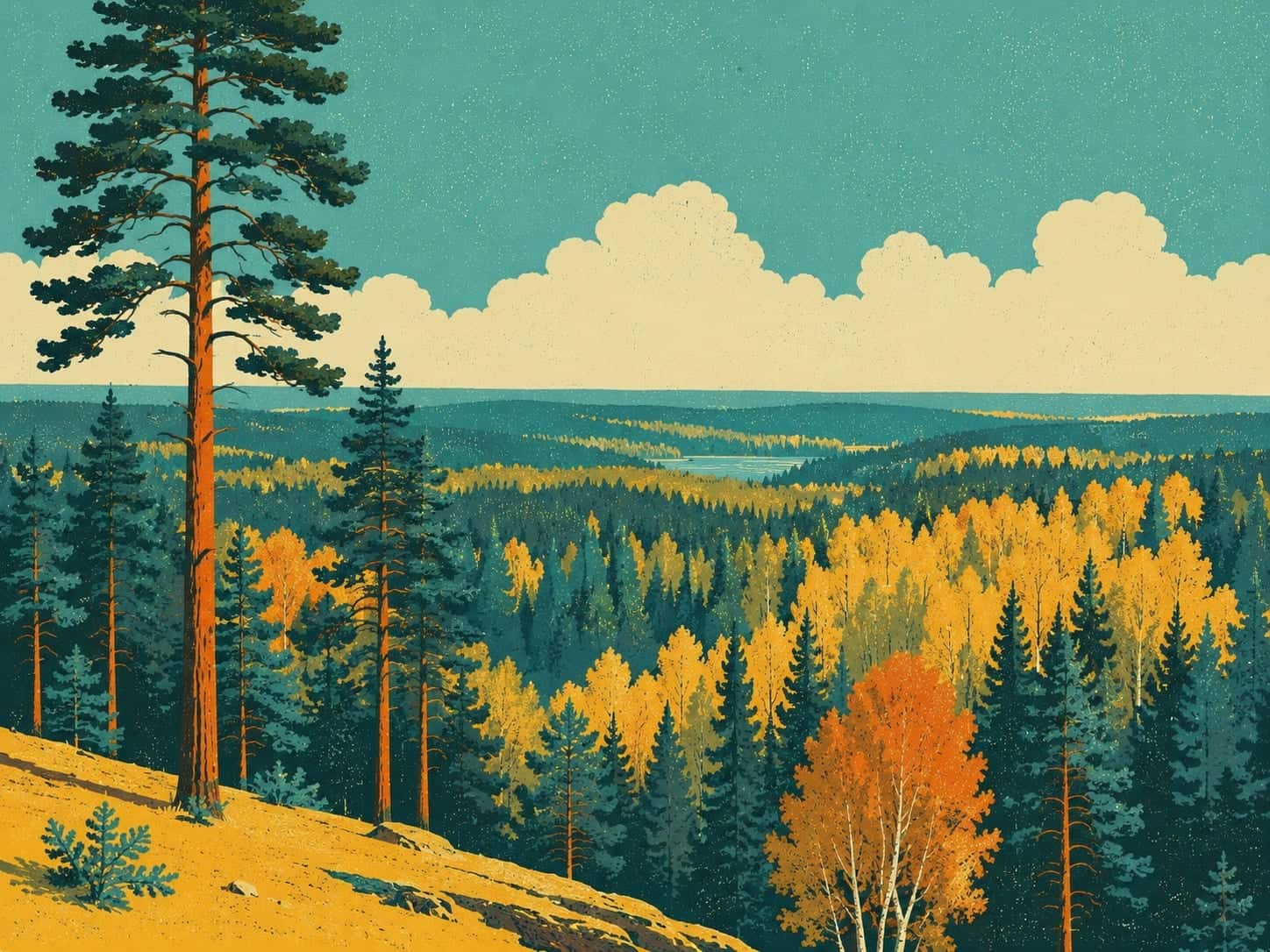
Finland is the quiet northern edge of the extended Baltic world, close enough to Tallinn that you can see the city lights across the Gulf on a clear winter night. The country is overwhelmingly forest (73%) and lake (10%), with a population concentrated in the south and a hinterland that empties into one of the last true wildernesses in western Europe. Helsinki is compact, modern, design-literate, and entirely walkable. Beyond it, the country opens into two distinct landscapes: the lake district, with more than 180,000 lakes threaded together by canal and forest, and Finnish Lapland, where the Arctic light shapes everything.
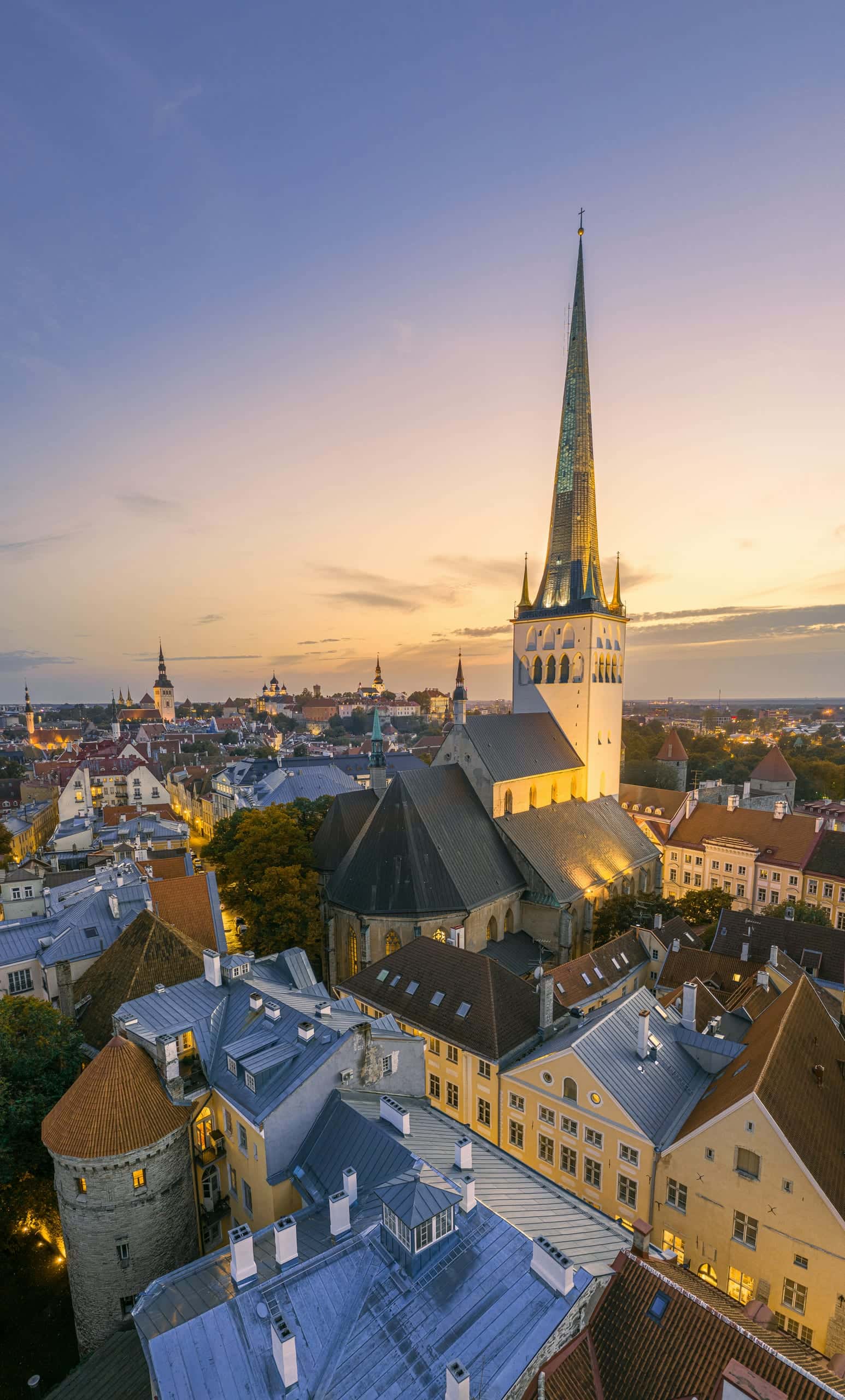
For travellers coming from Tallinn, Finland is the natural day trip or two-day addition. The fast ferry takes two hours; Helsinki's harbourfront is ten minutes from the centre on foot. The city rewards a short, focused visit: the Aalto house, the Oodi library, the Suomenlinna sea fortress, the Hakaniemi market hall, and the design district between Punavuori and Ullanlinna. Outside the capital, Porvoo (an hour east) is a painted wooden old town on the Porvoo river, and Turku (two hours west) is the former capital, with a medieval castle on the river Aura.
- Capital
- Helsinki
- Population
- 5.6 million
- Area
- 338,400 km²
- Lakes
- 188,000+
- Forest cover
- 73% of land
- EU member
- Since 1995
- Saunas
- ~3.3 million (more than cars)
- Highest point
- Halti, 1,324 m
Why come to Finland.
Not the postcards. The reasons our guides, who live here, would book you a ticket.
Helsinki, by design
Aalto, Saarinen, the Oodi library, the Design Museum. A compact capital where Nordic modernism is not a style but a working language, visible on every block.
Suomenlinna sea fortress
A UNESCO-listed fortress spread across six islands in Helsinki's harbour. Built by the Swedes in 1748, besieged by the British, surrendered to the Russians, and now a public park you reach by a 15-minute ferry.
The lakeland
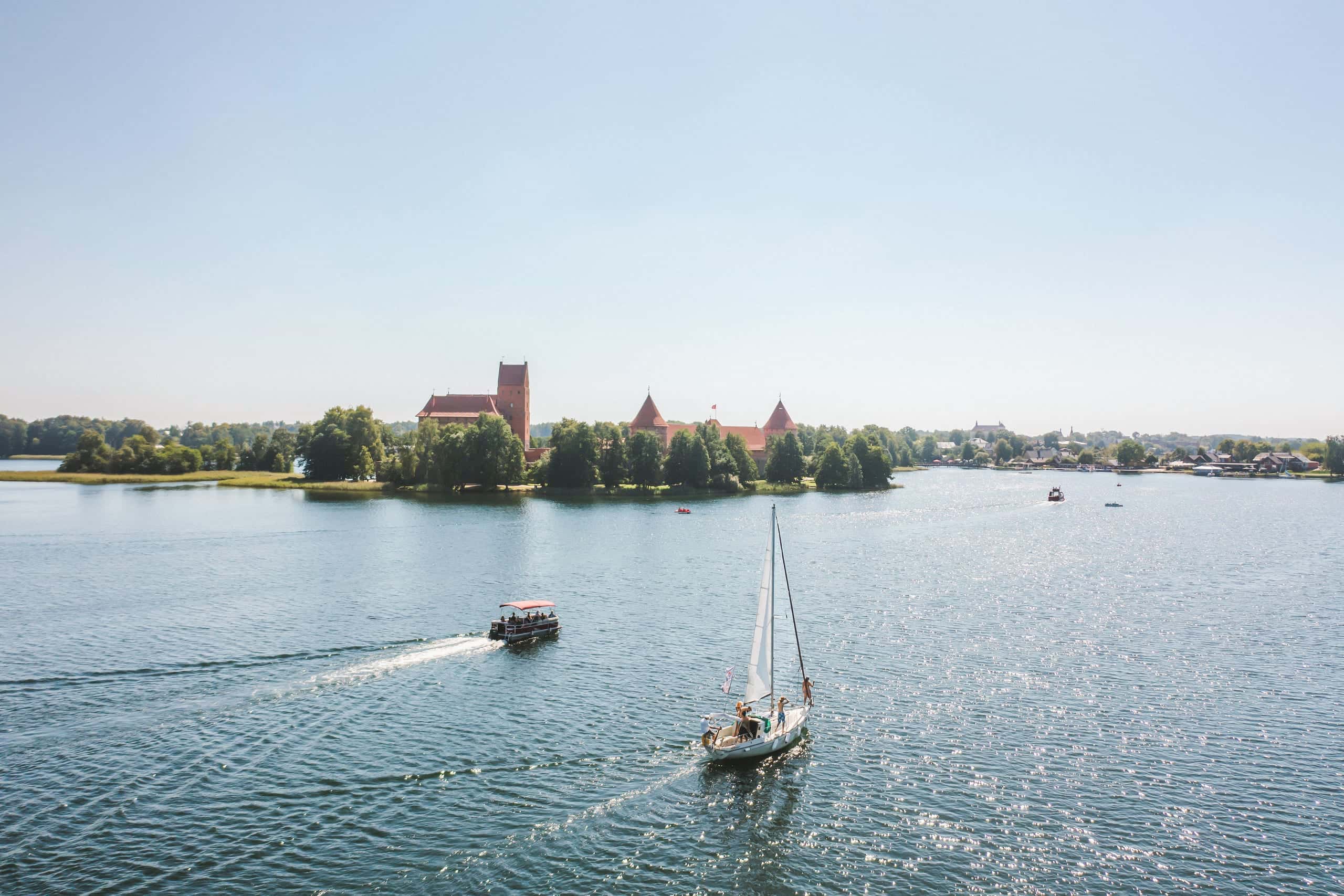
Finland's interior is one vast mosaic of forest and water: 188,000 lakes, connected by canal and narrows. The best way in is a cottage with a sauna and a rowing boat. The best time is July.
The Finnish sauna
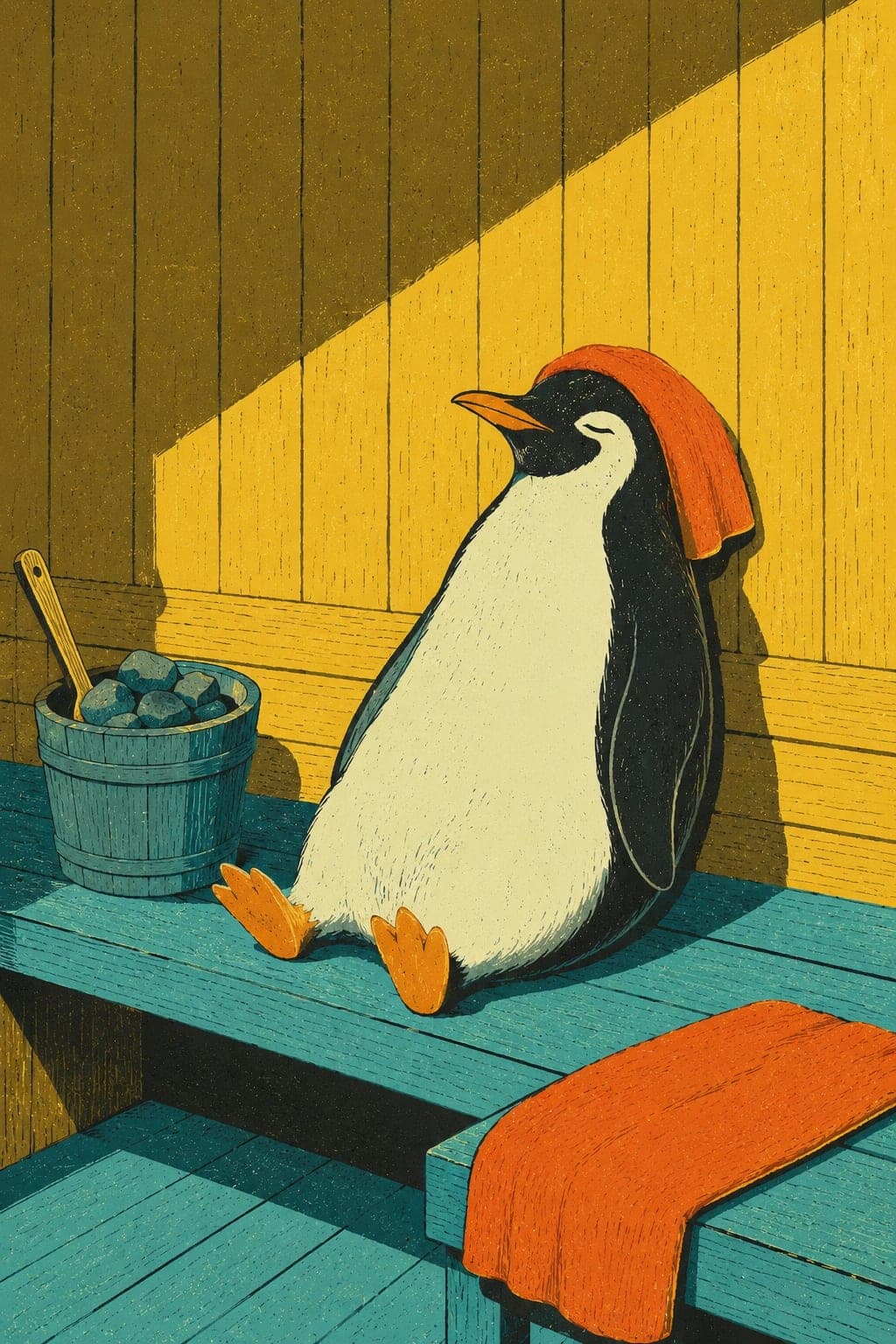
Not a spa add-on but a cultural institution older than Christianity in this part of the world. Helsinki alone has dozens of public saunas, from the harbourside Löyly to the wood-fired Sompasauna, free and open to anyone.
Three regions.
Travelling end to end takes a week. Travelling slowly inside one region takes the same. Both are good. Here is the country in three thirds.
Helsinki & the south coast,
the design capital.
The harbourfront, the design district, Suomenlinna, and the suburbs where Aalto built his own house. Porvoo, with its red wooden warehouses, is an hour east by road or a summer steamship.
Turku & the archipelago,
the former capital.
Finland's oldest city, a medieval castle on the river Aura, and the start of the Archipelago Trail: a 250 km loop through islands connected by bridges and free ferries.
The lakeland & beyond,
the silent interior.
Savonlinna and its opera festival in a medieval castle, the Saimaa ringed seal (the world's rarest), and 188,000 lakes with enough space to hear nothing but the loon and the wind.
Rye, salmon, and the sauna supper.
Finnish food shares the Baltic palette of rye, dill, and smoked fish, but adds its own signature: karjalanpiirakka (thin rye-crust pies filled with rice porridge, eaten with egg butter), kalakukko (fish baked inside a bread loaf in the lakeland), lohikeitto (a clean salmon and potato soup), and reindeer in every form north of Tampere. The market halls in Helsinki and Turku are the best introduction, with counters selling vendace roe on blini, fresh cinnamon buns, and strong filter coffee. The sauna supper is a tradition in itself: long hours in the heat, a cold plunge, then a table of cold cuts, bread, and beer.
The sauna supper is a tradition in itself: long hours in the heat, a cold plunge, then a table of cold cuts, bread, and beer.
When to go.
Five amber months of long light and warm sea, four blue months of dark, and three shoulder weeks at either end that quietly outshine the rest.
Tours that visit.
Each is privately guided, designed by the local team, and bookable in any week of the named season. Use them as a starting point: every itinerary can bend.
Finland, good to know.
How many days do you need in Finland?
Two to three days covers Helsinki, Suomenlinna, and Porvoo. A week lets you reach Turku, the Archipelago Trail, and the Finnish Lakeland.
What is Finland best known for?
Helsinki's design culture, the public sauna tradition, Suomenlinna sea fortress, the vast Finnish archipelago (over 40,000 islands), and a deep relationship with forest and nature that shapes daily life.
When is the best time to visit Finland?
June to August for midnight sun and warm archipelago days. September brings autumn colour and the sauna season. December and January offer winter darkness, Christmas markets, and (in Lapland) the Northern Lights.
Can you do a day trip from Tallinn to Helsinki?
Yes. The fast ferry takes about two hours each way, making a full day in Helsinki easy from Tallinn. We handle ferry tickets, port transfers on both sides, and a guided walk in Helsinki.
The practical bit.
Everything you would otherwise have to ask. The rest, your guide will know.
Cross north to Finland.
The Tallinn to Helsinki ferry is the easiest border crossing in the region. A day trip works; two to three nights lets you see Helsinki properly and add Porvoo or Suomenlinna.