- Popular
Baroque Vilnius, a sunrise balloon, the island castle at Trakai, and two slow days on the moving dunes of the Curonian Spit.
Lithuania
Best of Lithuania
7 daysCulturalPrivate
- Lithuania
VilniusTrakaiNidaAukštaitija
from$2,662(≈ €2,275)
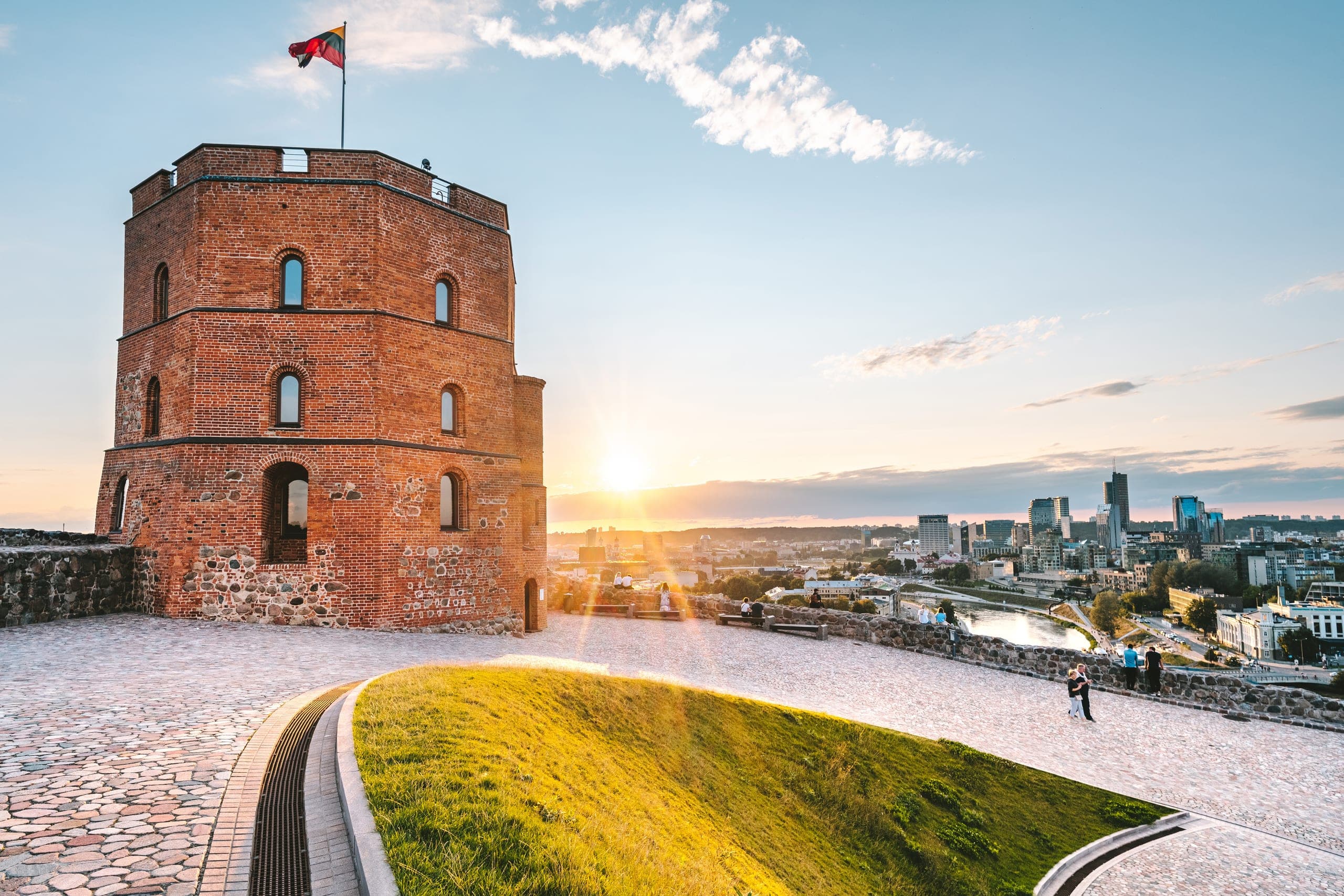 Photo: Andrius Aleksandravičius
Start with baroque Vilnius and Trakai's island castle, then make room for the Curonian Spit, the lake country or a long lunch worth the detour. Every tour below is private, and each one bends around what interests you.
Pick the one that sounds most like you. Each leads to a guide, and each can be built into a private route.
Cold beetroot soup in June, kibinai pastries in Trakai, smoked fish on the Spit. Read what to eat and where, then tell us what you would like to taste on the way.
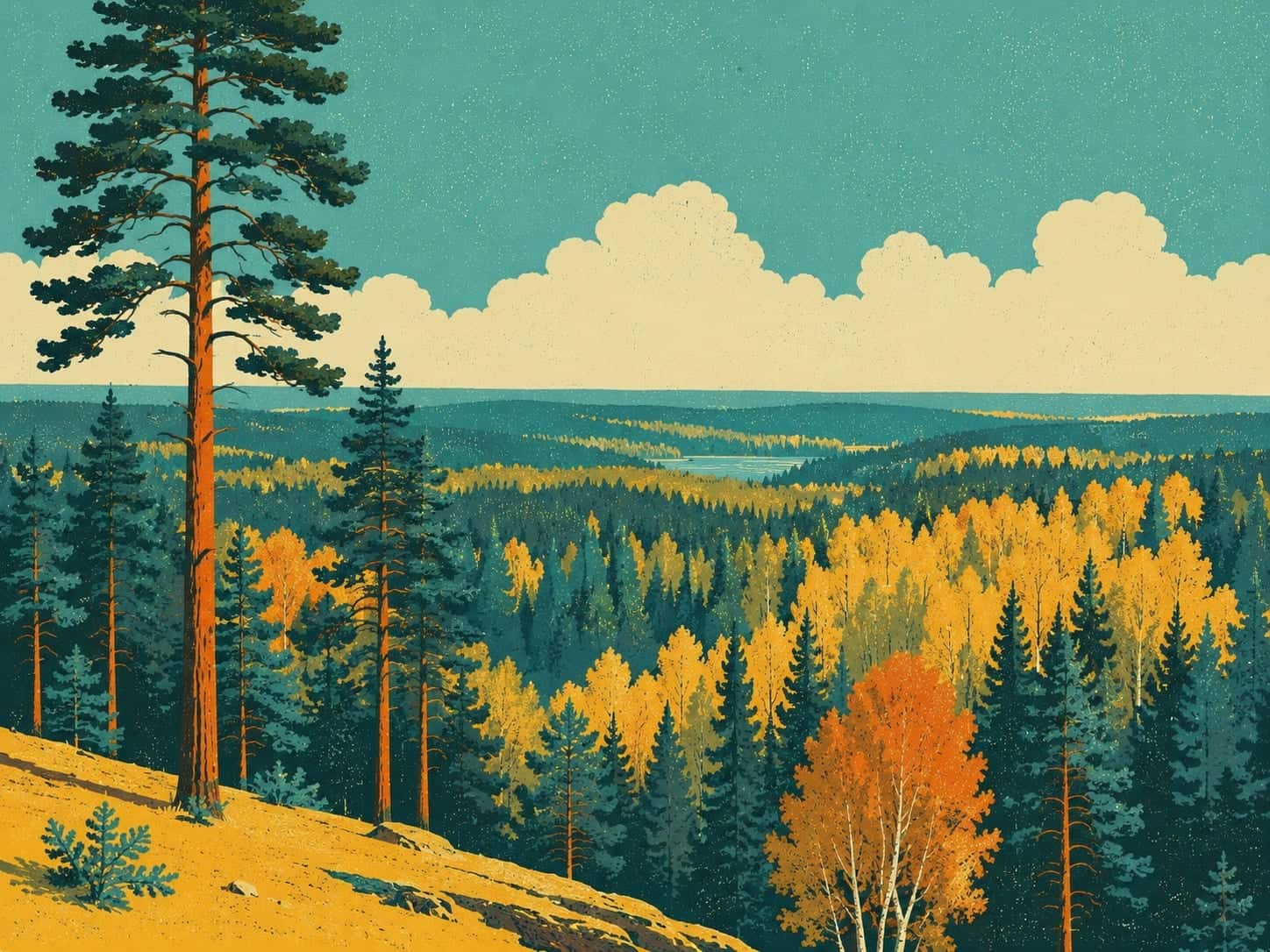
Explore Lithuanian foodA third of the country is forest, and there are thousands of lakes. Leave a slower day between the cities, and tell us whether you want a gentle walk or something longer.
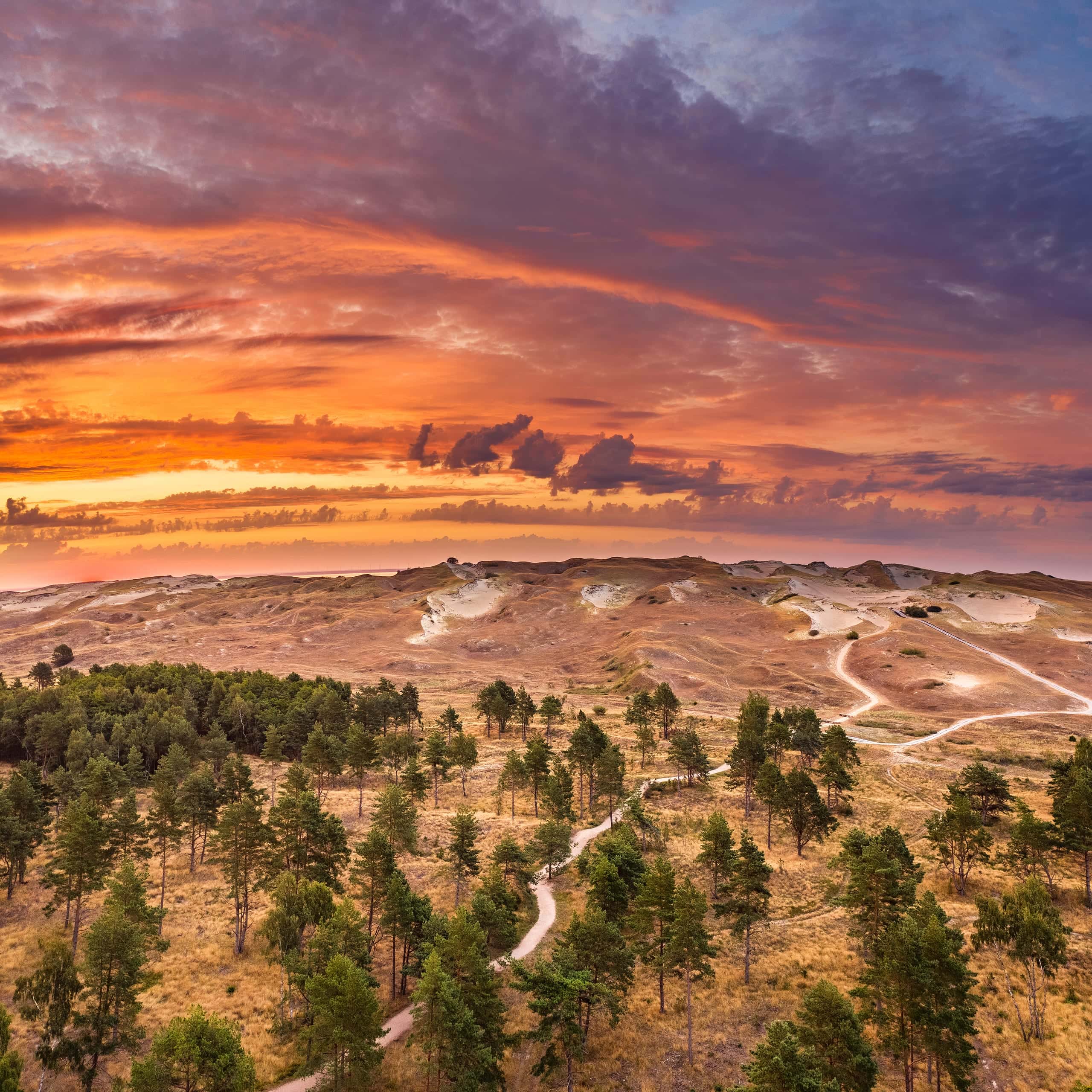
Explore the countrysideGive the Curonian Spit time of its own. Dunes, wooden fishing villages, the lagoon. Nida, at its far end, is four hours or more from Vilnius, so give it two nights at least.
Plan time on the coastEach is privately guided, designed by the local team, and bookable in any week of the named season. Use them as a starting point: every itinerary can bend.
The three areas a trip is planned around. A week can take in all three, and a slower trip can settle into one.
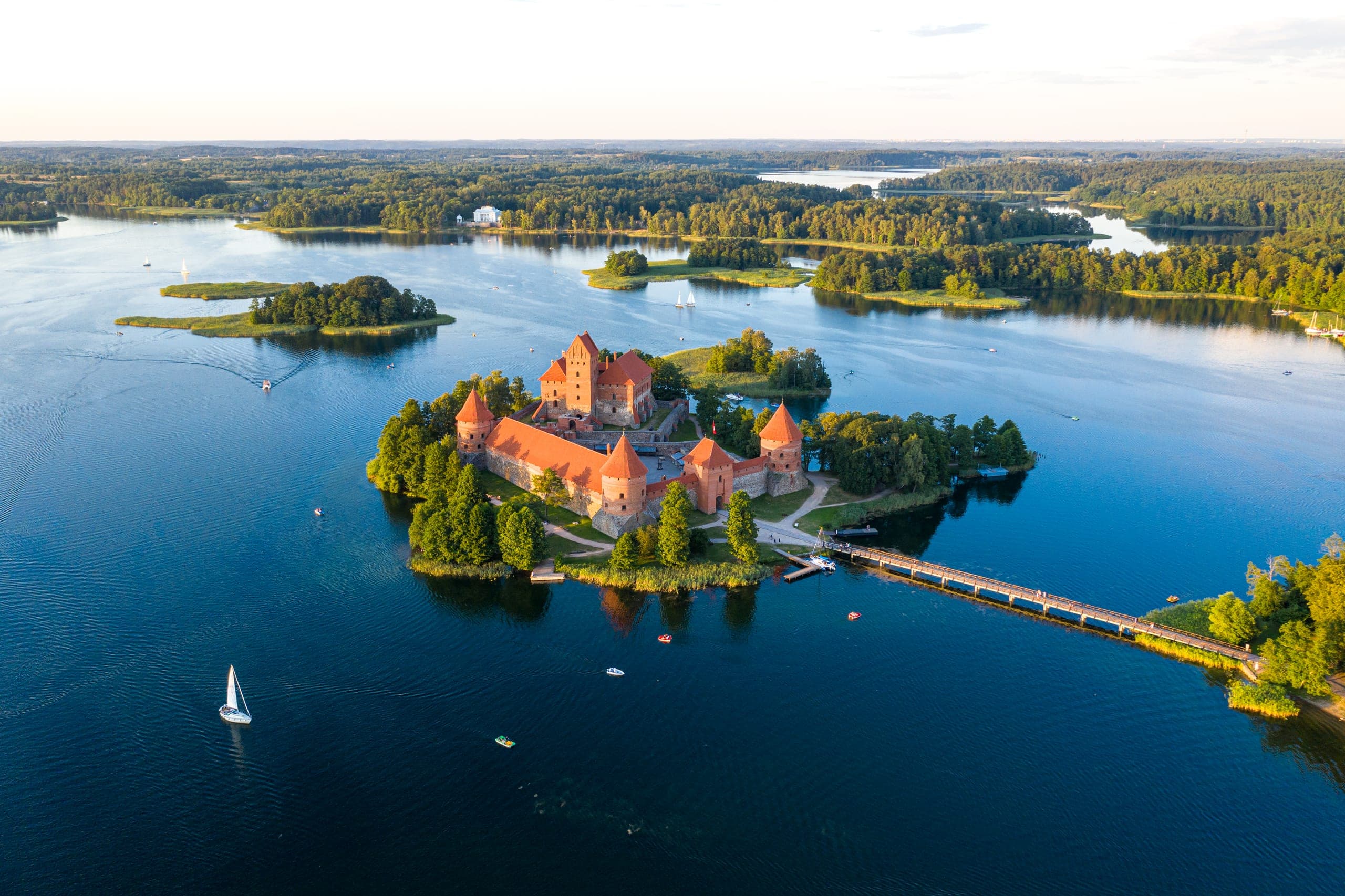 Photo: Giedrius Akelis
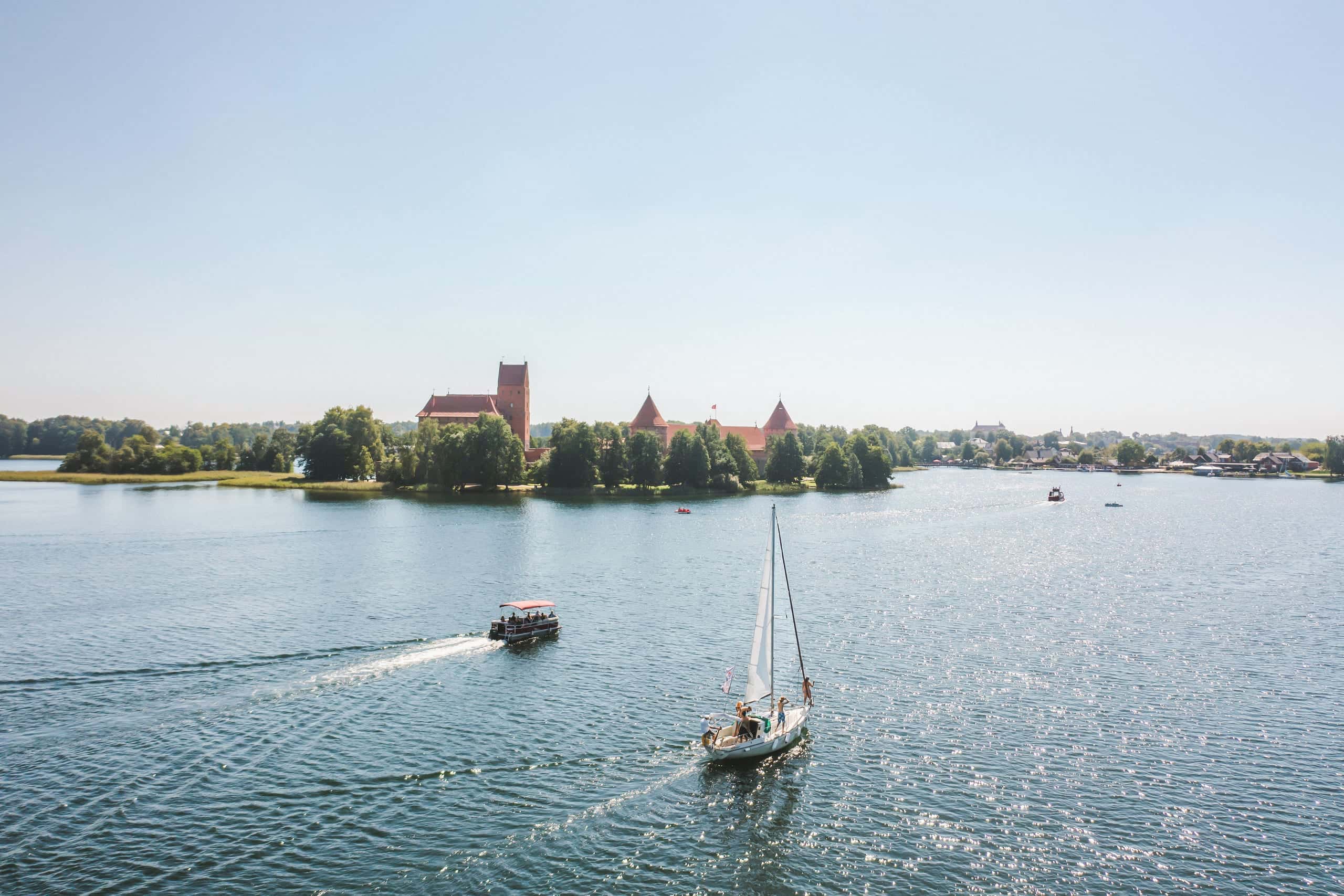
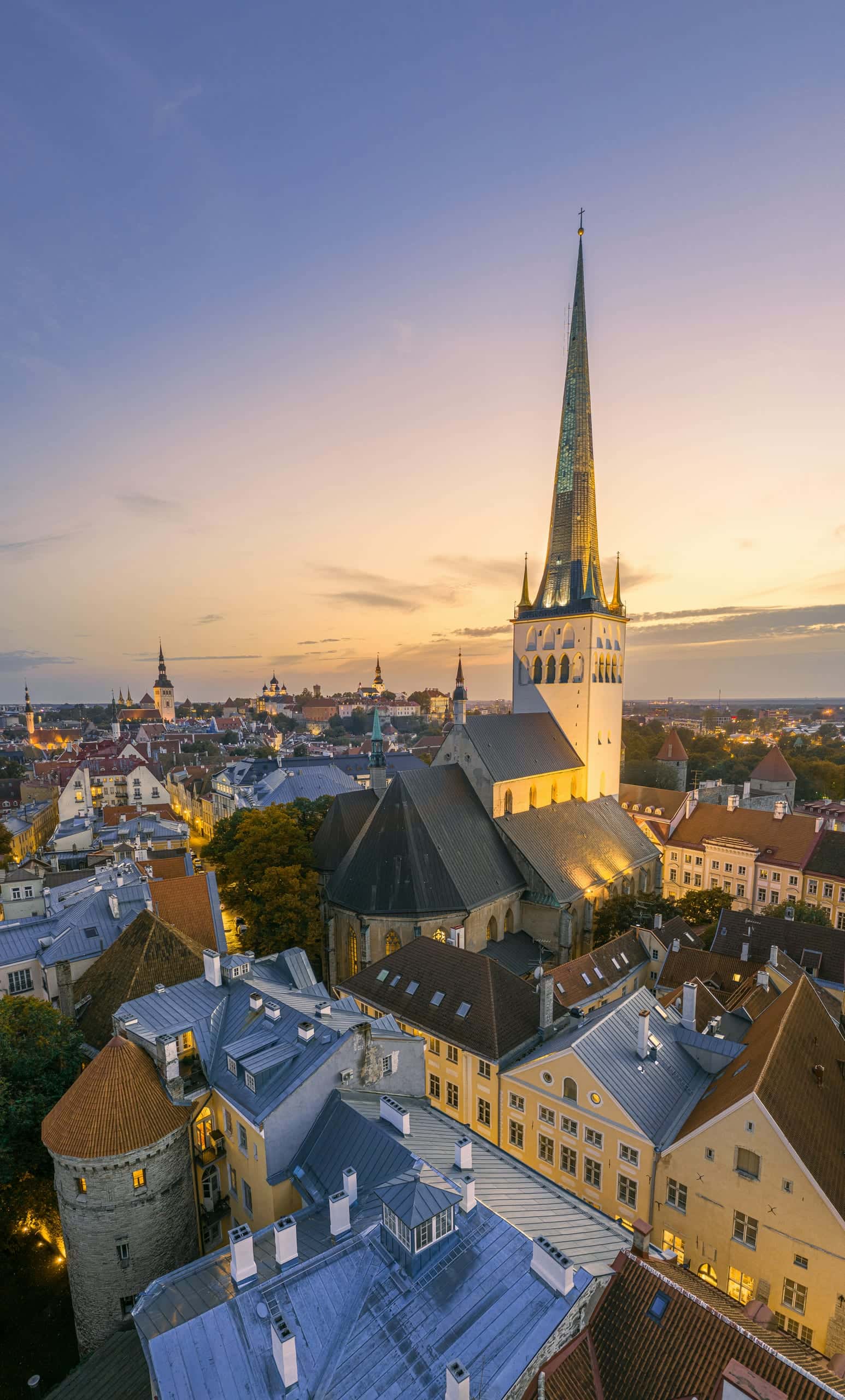
Vilnius is the base. Trakai's island castle is half an hour away, Kaunas about an hour and a quarter, and the lakes of Aukštaitija national park under two hours: day trips, back to the same hotel.
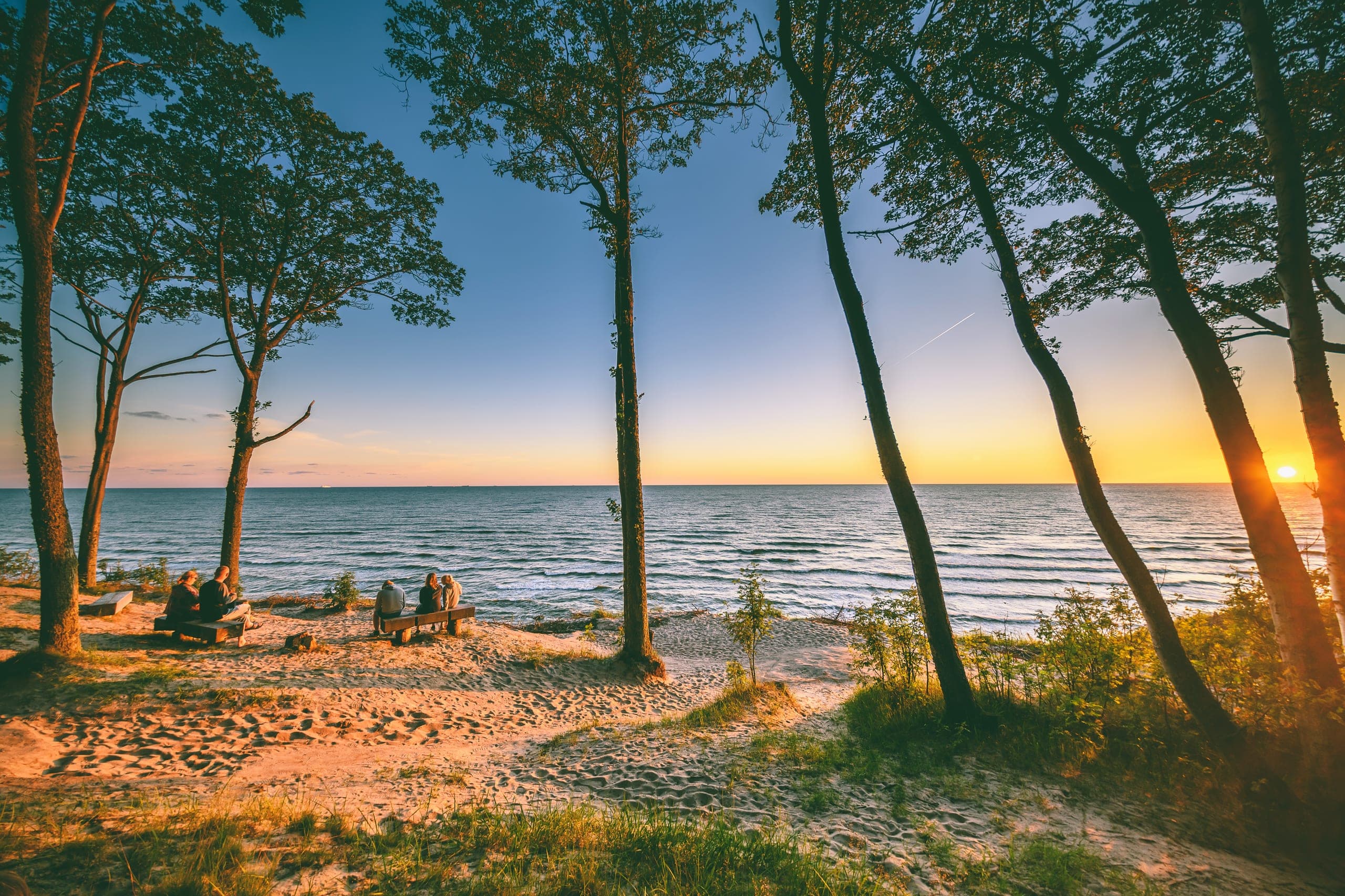 Photo: Andrius Aleksandravičius / Lithuania Travel
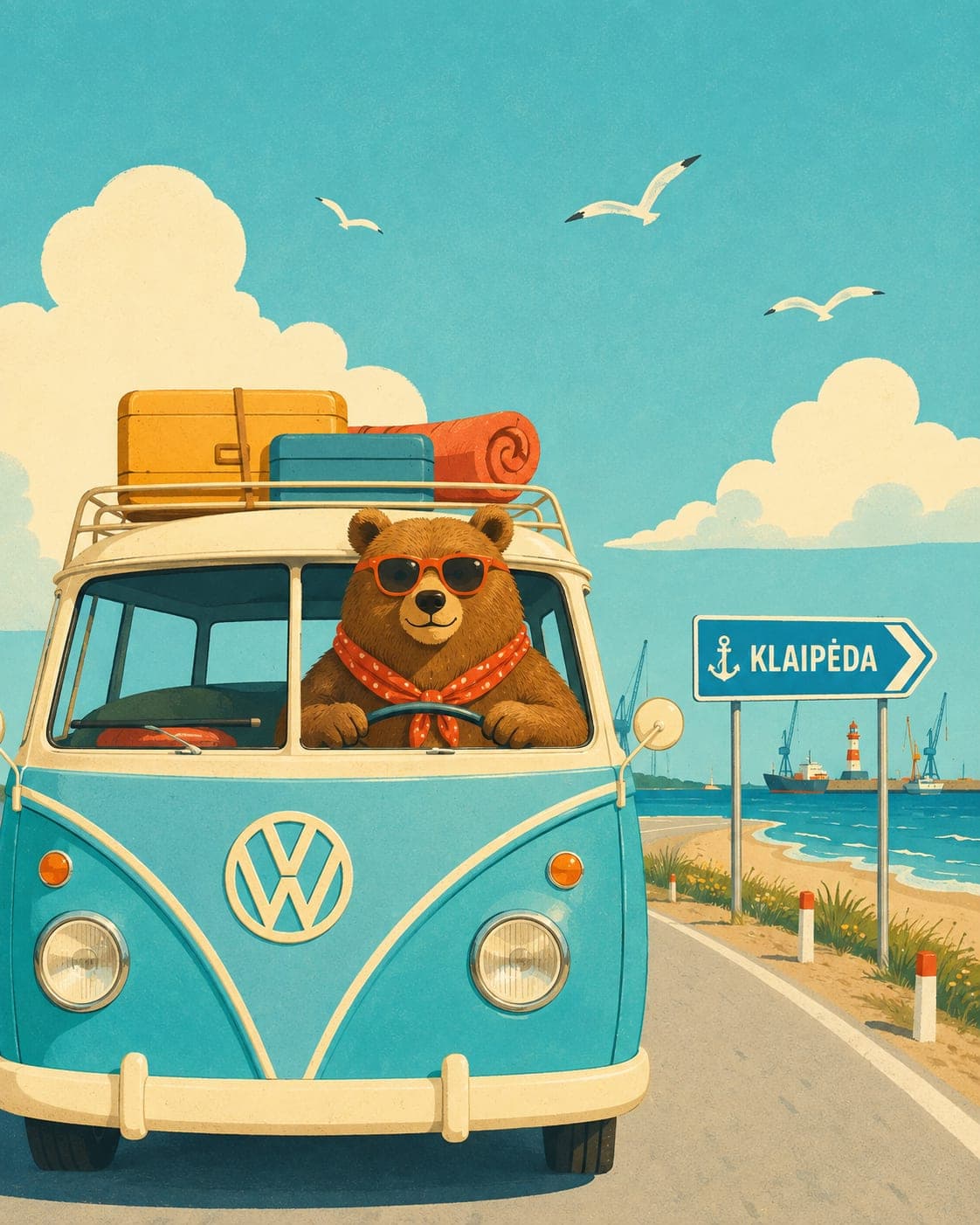
Klaipėda, Palanga and the Curonian Spit are three to four hours west of Vilnius. Stay on the coast rather than drive back: Nida for the dunes and the lagoon, Klaipėda for the old port.
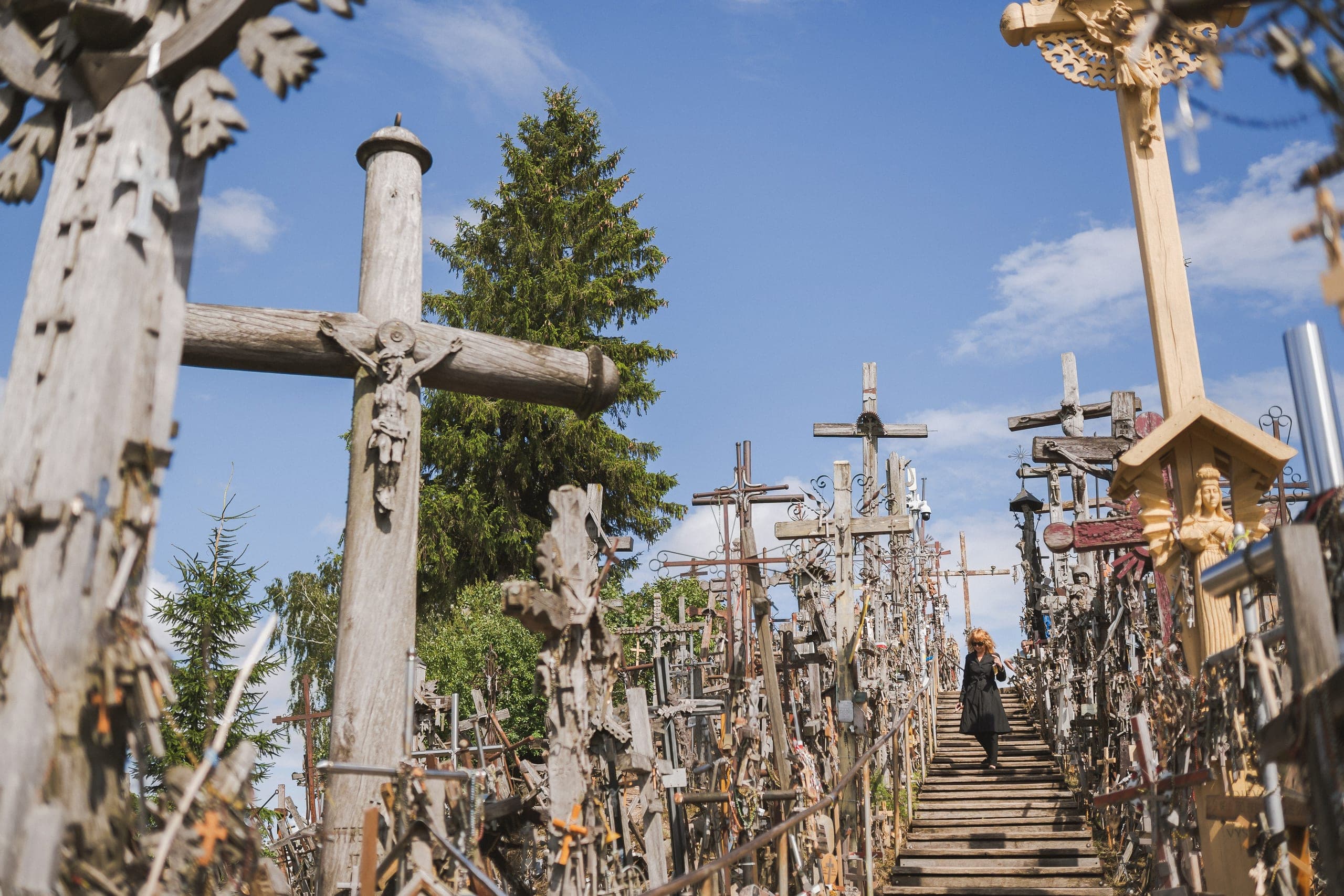 Photo: Simas Bernotas
The Hill of Crosses near Šiauliai and the lake at Plateliai sit near the northern road between Vilnius and the coast. They work best as stops on the way, not as return trips from the capital.
Five amber months of long light and warm sea, four blue months of dark, and three shoulder weeks at either end that quietly outshine the rest.
More on the seasonsThe best time to visit the Baltics.
Three guides that answer most of the questions people ask us first.
Three to four days covers Vilnius, Trakai and Kaunas, all within about an hour and a quarter of the capital. A week adds the coast: the Curonian Spit is four hours or more from Vilnius and needs two nights of its own, with the Hill of Crosses as a stop on the way.
Vilnius has one of Europe's largest baroque old towns, a UNESCO World Heritage site. Lithuania is also known for the Hill of Crosses, the sand dunes of the Curonian Spit, amber, and a deep tradition of basketball.
Late May through September for warm, long days. June brings midsummer celebrations, and September offers golden forests with fewer crowds.
Yes. Vilnius pairs a remarkably intact baroque old town with a creative, low-key modern city, and it is far less crowded than better-known European capitals.
Yes, always private and never a group bus: one guide, one vehicle, your pace. A short Lithuania tour anchors on Vilnius with day trips to Trakai and Kaunas. Longer tours add the Curonian Spit, the Hill of Crosses and the Žemaitija lakes, or continue north into Latvia and Estonia.
Our private Lithuania tours start at $1,679 (€1,435) per person for four days on the Curonian Spit and $2,662 (€2,275) for seven days across the whole country, with guide, driver and hotels included. Travelling independently, budget roughly €50 to €70 a day on a budget and €110 to €160 at a comfortable mid-range level, per person before flights. Lithuania is among the better-value countries in the EU.
Yes. Vilnius, Trakai and Kaunas fill three or four days, and the Curonian Spit on the coast is a full trip in itself. Many travellers combine Lithuania with Latvia and Estonia in one loop, since Riga is under four hours away by private car, but Lithuania is the richest of the three for a single-country tour.
Everything you would otherwise have to ask. The rest, your guide will know.
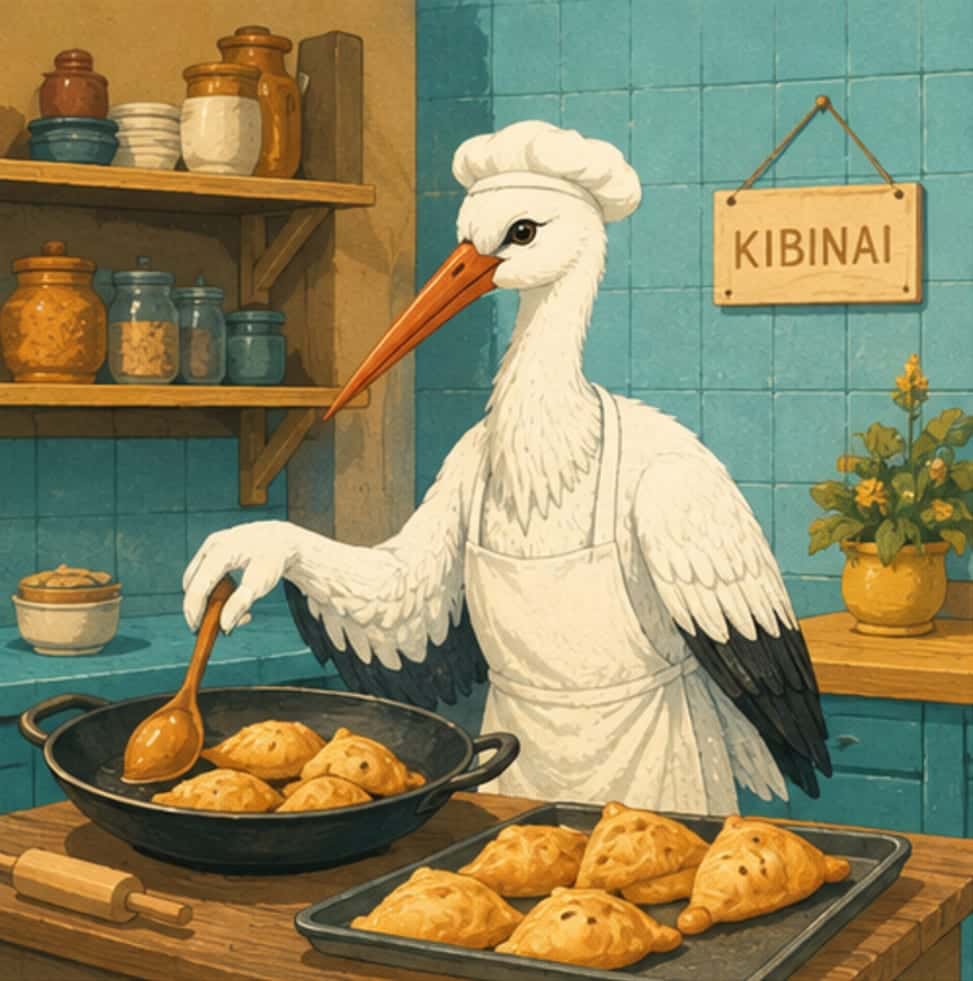
The stork is our host in Lithuania. It is the national bird, and you will see its nests on poles and rooftops along the country roads.
Two ways in: a long weekend in Vilnius and the lake country, or a slow week down the coast to the Curonian Spit. Either is a good first chapter.