The world's densest Art Nouveau city, a belle-époque sea spa, a palace opened after hours, and the wide waterfall at Kuldīga.
Latvia
Best of Latvia
6 daysCulturalPrivate
- Latvia
RigaJūrmalaRundāleCēsisKuldīga
from$2,334(≈ €1,995)
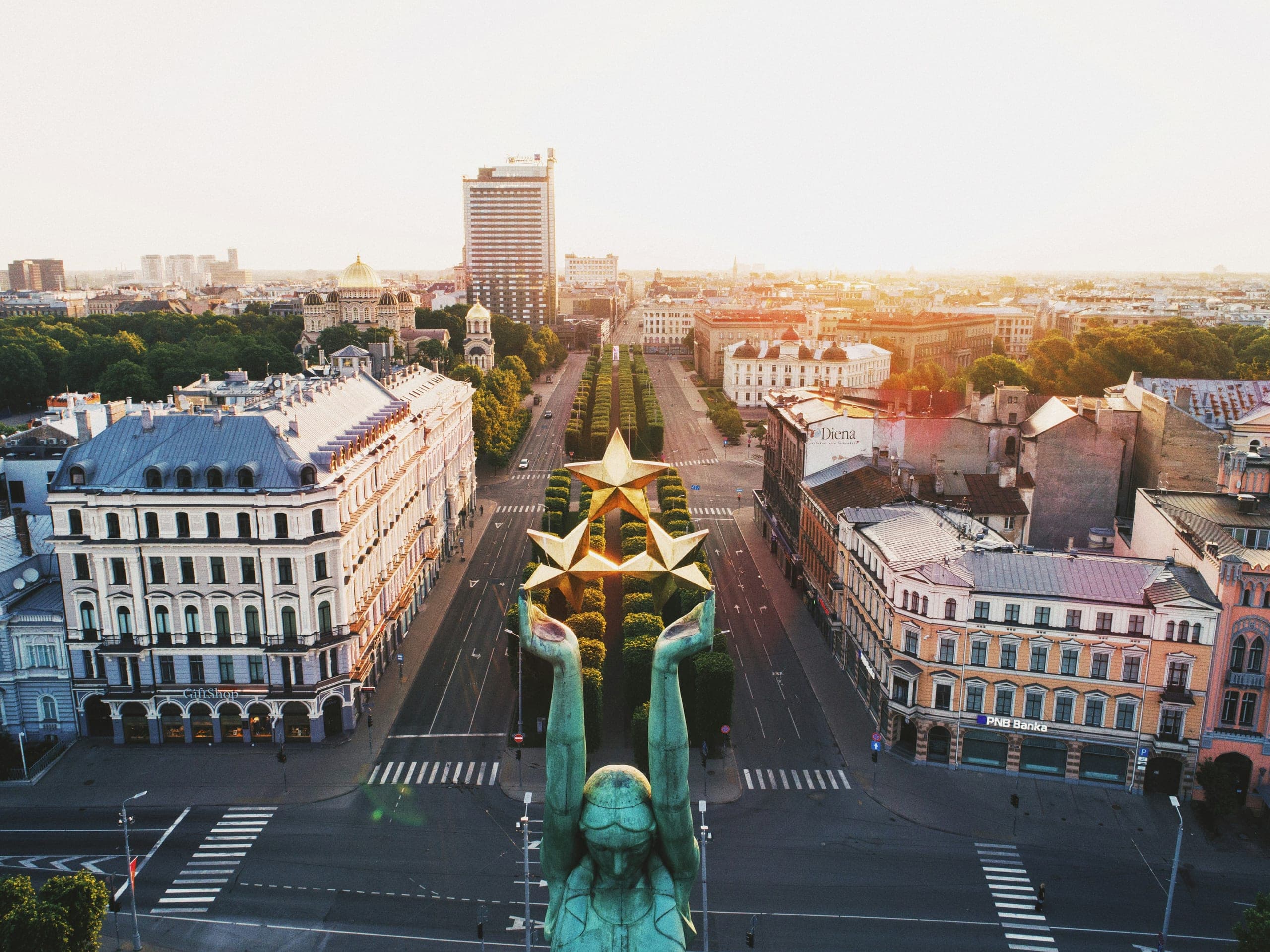
The middle country, the architectural capital, and a forest so deep that bears still pass through. Riga is the unmissable city.
Pick the one that sounds most like you. Each leads to a guide, and each can be built into a private route.
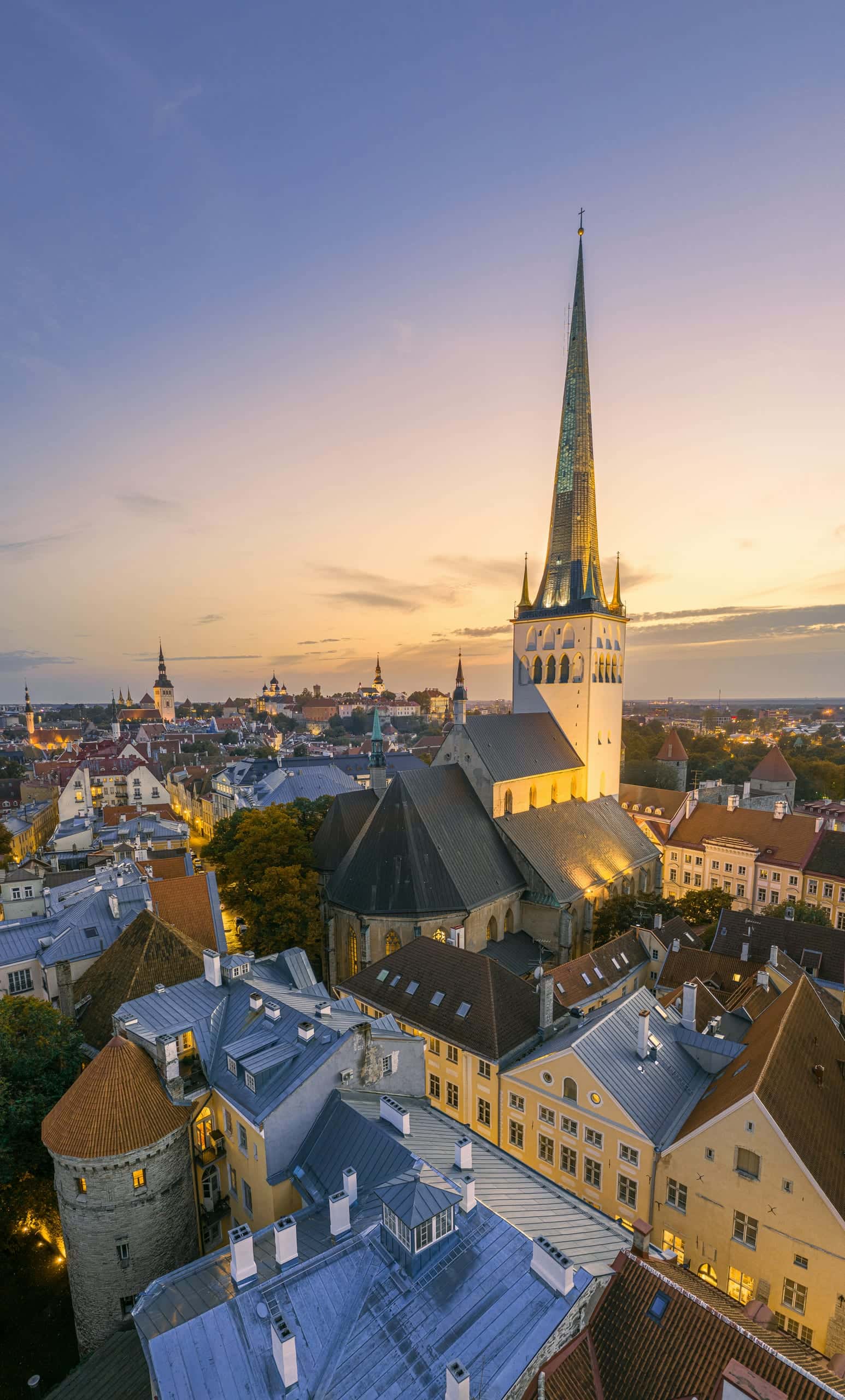
More than 750 Jugendstil facades stand in the centre, the densest run of them anywhere. Walk Alberta iela slowly, then tell us how much of a day you want to give it.
Explore RigaRundale is the baroque one everyone names, but the country keeps quieter manor houses too, and Daugavpils shows original Rothkos in the town where he was born.
Explore the manor countryMore than half the country is forest and the shore runs 498 km, flat and pine-backed. Leave a day for the Gauja valley or a bog boardwalk, and say which pulls you.
Explore wild LatviaEach is privately guided, designed by the local team, and bookable in any week of the named season. Use them as a starting point: every itinerary can bend.
The three areas a trip is planned around. A week can take in all three, and a slower trip can settle into one.
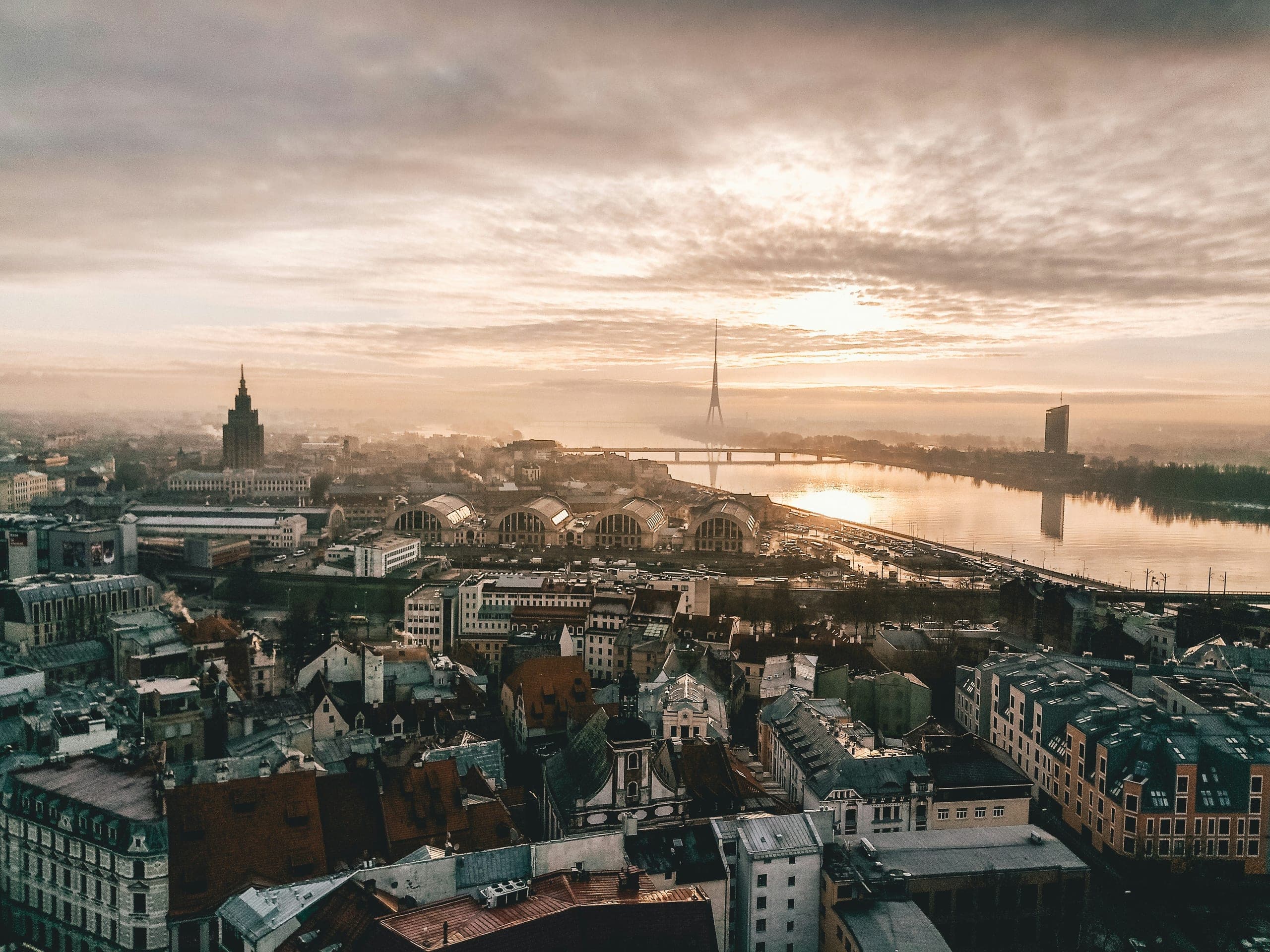
The Hanseatic Old Town, the Art Nouveau quarter, the Central Market, and the long pine-and-sand beach at Jūrmala, twenty minutes by suburban train.
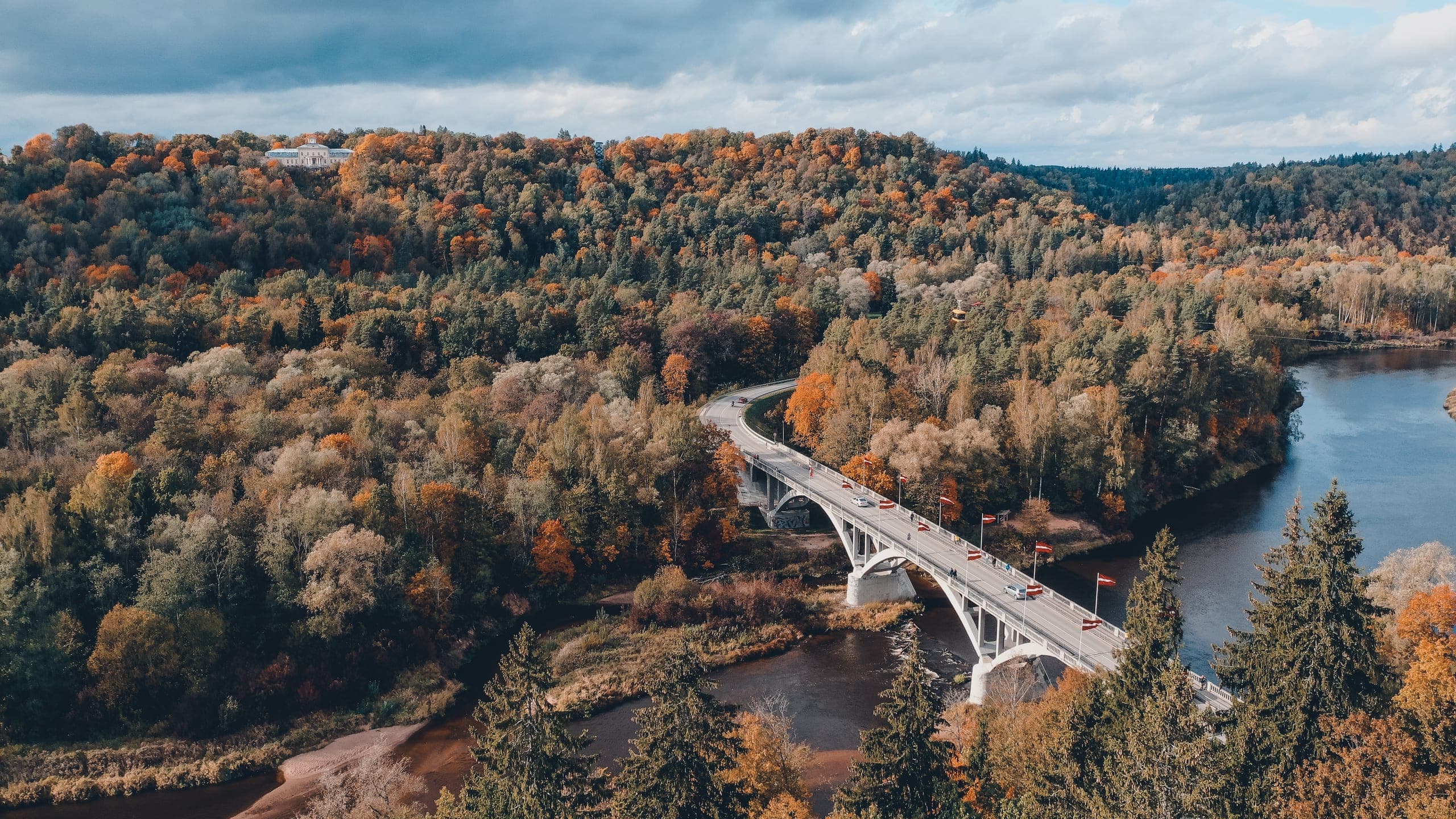 Photo: Kristaps Ungurs
Sigulda, Turaida castle, the bobsleigh run at Mežaparks, and the medieval town of Cēsis, all in eastern Latvia. The country's most scenic river valley and oldest national park.
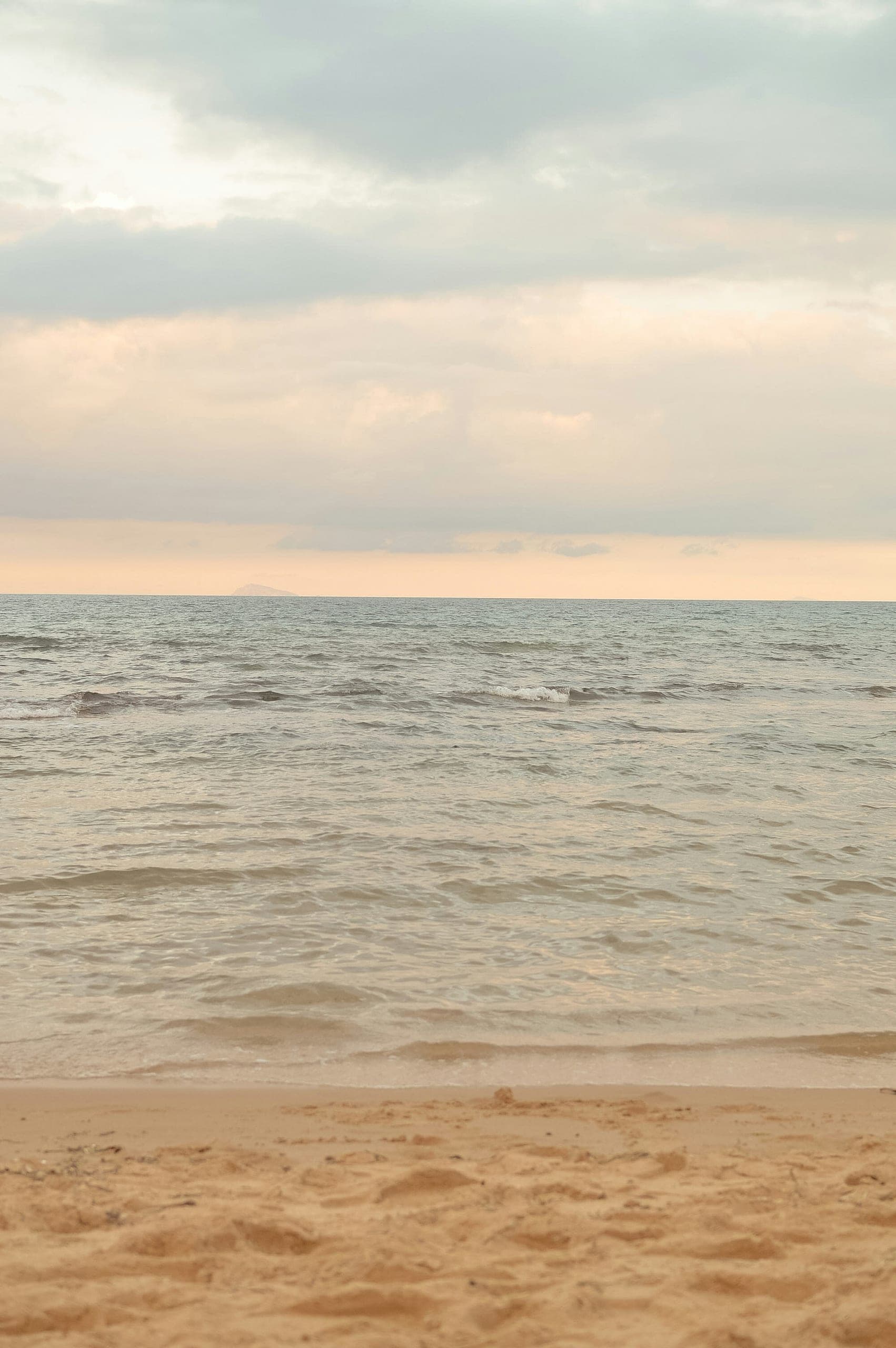
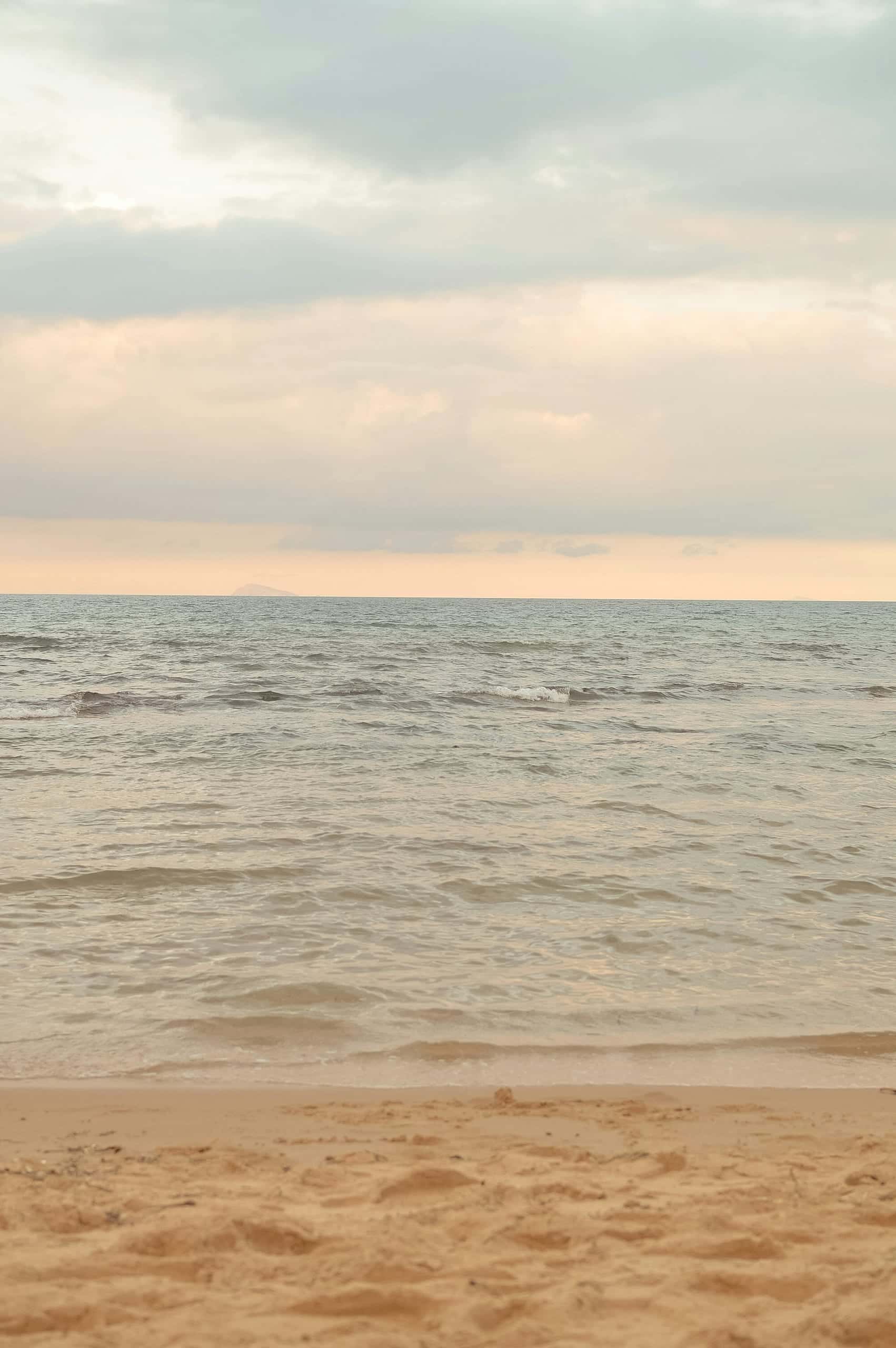
The Liv coast, Cape Kolka where the Baltic and the Gulf meet, the white dunes at Jūrkalne, and Kuldīga's wide, low waterfall (Europe's broadest).
Five amber months of long light and warm sea, four blue months of dark, and three shoulder weeks at either end that quietly outshine the rest.
More on the seasonsThe best time to visit the Baltics.
Three guides that answer most of the questions people ask us first.
Two to three days for Riga and a day trip to the Gauja Valley or the seaside at Jūrmala. Add a day or two for Rundāle Palace and the wilder Latvian coast.
Riga holds the world's densest concentration of Art Nouveau architecture, a UNESCO World Heritage old town, and the vast Central Market in former zeppelin hangars. Latvia is also known for its forests, choral singing tradition, and Baltic coastline.
May to September for the warmest weather and the lively Riga terrace season. The Midsummer festival of Jani in late June is the highlight of the Latvian calendar.
Yes. Riga is the largest of the three Baltic capitals and the architectural showpiece of the region, combining a medieval core with spectacular Art Nouveau boulevards.
Yes, always private and never a group bus: one guide, one vehicle, your pace. A short Latvia tour usually anchors on Riga, with day trips to Jūrmala or the Gauja Valley. Longer tours add Rundāle Palace, the Kurzeme coast, or a loop through Lithuania and Estonia.
Yes. Riga alone fills three or four days: the Art Nouveau quarter, the Old Town, the Central Market, Jūrmala's beach twenty minutes out. Most Latvia vacations we plan do combine it with Lithuania and Estonia into one loop, since the capitals sit two to four hours apart by private car, but Latvia stands on its own for travelers who want just that.
Travelling independently, roughly €50 to €70 a day for budget, €120 to €180 mid-range, and €300 and up at the high end, per person before flights. A privately guided Latvia tour sits above that because it includes the driver, the guiding and the logistics. Latvia is one of the better-value countries in the EU: well below Scandinavia and broadly comparable to Poland.
Yes. Latvia is an EU and NATO member with low violent crime, and the ordinary precautions you would take in any European city are enough. The Russian border sits well east of anywhere a visitor goes, and Riga, Jūrmala and the Gauja Valley are unaffected by it.
Latvia is in the EU and the Schengen Area, so one Schengen visa covers Latvia, Lithuania and Estonia together. EU and EEA citizens need no visa. Most other visitors, including from the UK, US, Canada and Australia, can enter visa-free for short stays, with ETIAS authorisation required once it takes effect.
Riga airport is the largest in the Baltics and the region's main hub, with direct connections across Europe. Most long-haul travellers connect through a European hub. Overland, Riga sits four hours from Vilnius and four to five from Tallinn, and we can drive either leg as a sightseeing day rather than a transfer.
Everything you would otherwise have to ask. The rest, your guide will know.
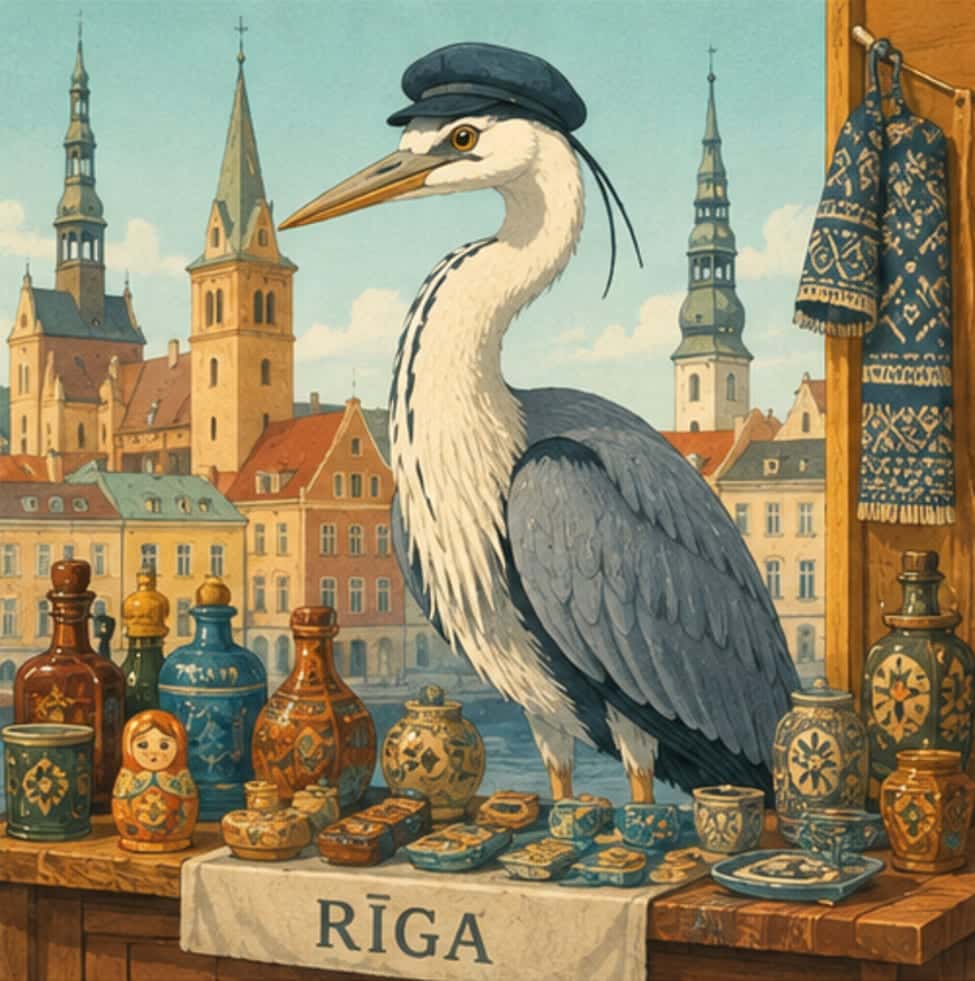
The heron is our host in Latvia. The real ones stand in the shallows of Latvia's rivers and lakes, as unhurried as the country.
Riga rewards a long weekend, the Gauja valley a slow week. Pair the two for a journey that moves from gold facades to forest castles in three hours of driving.