Hanseatic Tallinn from the wall up, a dawn bog-shoe walk, a smoke-sauna initiation, and the Relais & Châteaux manor on Muhu.
Estonia
Best of Estonia
6 daysCulturalPrivate
- Estonia
TallinnLahemaaMuhuSaaremaa
from$2,334(≈ €1,995)
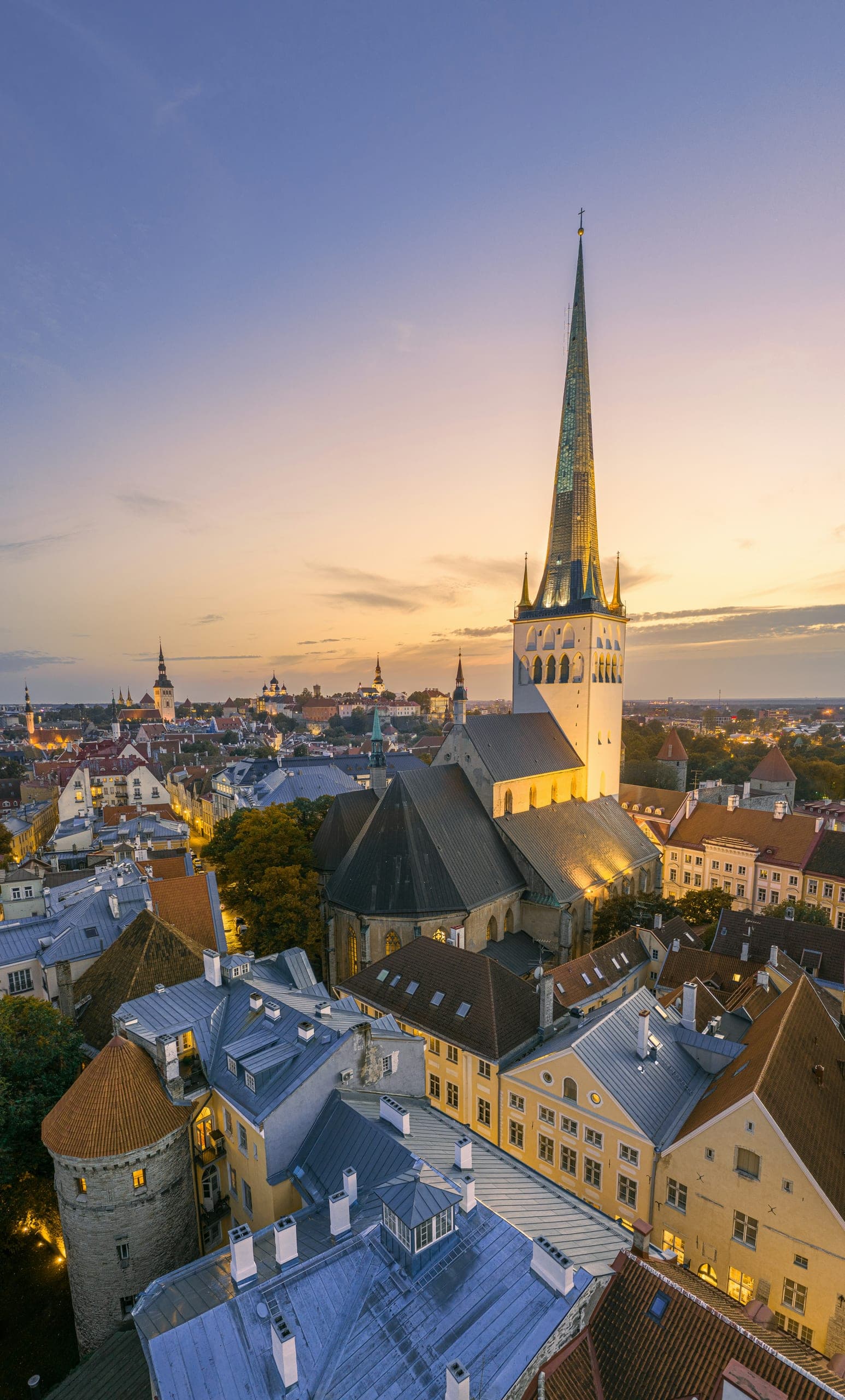
Closer to Helsinki than to Riga in temperament. Wooden churches on islands, raised bogs, and the most digital state in Europe.
Pick the one that sounds most like you. Each leads to a guide, and each can be built into a private route.
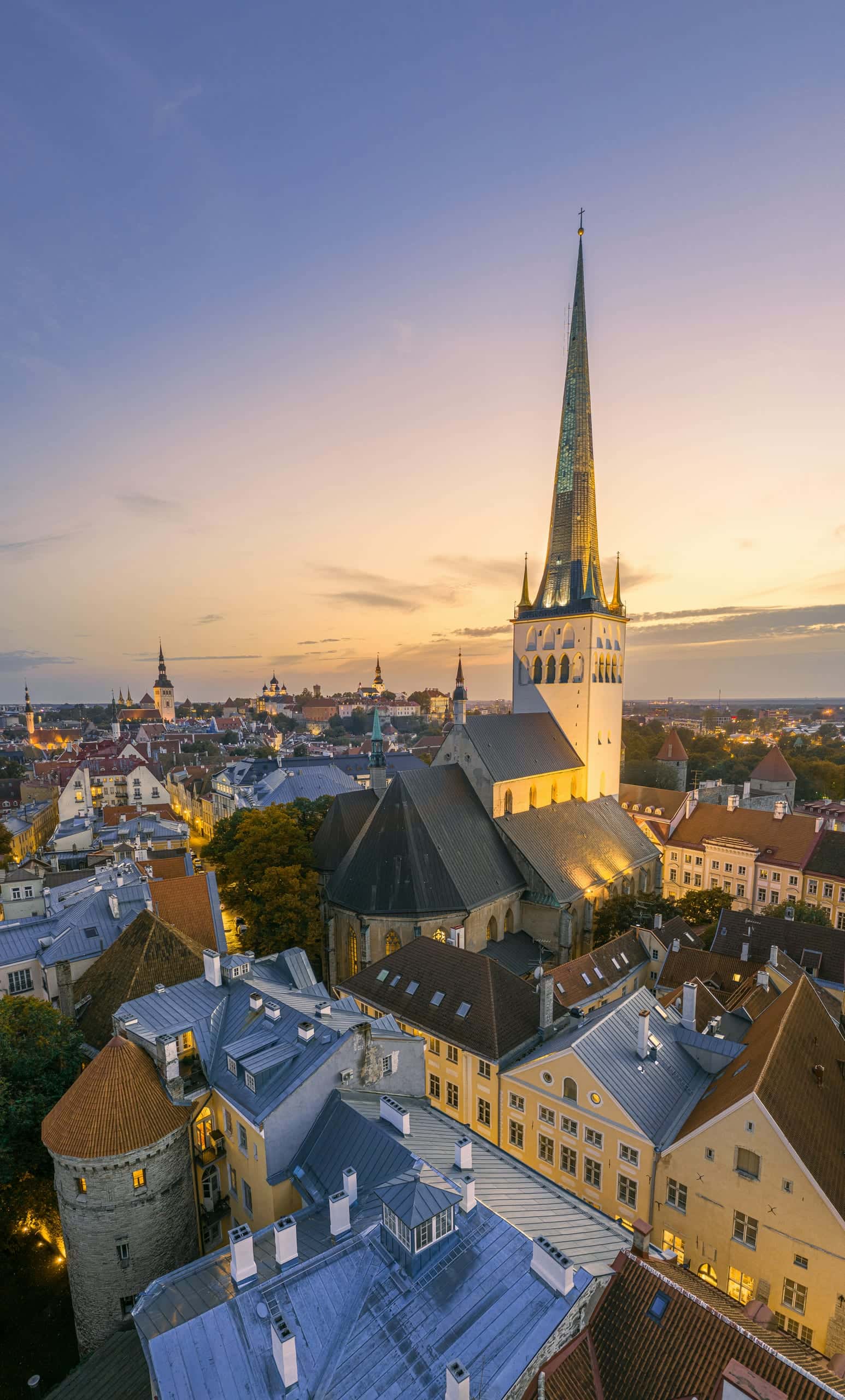
Walls, towers and merchant houses still stand, which makes this one of the best-preserved Hanseatic capitals in northern Europe. Two unhurried days suit it. Tell us how you like to see a city.
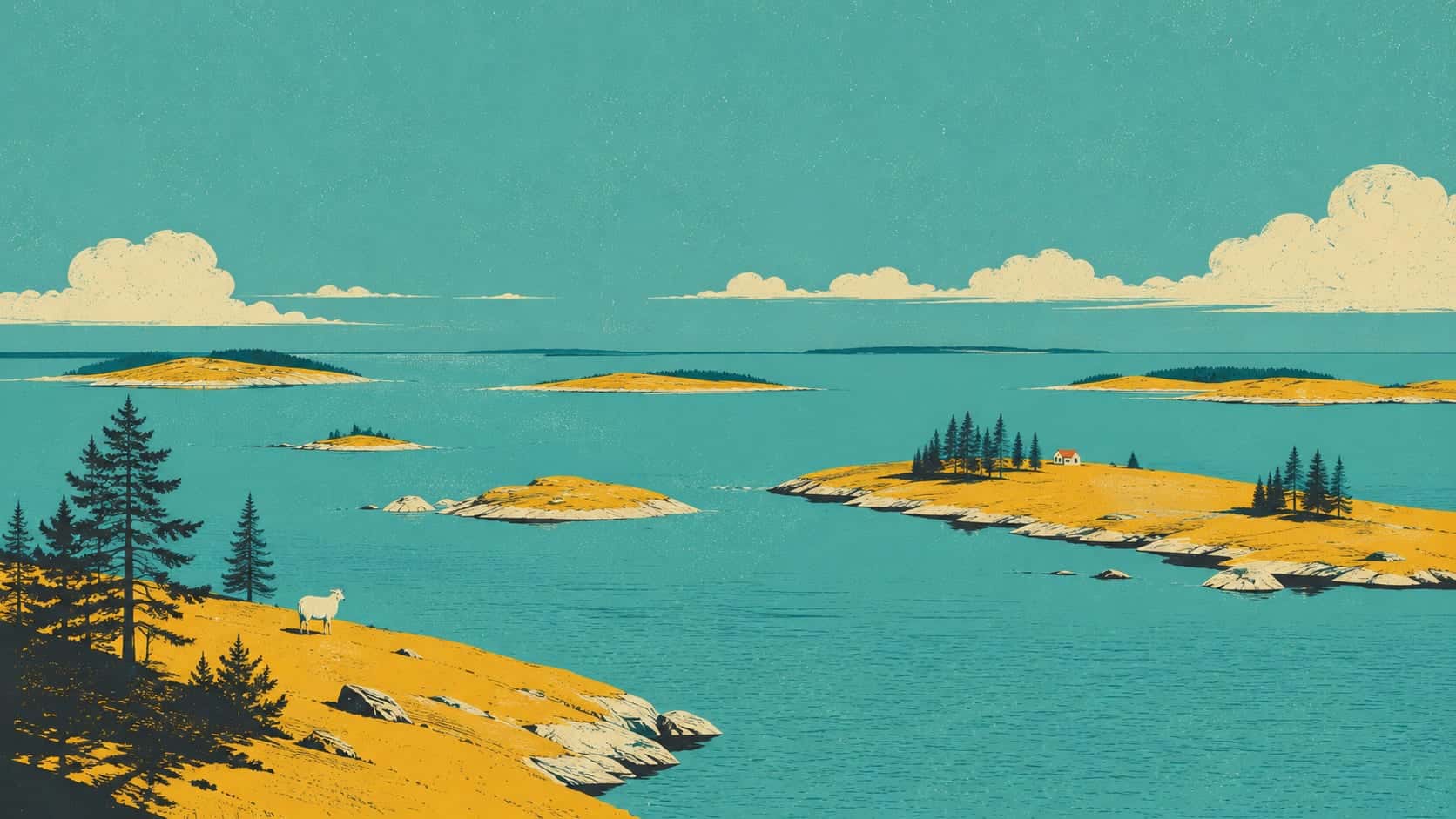
Explore TallinnSaaremaa and Hiiumaa run on ferry time: flat, thickly wooded, full of windmills and lighthouses. Give them three days, and say whether you would rather drive yourself or be driven.
Explore the islandsAbout half of Estonia is forest and a fifth is bog, crossed on plank boardwalks. The smoke sauna of the southeast is on the UNESCO list. Tell us how much quiet you want.
Explore the quiet sideEach is privately guided, designed by the local team, and bookable in any week of the named season. Use them as a starting point: every itinerary can bend.
The three areas a trip is planned around. A week can take in all three, and a slower trip can settle into one.
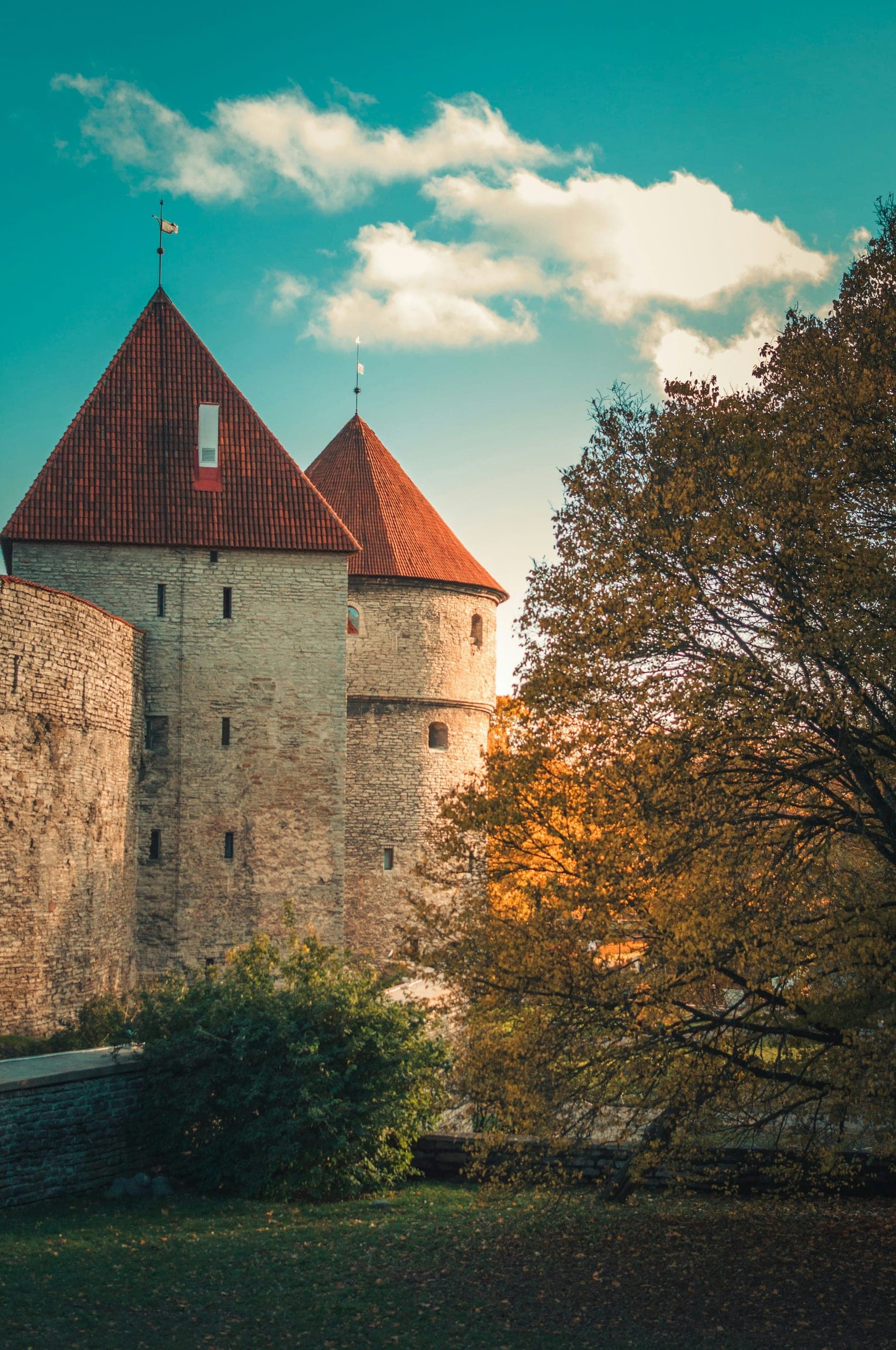
The medieval Old Town, Kalamaja's wooden quarter, and the rugged north coast: Lahemaa national park, Sagadi manor, and the limestone cliffs at Ontika.
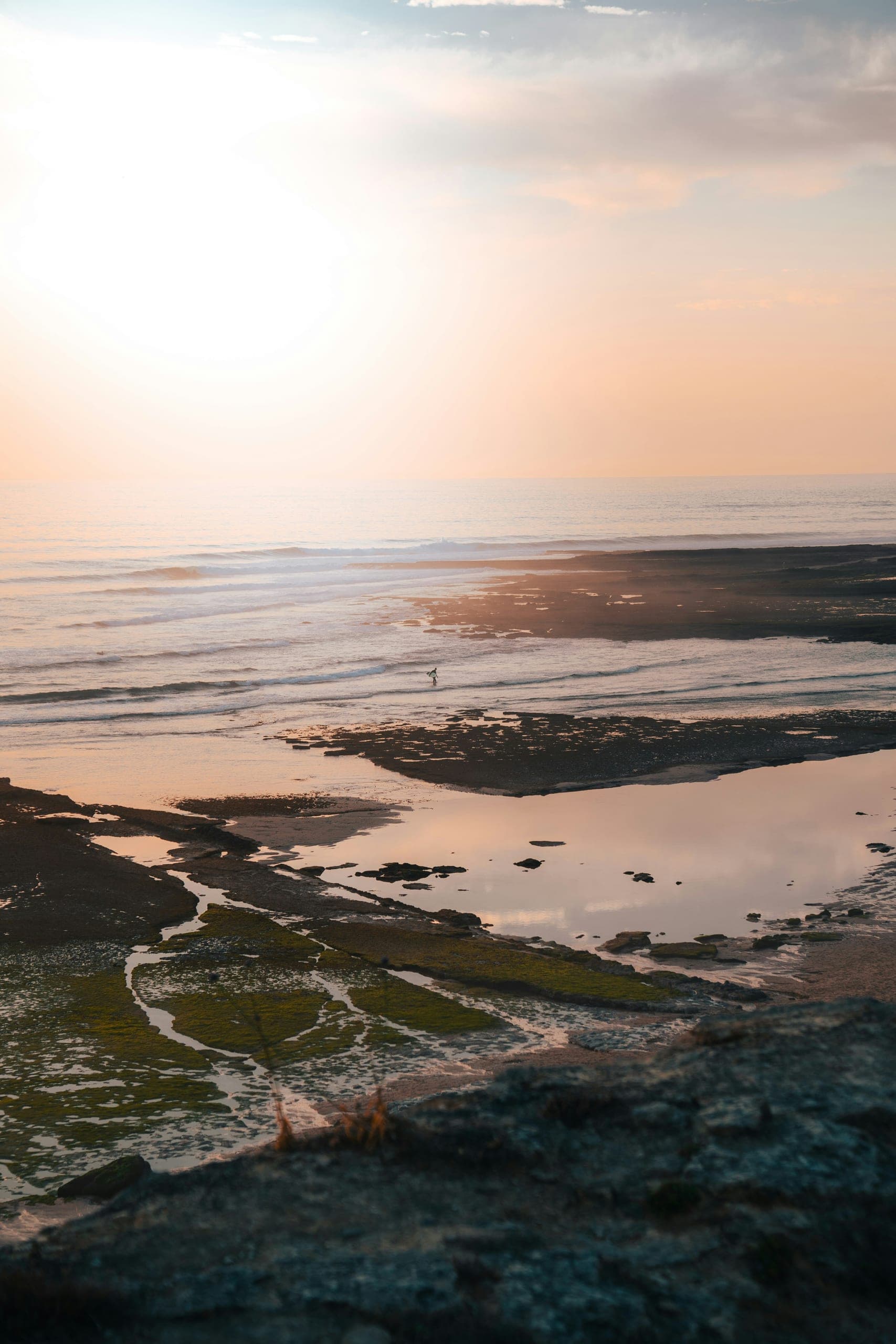
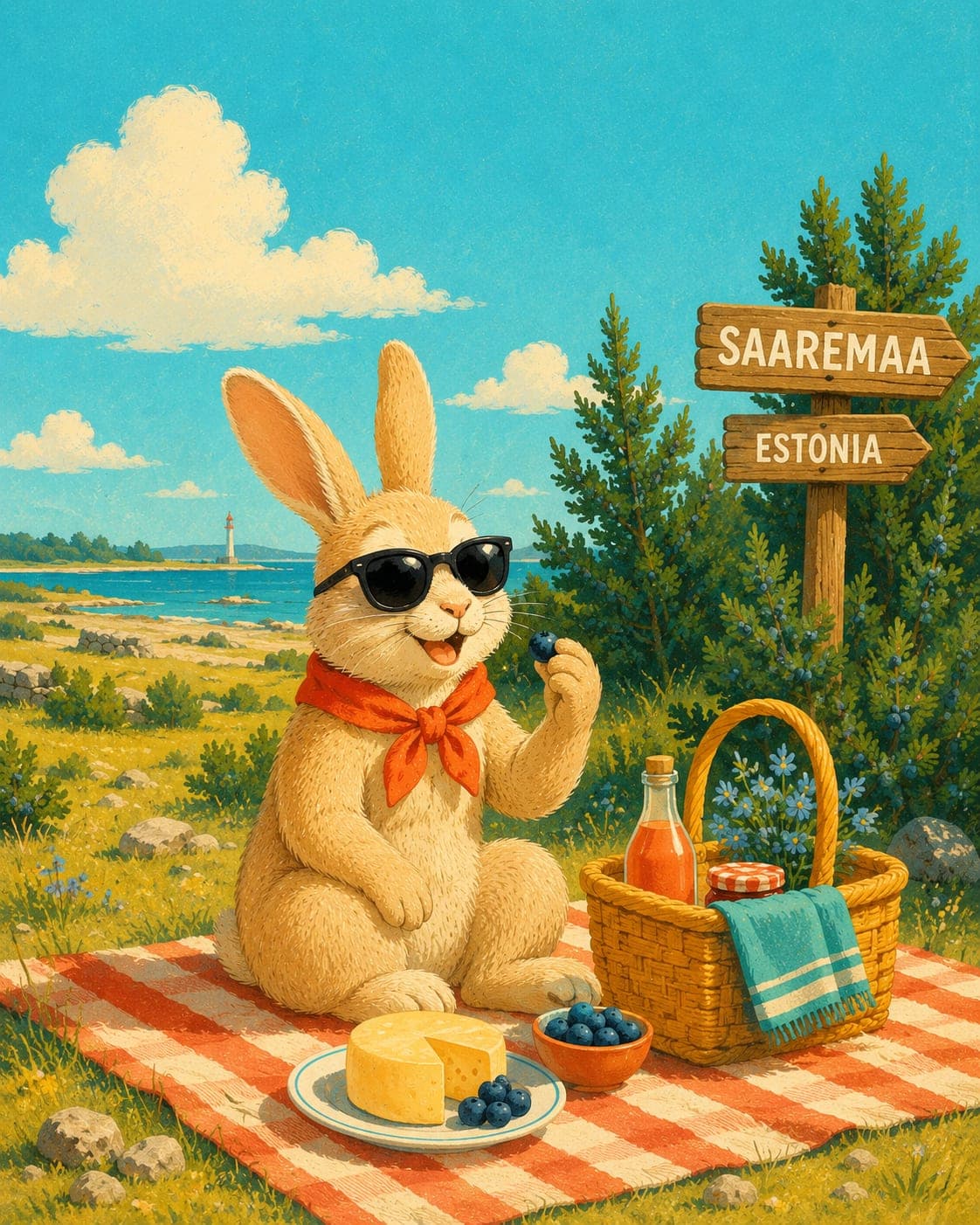
Two big, flat, slow islands in the western archipelago. Wooden windmills, Kõpu lighthouse (the world's third-oldest still in use), and roads where the deer outnumber the cars.
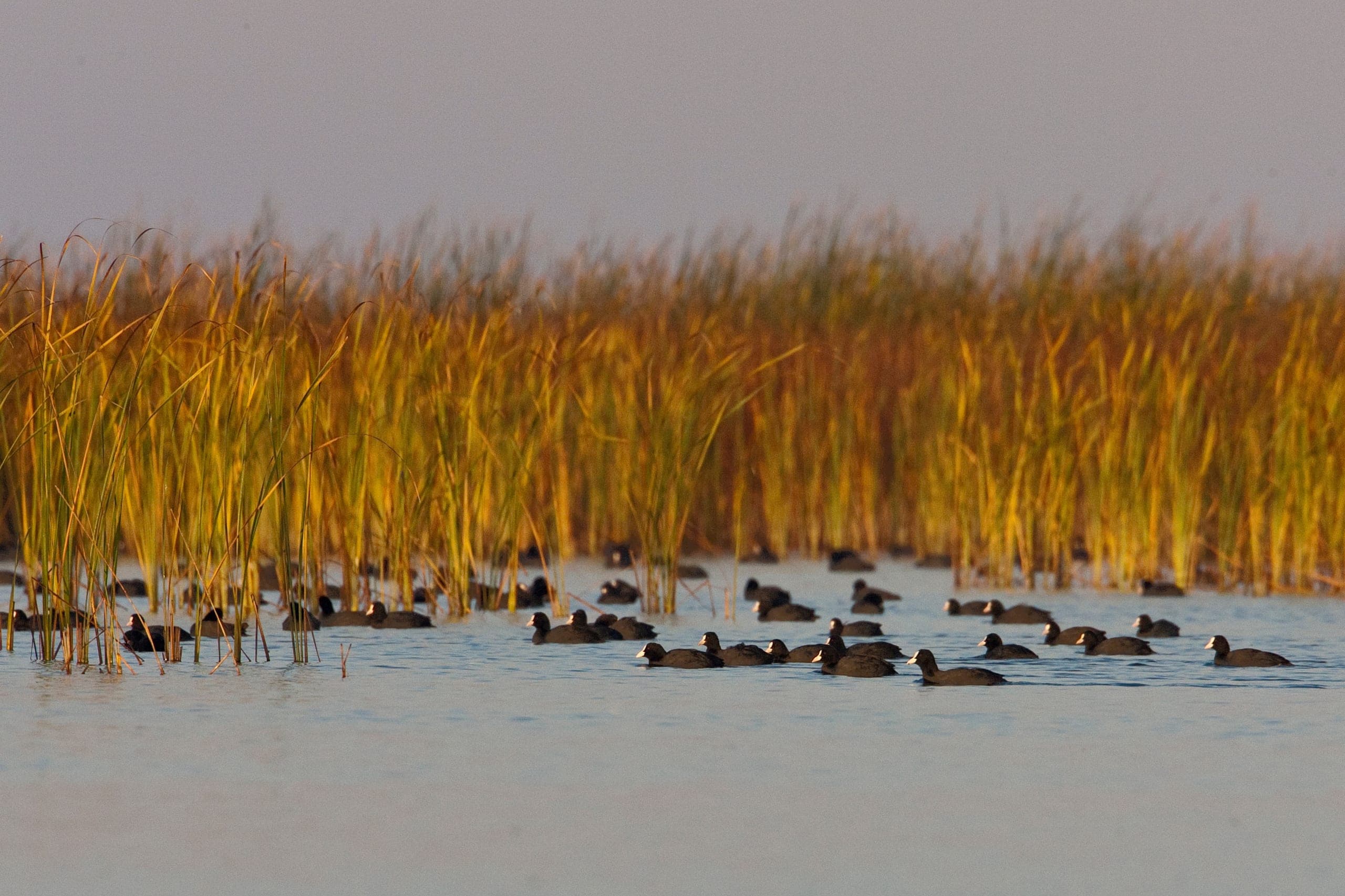 Photo: Mati Kose
Estonia's university town and the rolling hills of Setomaa and Võrumaa. Lake Peipus, Russian Old-Believer fishing villages, and smoke saunas you book by the cabin.
Five amber months of long light and warm sea, four blue months of dark, and three shoulder weeks at either end that quietly outshine the rest.
More on the seasonsThe best time to visit the Baltics.
Three guides that answer most of the questions people ask us first.
Two days for Tallinn, three to four to add Lahemaa national park, the university town of Tartu, or the islands of Saaremaa and Hiiumaa.
Tallinn has one of Europe's best preserved medieval old towns, a UNESCO World Heritage site. Estonia is also known as a digital pioneer, for its bogs and forests, the song festival tradition, and its quiet Baltic islands.
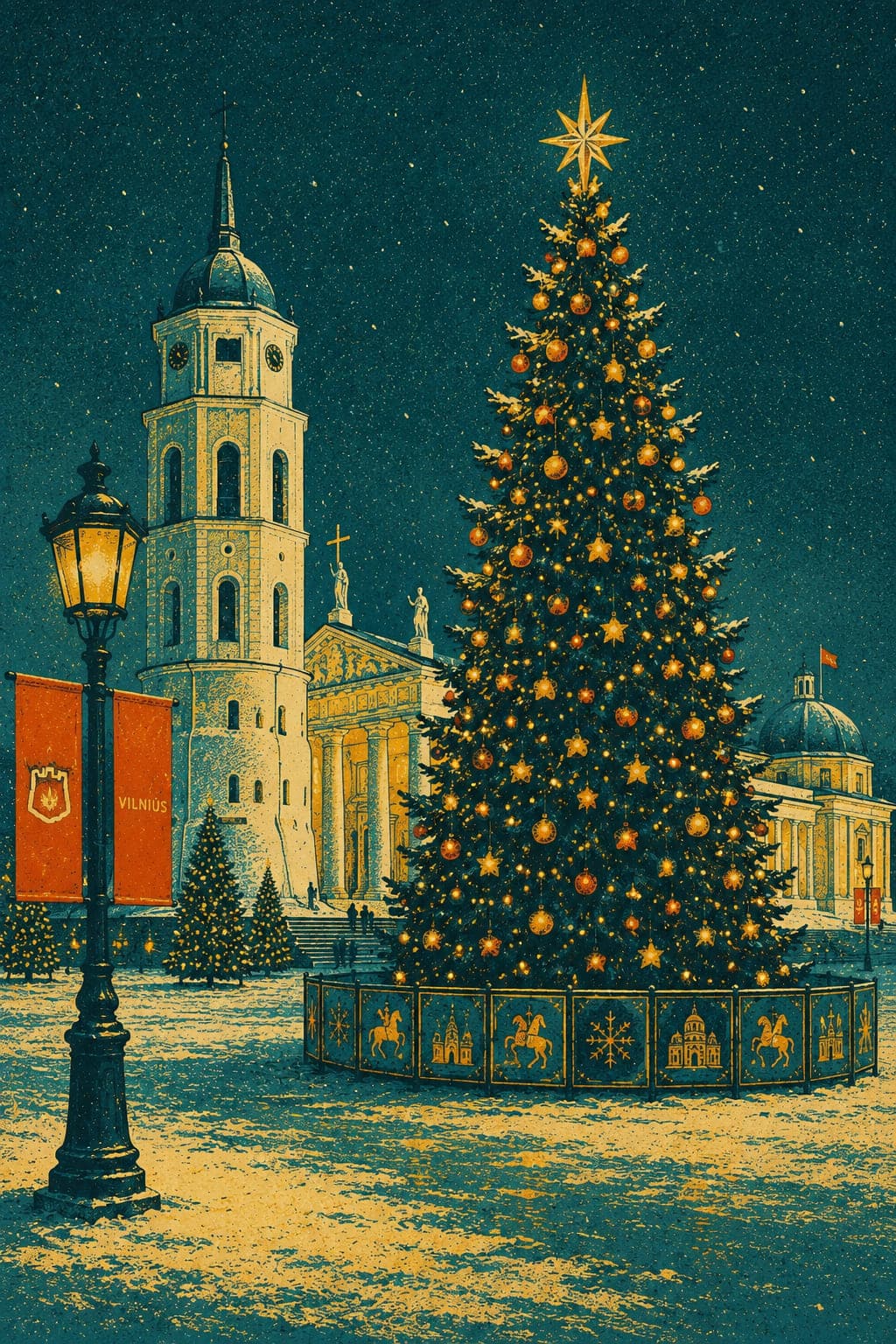
June to August for warm weather and the white nights, when it barely gets dark. September is calm and scenic, and December brings one of Europe's oldest Christmas markets to Tallinn's town square.
Yes. Tallinn is about two hours from Helsinki by ferry across the Gulf of Finland, which makes a full-day visit easy. We arrange the port pickup and a guided day in the old town.
Yes, always private and never a group bus: one guide, one vehicle, your pace. A short Estonia tour anchors on Tallinn with a day in Lahemaa National Park. Longer tours add Saaremaa and the islands, Tartu and the smoke saunas of Setomaa, or continue south into Latvia and Lithuania.
Our private Estonia tours start at about €800 per person for three days around Tallinn and Lahemaa, and around €2,450 for a six-day islands tour, with guide, driver and hotels included. Travelling independently, budget roughly €60 to €80 a day, €130 to €200 mid-range, per person before flights. Estonia is the priciest of the three Baltic states but still well below Finland across the water.
Yes. Tallinn's old town fills two days, Lahemaa a third, and the islands of Saaremaa and Muhu reward a slower week. Many travellers combine Estonia with Latvia and Lithuania in one loop, or pair Tallinn with Helsinki two hours away by ferry, but Estonia stands on its own for anyone drawn to coast, bog and islands.
Everything you would otherwise have to ask. The rest, your guide will know.
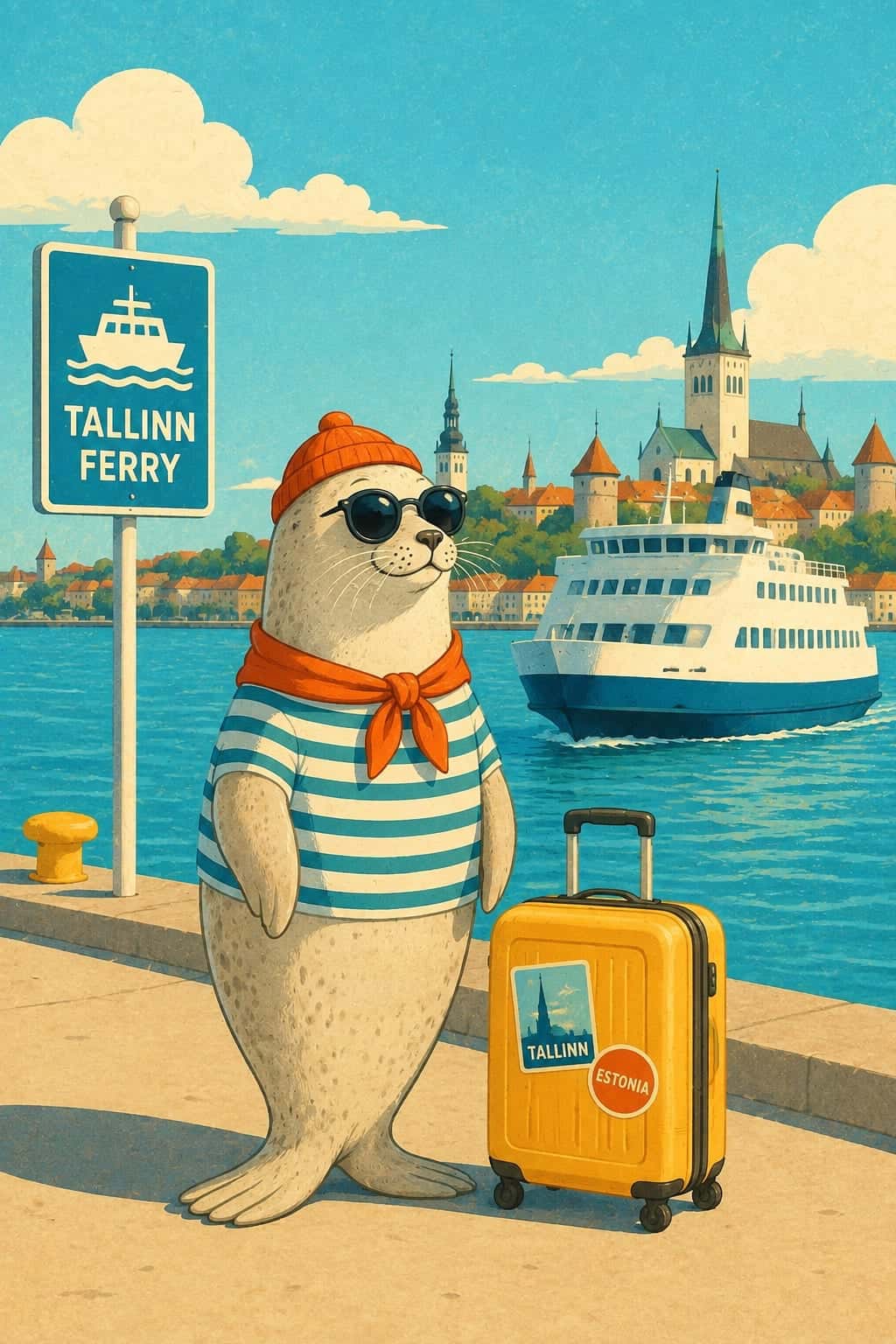
The seal is our host in Estonia. Grey seals rest on the islets off Saaremaa and Hiiumaa, and a boat from the islands will take you out to them.
Many travelers end here, after Vilnius and Riga. Tallinn rewards two unhurried days; the islands and Lahemaa want at least three more.