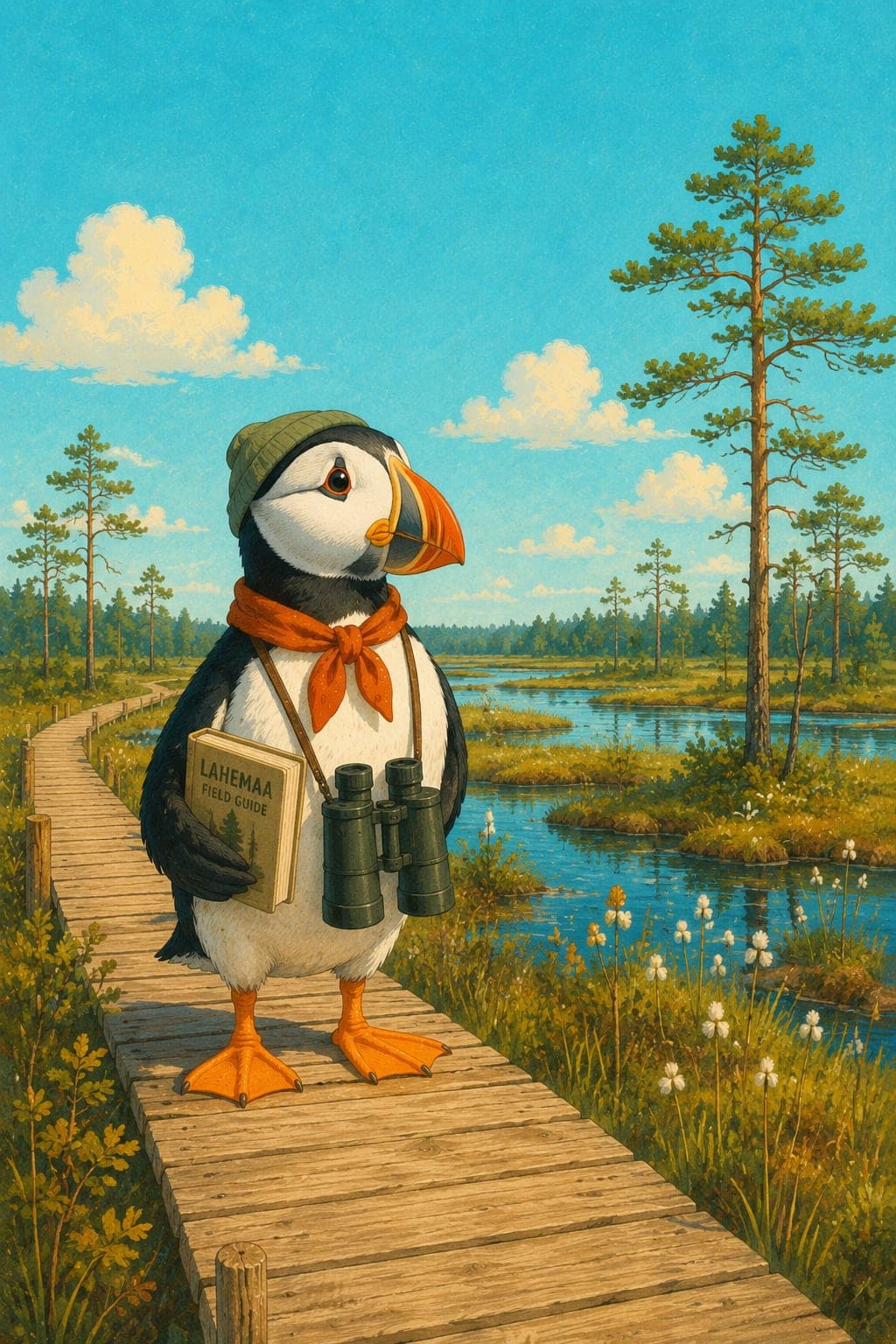
Wo die Wildnis ist
Litauen hat die Dünen, Lettland die Flusstäler, Estland die Moore und Inseln, Polen den letzten Urwald, Finnland die Seen und die Arktis. Nichts davon ist schwer zu erreichen, und fast alles ist still.
Dünen und Küste: die Kurische Nehrung
Eine UNESCO-Sandhalbinsel zwischen Haff und Meer, die Kurische Nehrung bei Nida beherbergt einige der größten Wanderdünen Europas. Bohlenwege über den Sand, Kiefernwald und ein Licht, dem Maler seit einem Jahrhundert nachjagen.
Lettland und Estland fügen eine sanftere Küste hinzu: das Belle-Époque-Meer bei Jūrmala, die weiten leeren Strände der Westküste und die Inselränder von Saaremaa.
Moore und Wald: Lahemaa und Soomaa
Estlands Hochmoore sind die charakteristische Landschaft der Region: eine schwimmende Welt aus Tümpeln und krüppeligen Kiefern, die Sie im Morgengrauen auf Moorschuhen durchqueren, in Lahemaa oder im Soomaa-Nationalpark. Die Hälfte des Landes ist Wald, und das merkt man.
Lettlands Gauja-Tal, manchmal die lettische Schweiz genannt, fügt Sandsteinfelsen, Burgen und einen Fluss zum Paddeln hinzu.
Tierwelt: Wisente, Robben und Vögel
Der Wald von Białowieża an der polnischen Grenze beherbergt Europas größte Herde wilder Wisente, die in der Dämmerung mit einem Ranger aufgespürt werden. Küste und Inseln liegen auf einer wichtigen Zugvogelroute, sodass Frühjahr und Herbst riesige Schwärme bringen, und die Ostsee hat noch ihre Robben.
Das ist unaufgeregte Tierbeobachtung: geduldig, still, ohne die Menschenmengen der bekannteren Parks.
Wie und wann Sie es bereisen
Mai bis September ist die grüne Saison, mit langem Tageslicht und allen offenen Wegen; Juni und Juli bringen die weißen Nächte. Der Herbst färbt die Wälder golden und still. Wir bauen die Natur in eine private Reiseroute mit einem lokalen Guide ein, sodass das Wandern zu Ihnen passt und das Fahren jemand anderes übernimmt.
Es lässt sich natürlich mit den Städten verbinden: eine Moorwanderung im Morgengrauen, eine Hauptstadt am Nachmittag.
- Wann ist die beste Zeit für Natur im Baltikum?
- Mai bis September für lange Tage, offene Wege und mildes Wetter, wobei Juni und Juli die berühmten weißen Nächte bringen. Der Herbst ist golden und still. Der Winter hat seinen eigenen kargen Reiz, schneebedeckte Moore und gefrorene Seen, für die gut Eingepackten.
- Ist das Wandern schwierig?
- Selten. Die meisten der charakteristischen Landschaften, die Moore, die Dünen, die Flusstäler, werden über Bohlenwege oder sanfte Pfade erreicht, und wir passen den Tag Ihrem Tempo an. Moorschuhwanderungen und Kanuabschnitte sind optionale geführte Ergänzungen.
- Kann man im Baltikum wilde Wisente sehen?
- Ja, im Urwald von Białowieża an der polnischen Grenze, Heimat von Europas größter wilder Wisentherde, die in der Dämmerung mit einem Parkranger aufgespürt wird. Er ist Teil unserer Polen- und Mehrländer-Routen.
- Kann man Natur mit den Städten verbinden?
- Genau so bauen wir es auf. Eine Moorwanderung im Morgengrauen oder ein Dünenmorgen fügt sich beiderseits einer Hauptstadt ein, sodass eine einzige private Reise Ihnen beides gibt, die Altstädte und die Wildnis.
Noch eine Frage offen?
Fragen Sie das kleine Team, das diese Reisen selbst durchführt. Eine echte Person antwortet, meist innerhalb eines Werktags.