The shape of the route
The route runs consistently north: Vilnius in Lithuania, then Riga in Latvia, then Tallinn in Estonia. There is no backtracking. Each capital is genuinely distinct, and the drives between them pass landscapes and sites worth stopping for.
The whole trip covers around 600 km of driving, handled in two legs of three to five hours each. A private car makes the drives productive: you stop for the Hill of Crosses, the Pärnu coast, or a lunch in a small town along the way.
Seven days: the classic circuit
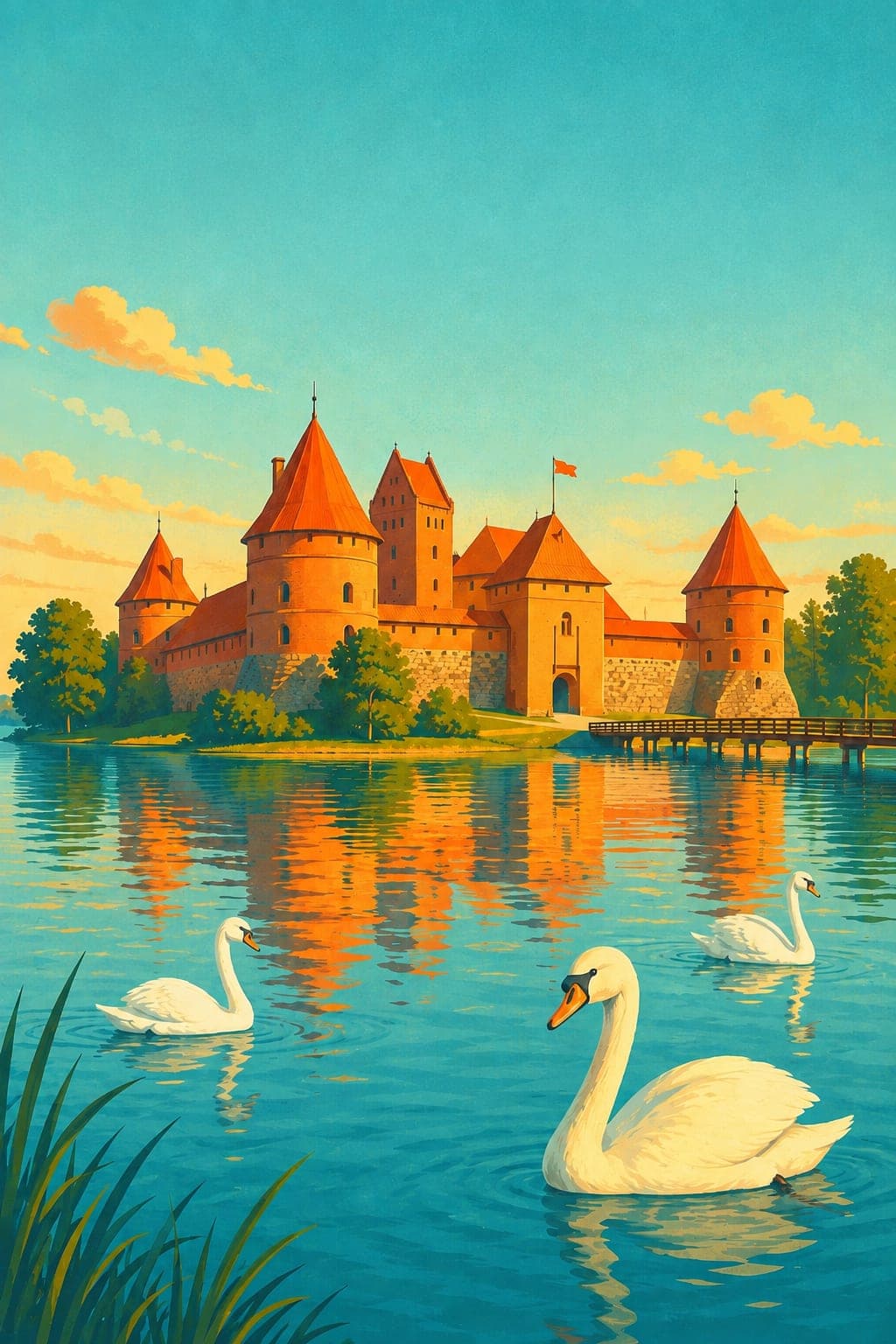
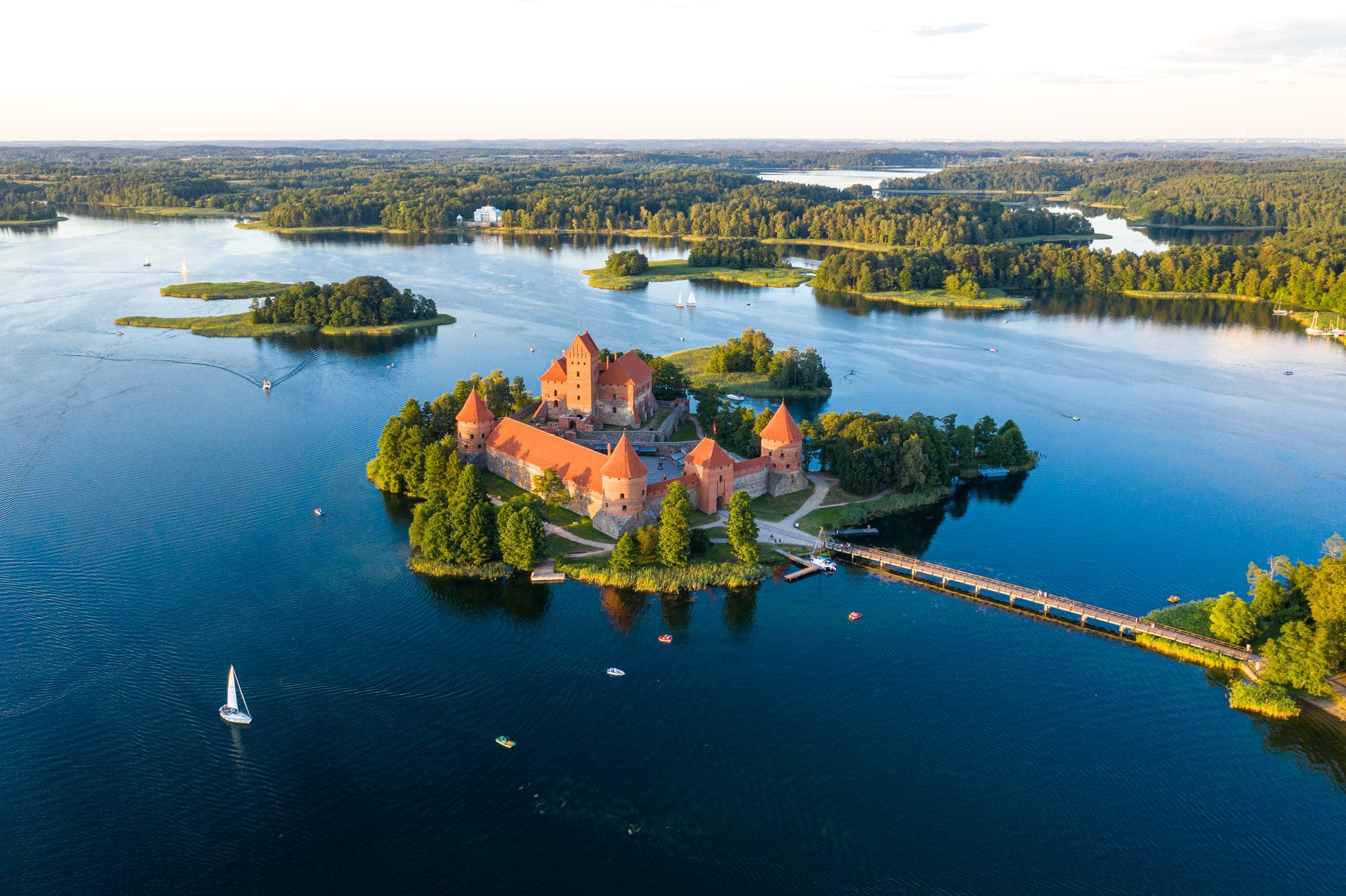
Days 1 and 2: Vilnius. The UNESCO baroque old town on foot, the Užupis artists' quarter, and the Palace of the Grand Dukes. A day trip to Trakai island castle fits naturally into the second day.
Day 3: the drive north to Riga. About four hours by private car, with the Hill of Crosses near Šiauliai as a midway stop. Cross the Lithuanian-Latvian border and arrive in Riga by mid-afternoon.
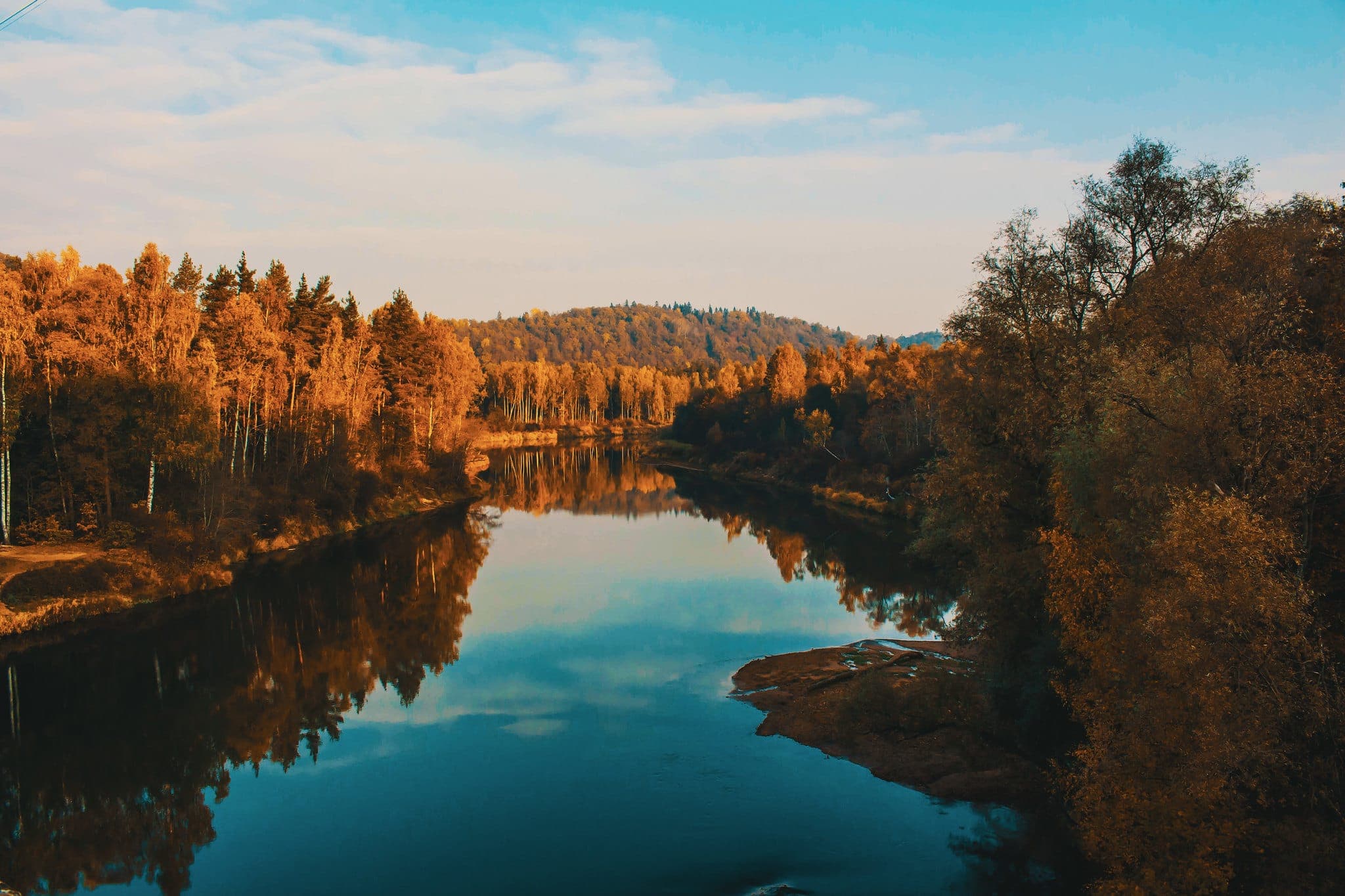
Days 4 and 5: Riga. The Art Nouveau quarter on Alberta iela, the Central Market in the Zeppelin hangars, and the medieval old town. A morning at Jūrmala or an afternoon in the Gauja valley fits the second day.
Day 6: the drive north to Tallinn. About four hours via Pärnu, the Estonian coastal resort, with a lunch stop on the way.
Day 7: Tallinn. The Toompea upper town, the lower old town with its guild halls and medieval pharmacy, and an evening in the Telliskivi creative quarter. Fly home, or take the fast ferry to Helsinki.
Ten days: what the extra three days add
Insert two nights on the Curonian Spit between Vilnius and Riga. Drive to Klaipėda, cross by ferry to Smiltynė, and settle into Nida on the spit. Parnidis dune at dawn, a lagoon afternoon, smoked fish on the water.
Add a night in Tartu, Estonia's university town, between Riga and Tallinn: the most un-touristy stop on the route and a useful counterpoint to the medieval cities.
Or simply slow the whole circuit down: more time in each city, a proper free afternoon, an unhurried lunch.
What the drives are like
Vilnius to Riga is around 300 km. The first hour is through Lithuanian countryside; the Hill of Crosses, a spontaneous pilgrim site with over 200,000 crosses on a single mound, sits roughly halfway and takes about 40 minutes to visit.
Riga to Tallinn is around 310 km. The route via Pärnu follows the Estonian coast for a stretch. The drive takes four to five hours total, with stops.
Neither leg is hard, but both have worthwhile detours and the landscapes are different enough to hold attention across the distance.
Private car versus public buses
Intercity buses connect all three capitals, with comfortable coaches and online booking. They are a reasonable budget option if your only goal is getting between cities.
A private car stops at the Hill of Crosses, the Pärnu coast, a roadside amber market, or anywhere else that looks worth it. It picks you up at the hotel and drops you at the next one. For a week in the Baltics, that flexibility is a significant part of what makes the trip work.
Getting between the capitals: times and costs
Three ways to cover each leg, in rising order of cost. Intercity coaches (Lux Express, Ecolines) run Vilnius to Riga in about four hours and Riga to Tallinn in about four and a half, several departures a day, booked online, with power and wifi on board. This is the budget option and it is perfectly comfortable.
Trains are the infrequent option. One direct train a day runs from Vilnius to Riga in about four hours, and since January 2026 one a day runs from Riga to Tallinn in about six. They are pleasant, but a single departure a day means the timetable plans your day for you.
Flying between the capitals is possible but rarely sensible: once you add airport transfers and check-in, a one-hour flight becomes a three-hour door-to-door trip, barely quicker than the bus and usually dearer.
A private driver costs more than all of the above and buys you the stops. The Hill of Crosses is not on a bus route in any practical sense. Neither is Rundāle Palace, the Latvian manor house that sits almost exactly between Vilnius and Riga if you are willing to detour.
When to go
June to August is peak: long days (Midsummer light runs past 11pm), every terrace open, and the Old Towns busiest. Book hotels early. Late June is the single best week if you want the Baltic summer at full volume.
May and September are the value months. The weather is still reliable, the crowds have thinned, and prices drop noticeably. September in particular gives you warm days, cold evenings, and the start of the forest colour.
December is its own trip. The Christmas markets in all three capitals run from late November, and the cities look better under snow than under sun. Days are very short (sunset around 3:30pm), which changes what a day can hold.
January to March is quiet and cheap, with real winter conditions. Worth it if you want the Baltics without other visitors and do not mind the dark.
Where to base yourself in each city
Vilnius: stay inside or on the edge of the Old Town. The Old Town is large by Baltic standards and walkable end to end in about 25 minutes, so a central base saves you real time. Užupis is atmospheric but slightly out of the way for a two-night stay.
Riga: the Old Town is compact and can feel touristy at night. The Quiet Centre, the Art Nouveau district around Alberta iela, is ten minutes on foot and considerably more pleasant to come back to.
Tallinn: the Old Town is the most intact medieval core of the three and the obvious place to stay for a short visit. If you have a third night, Telliskivi and the Kalamaja wooden-house district give you the contemporary city.
Fourteen days: the coast, the islands, and Helsinki
Two weeks lets the route breathe rather than simply adding stops. The pattern that works: three nights per capital instead of two, plus the Curonian Spit, plus one Estonian island.
Add Saaremaa, Estonia's largest island, reached by ferry from Virtsu. Juniper, windmills, a meteorite crater, and a pace that is noticeably slower than the mainland. Two nights is right.
Finish with two nights in Helsinki via the Tallinn ferry. It costs you almost nothing in transit time and gives the trip a fourth, quite different capital to end on.
If you would rather go south than north, Kraków and Warsaw connect naturally from Vilnius and turn the trip into a Baltic and Polish circuit.
Practical notes
Money: all three countries use the euro. Card payment is near-universal, including on buses and in taxis. You can complete the whole trip without withdrawing cash.
Borders: Lithuania, Latvia, and Estonia are all in Schengen, so the two land borders on this route are unmarked and there are no checks. Carry your passport regardless.
Language: English is widely spoken in all three capitals, particularly by anyone under 40 and in anything tourism-facing. Russian is common among older speakers in Latvia and Estonia. You will not need either language to travel.
Connectivity: EU roaming applies, and public wifi is good and free in most cafés, hotels, and on intercity coaches. Estonia in particular is close to fully digital.
Distances: the total drive is around 600 km. If you are self-driving, note that cross-border one-way rental fees between the three countries are common and can be steep. Check before booking.
| Intercity coach, per leg | $8 to $30 pp | Lux Express or Ecolines, booked online |
|---|---|---|
| Private transfer, per leg | $417 to $782 | total per vehicle, with a sightseeing stop |
| Airport or port transfer | $42 to $76 | total, per vehicle |
| The whole circuit, privately guided | $673 to $6,540 pp | hotels, guide, driver, entries included |
- Is 7 days enough for all three Baltic capitals?
- Yes. Seven days is the standard and comfortable length. You see each capital properly: two nights in Vilnius, two in Riga, two in Tallinn, with the drives on days 3 and 6 as sightseeing legs.
- What order should I visit the Baltic capitals?
- Vilnius, Riga, then Tallinn: south to north. This follows the natural direction and ends in Tallinn, the best base for a Helsinki ferry extension. Going north to south is also possible but less common.
- Do I need a visa for all three Baltic countries?
- Lithuania, Latvia, and Estonia are all in the EU and Schengen Area. One Schengen visa covers all three. EU and EEA citizens need no visa.
- Can I add Helsinki to the Baltic capitals itinerary?
- Easily. Tallinn to Helsinki is two hours by fast ferry, with multiple crossings daily. Add one to two days at the end of the trip.
- What is the best tour for the Baltic capitals circuit?
- Our Three Crowns tour covers all three capitals in eleven days with the Curonian Spit, Gauja valley, and Estonian islands included. The Grand Odyssey adds Poland and Finland for a nineteen-day full-north journey.
- How far apart are Vilnius, Riga and Tallinn?
- Vilnius to Riga is about 300 km, roughly three and a half hours by road. Riga to Tallinn is about 310 km, four to five hours. The full circuit is around 600 km of driving, split across two travel days.
- Is there a train between the Baltic capitals?
- Yes, but only once a day on each leg. A direct train runs from Vilnius to Riga in about four hours, and from Riga to Tallinn in about six since January 2026. The coach runs far more often, and is quicker from Riga to Tallinn, so most travellers use buses or a private car.
- What is the cheapest way to travel between the Baltic capitals?
- Intercity coaches. Lux Express and Ecolines run both legs several times a day, from around $8 to $30 per person, with wifi and power on board. Booking online a few days ahead gets the lower fares.
- When is the best time to do the Baltic capitals itinerary?
- June to August for long days and full summer, May and September for the best balance of weather, cost and quiet, and December for the Christmas markets. Midwinter is cheap and genuinely quiet but the days are very short.
- Should I start in Vilnius or Tallinn?
- Either works, but starting in Vilnius and ending in Tallinn is more common. It runs south to north and finishes at the Helsinki ferry, which makes extending the trip easy. Check open-jaw flights, as flying into one capital and out of another usually costs little extra.
Not sure how to shape the trip?
Tell us your dates and what you would like to see. We will draft a route that fits, usually within one working day.