Die Hauptstadt: Tallinn
Die Hauptstadt Estlands ist Tallinn, am Finnischen Meerbusen am Nordrand des Landes. Mit ihren weitgehend erhaltenen mittelalterlichen Mauern, Türmen und Kaufmannshäusern zählt sie zu den besterhaltenen Hansestädten Nordeuropas, und die Altstadt ist UNESCO-Weltkulturerbe.
Tallinn liegt zudem so nah an einer anderen Hauptstadt wie kaum eine Stadt Europas: Die Fähre nach Helsinki braucht etwa zwei Stunden, was einen Tagesausflug nach Finnland leicht macht. Unterhalb des mittelalterlichen Kerns bilden das Holzviertel Kalamaja und die früheren Fabrikhöfe von Telliskivi die andere Hälfte der Stadt, voller kleiner Küchen, Designstudios und Cafés.
Die Landschaft: Wald, Moor und keine Berge
Estland ist flach, nicht gebirgig. Das Land hat überhaupt keine Berge: Der höchste Punkt, der Suur Munamägi im Südosten, erreicht nur 318 Meter, die höchste Erhebung des Baltikums, aber eben doch nur ein Hügel. Wer Alpenlandschaft sucht, ist hier falsch.
Estland bietet stattdessen Wald und Wasser. Etwa die Hälfte des Landes ist Wald, und rund ein Fünftel ist Feuchtgebiet, vieles davon Hochmoor: weite, weiche, lichtdurchflutete Flächen, die man auf Bohlenwegen durchquert. Das Viru-Moor in Lahemaa, eine Stunde östlich von Tallinn, lässt sich am leichtesten begehen. Wildtiere sind hier tatsächlich zu Hause, mit Elch, Luchs, Braunbär und Hunderten Vogelarten in Wäldern und Mooren.
Die Inseln
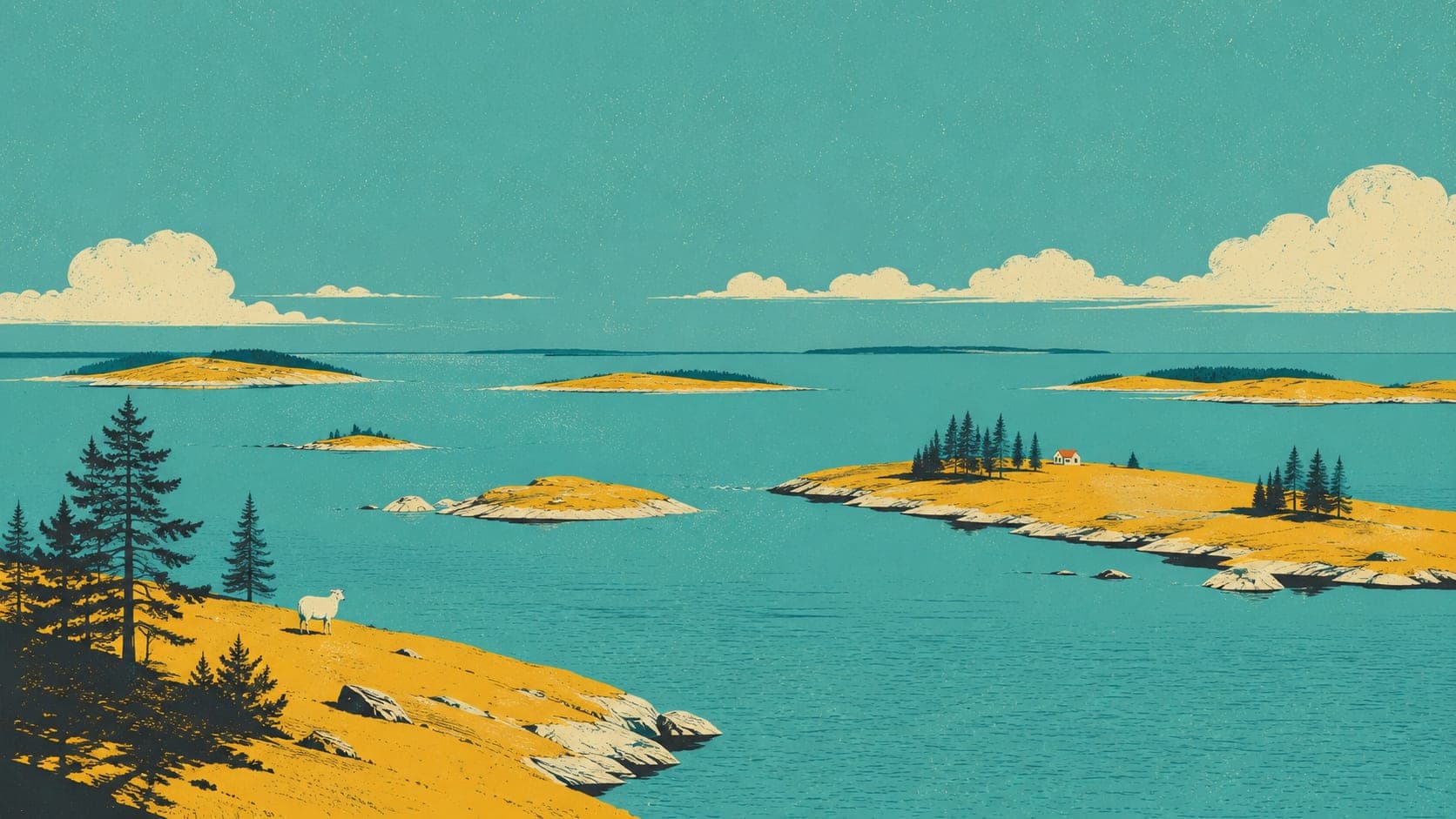
Estland hat über 2.000 Inseln, verstreut vor seiner Westküste, von denen aber nur ein paar Dutzend richtig bewohnt sind. Die beiden größten sind Saaremaa und Hiiumaa, beide langsam, flach und dicht bewaldet, bekannt für ihre alten Holzkirchen, Windmühlen und Leuchttürme.
Saaremaa ist die größere und bekanntere, über eine kurze Fähre erreichbar und berühmt für die Kaali-Meteoritenkrater, eine Gruppe von Einschlagsseen aus prähistorischer Zeit. Hiiumaa, noch stiller, bewahrt eine eigene Inselkultur und einige der ältesten Leuchttürme der Ostsee. Beide sind vor allem Sommerziele, am schönsten, wenn die Fähren oft fahren und die Tage lang sind.
Die Städte und Orte
Nach Tallinn ist die größte Stadt Tartu im Süden, die Universitätsstadt des Landes und seit vier Jahrhunderten sein geistiges Zentrum. Pärnu an der Südwestküste ist der Sommer- und Kurort, der Ort, an den die Esten ans Meer fahren. Narva, weit im Osten an der russischen Grenze, ist eine überwiegend russischsprachige Stadt an einem Fluss, an dem sich zwei Burgen gegenüberstehen.
Der große Naturmagnet nahe der Hauptstadt ist der Nationalpark Lahemaa, eine Stunde östlich von Tallinn: Hochmoore, eine raue Küste, Fischerdörfer und restaurierte Gutshäuser. Im äußersten Südosten bewahrt Setomaa die Kultur der Seto, einer orthodoxen Minderheit, deren mehrstimmiger Gesang und Rauchsaunatradition von der UNESCO anerkannt sind.
Wofür Estland bekannt ist
Estland ist zuerst für das mittelalterliche Tallinn bekannt und dann dafür, die digitalste Gesellschaft Europas zu sein. Nahezu jeder öffentliche Dienst läuft online, vom Wählen bis zur Unterzeichnung einer Grundstücksübertragung per Handy, und das Land war Vorreiter bei der E-Residency, einer staatlichen digitalen Identität, die auch Menschen offensteht, die nie einen Fuß ins Land gesetzt haben. Der E-Staat ist die Tatsache, die die meisten im Ausland heute mit dem Land verbinden.
Jenseits des Bildschirms ist Estland für seine Inseln, seine Moore und seine Saunen bekannt, darunter die Rauchsaunen des Südostens. Kulturell prägt das Sänger- und Tanzfest das Land, ein großes Chortreffen, das es mit Lettland und Litauen teilt und das die UNESCO anerkennt, bei dem Zehntausende gemeinsam singen. Estland hat außerdem durch den Baltischen Weg einen Platz in der jüngeren Geschichte, die Menschenkette von 1989, die Tallinn, Riga und Vilnius über die drei Länder hinweg verband.
Die beste Reisezeit
Die beste Reisezeit für Estland ist von Juni bis August. Das ist die warme Jahreshälfte, wenn Küste und Inseln geöffnet sind, die Moore trocken genug zum Wandern und die Tage lang. Der Juni bringt die Weißen Nächte, wenn das Licht kaum aus dem Himmel weicht und es auf diesem Breitengrad nie richtig dunkel wird.
Der Dezember ist das andere Fenster, für Tallinns Weihnachtsmarkt auf dem Altstadtplatz, einen der ältesten und schönsten Europas, unterhalb des mittelalterlichen Rathauses. Außerhalb dieser beiden Fenster sind die Übergangsmonate Mai und September ruhiger und günstiger, bei kühlerem, hellerem Wetter und weniger Besuchern.
- Was ist die Hauptstadt Estlands?
- Die Hauptstadt Estlands ist Tallinn. Sie liegt am Finnischen Meerbusen, hat eine der besterhaltenen mittelalterlichen Altstädte Nordeuropas, ein UNESCO-Welterbe, und liegt etwa zwei Stunden per Fähre von Helsinki entfernt.
- Wofür ist Estland bekannt?
- Estland ist bekannt für das mittelalterliche Tallinn, dafür die digitalste Gesellschaft Europas zu sein mit E-Residency und Online-Behördendiensten, für seine über 2.000 Inseln und seine Moore sowie für das Sänger- und Tanzfest, eine von der UNESCO anerkannte Chortradition des Baltikums.
- Hat Estland Berge?
- Nein. Estland hat keine Berge. Es ist ein flaches Land, und sein höchster Punkt, der Suur Munamägi, erreicht nur 318 Meter, die höchste Erhebung des Baltikums, aber doch nur ein Hügel. Die Landschaft ist von Wald, Moor und Inseln geprägt, nicht von Gipfeln.
- Welche Städte und Orte sollte man besuchen?
- Zuerst Tallinn, dann Tartu, die Universitätsstadt im Süden, und Pärnu, den Sommerort an der Küste. Dazu die Inseln Saaremaa und Hiiumaa, den Nationalpark Lahemaa nahe der Hauptstadt und Setomaa im Südosten.
- Wie ist die Landschaft?
- Flach und grün. Etwa die Hälfte Estlands ist Wald und rund ein Fünftel Moor, das man auf Bohlenwegen durchquert, mit über 2.000 Inseln vor der Westküste. Berge gibt es nirgends, und der höchste Punkt liegt bei nur 318 Metern.
- Wann ist die beste Reisezeit?
- Juni bis August wegen der langen Tage, der offenen Inseln und der Weißen Nächte im Juni, wenn es nie ganz dunkel wird. Der Dezember ist die Zeit für Tallinns Weihnachtsmarkt, einen der ältesten Europas.
Noch eine Frage offen?
Fragen Sie das kleine Team, das diese Reisen selbst durchführt. Eine echte Person antwortet, meist innerhalb eines Werktags.