Lithuania: potato, beetroot and beer
Saltibarsciai is the dish to photograph and then be surprised by. It is a cold soup of beetroot and kefir, an alarming fluorescent pink, served with a hot boiled potato on the side and usually dill and egg. It sounds wrong and it is excellent, and it is a summer staple that appears on nearly every menu from May to September.
Cepelinai are the national dish: large potato dumplings shaped like zeppelins, filled with minced meat or curd, served with bacon and sour cream. They are heavy in a way that requires respect. One is a meal. Kugelis, a baked grated potato pudding, is the same idea in another form.
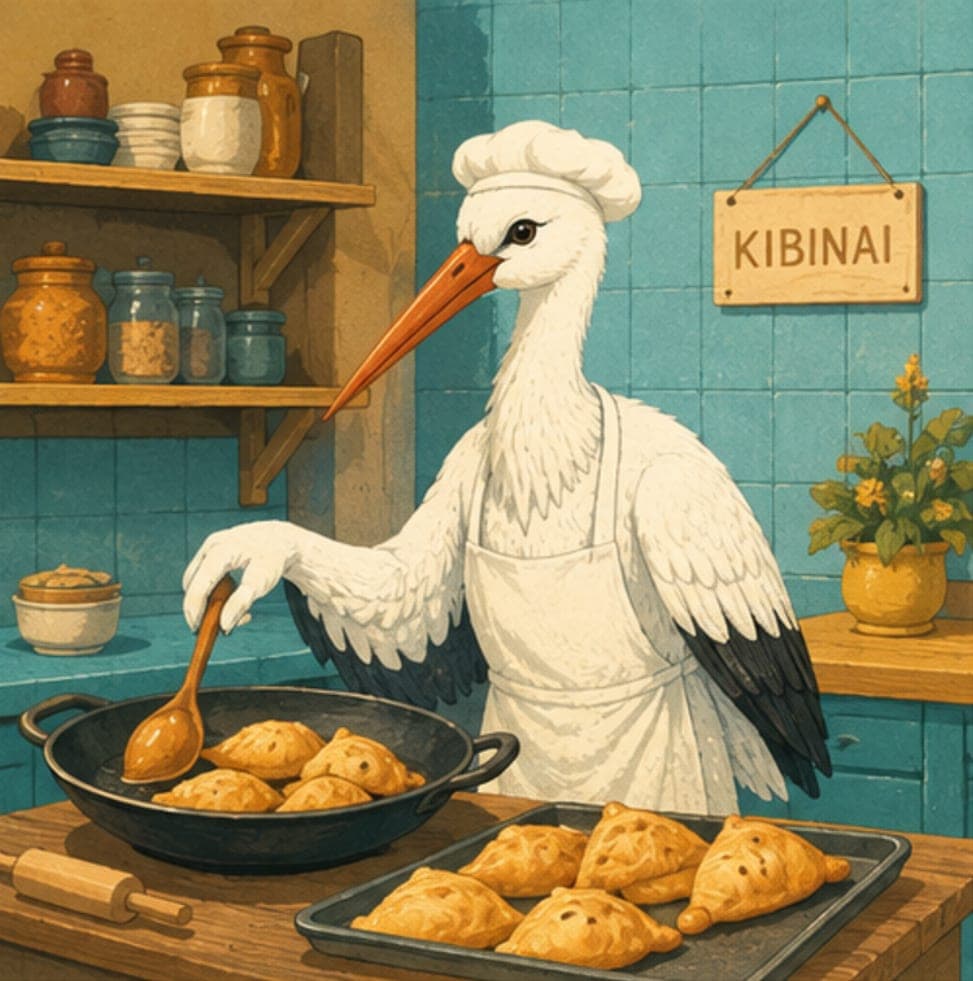
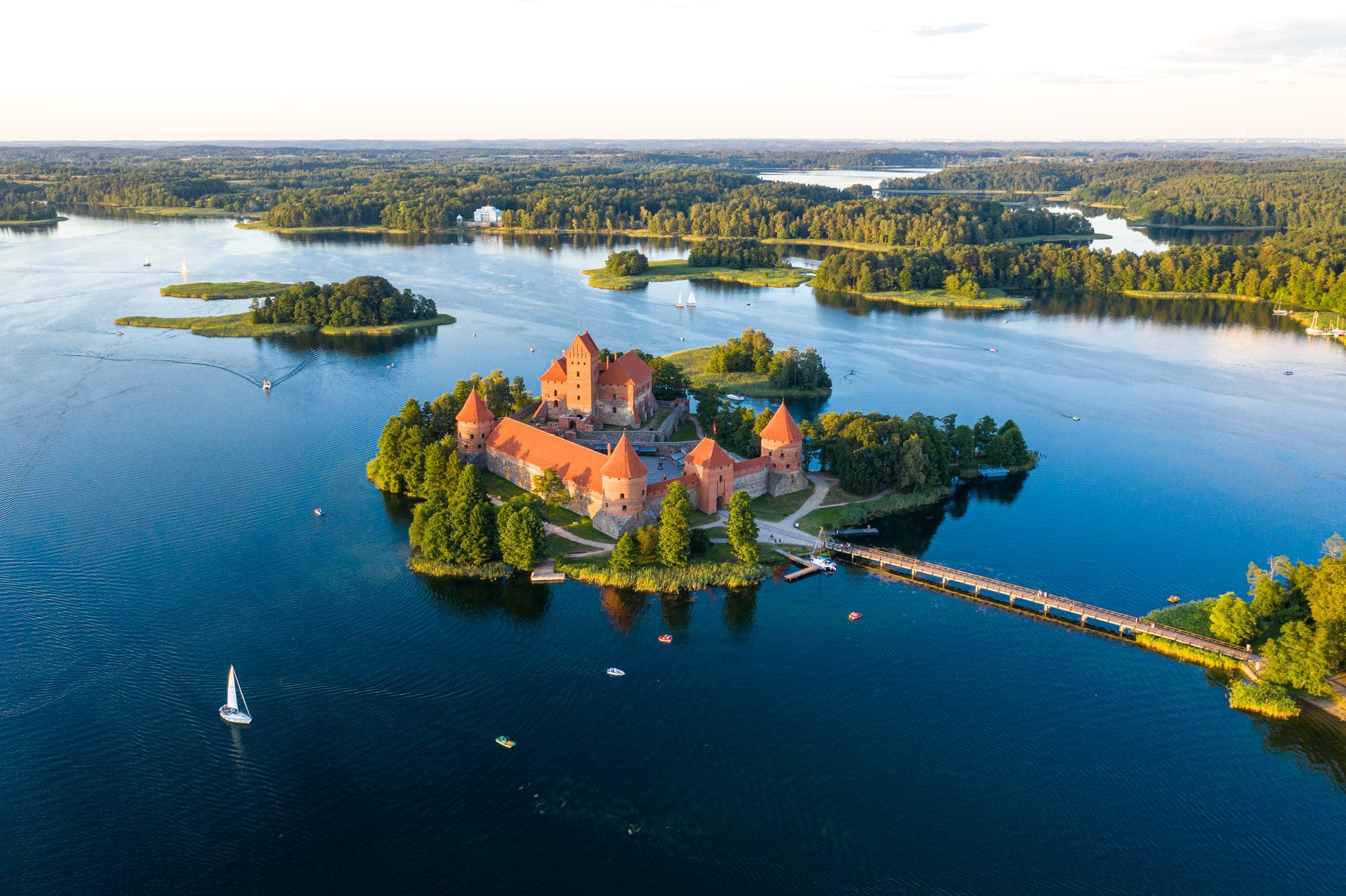
Kibinai are the Karaim pastries of Trakai, half-moon parcels of lamb and onion brought here by a Crimean community in the fourteenth century, and eating one by the lake below the castle is the correct way to have lunch in Trakai.
Each region cooks its own way. Žemaitija, in the west, has kastinys: sour cream whipped with butter and spices, eaten with boiled potatoes. Dzūkija, the forested southeast, is mushroom country, and its banda is a savoury cake of potato or buckwheat baked on a cabbage leaf. Suvalkija, in the southwest, is known for skilandis, a cold-smoked spiced sausage. On the coast the staple is fish, and on the Curonian Spit it is sold freshly smoked.
Lithuanian beer deserves more attention than it gets. Aukštaitija, in the northeast, has kept its old brewing traditions, particularly around Panevėžys, Biržai and Pasvalys. The farmhouse ale tradition, including keptinis, made with baked rather than boiled mash, is one of the genuinely distinctive surviving beer cultures in Europe. Ask for a local brewery rather than a national lager.
Eating your way across Lithuania
Lithuanians have traditionally made the midday meal, pietūs, the main one of the day. The heavy dishes suit lunch for that reason. Plan cepelinai for midday rather than the evening, and one potato dish a day is plenty.
On a private route the food stops fall where the road already goes. A morning at Halės turgus, the oldest market in Vilnius, fits before a day in the old town. A castle morning in Trakai ends with kibinai. Smoked fish in Nida breaks up a day on the dunes. The drive north to Riga passes Panevėžys, in the brewing country, and a long lunch there splits the drive in two.
These are ideas we build in on request, not fixed inclusions. Ask for a food-focused trip and we suggest a market, a lunch stop or a table for each day. A place is booked only once we confirm it in writing before you travel.
Latvia: rye, peas and Black Balsam
Grey peas with bacon, peleekie zirni ar speki, is the national dish and is exactly what it sounds like: fat grey field peas, onion and bacon, eaten with sour milk. It is plain, ancient and very good in winter.
Sklandrausis is the one to seek out: a small open tart with a rye pastry case filled with potato and sweetened carrot, from the Kurzeme region, and one of the few Baltic foods with EU protected status. It is sweet, earthy and unlike anything else.
Rupjmaize, the dark sourdough rye bread, is taken extremely seriously in Latvia. It appears everywhere, including as a dessert, layered with cream and cranberries as rupjmaizes karteojums, which is far better than a bread pudding has any right to be.
Riga Black Balsam is a herbal liqueur, made since 1752, forty-five percent alcohol, black, bitter and medicinal. Drink it in coffee or with blackcurrant rather than neat the first time. And Riga Central Market, in five converted Zeppelin hangars, is where to see all of this at once.
Estonia: black bread, sprats and curd
Leib, the Estonian black rye bread, is the foundation of the cuisine and a matter of some national feeling. It is dense, slightly sweet and sour, and it is the thing Estonians abroad miss most.
Marinated sprats on black bread with egg is the classic open sandwich, and smoked fish generally is a coastal staple, particularly on the islands and around Lake Peipsi, where the Old Believer villages smoke it in the traditional way.
Kama is peculiar to Estonia and worth trying: a roasted flour of barley, rye, oat and pea, stirred into buttermilk or yoghurt, historically a field worker's food and now a dessert. Kohuke, a small curd bar in a chocolate coating, is the beloved everyday snack and is sold in every shop.
Verivorst, blood sausage with lingonberry jam, is the Christmas dish. Estonians eat it in December with the same certainty other countries eat turkey.
What the three have in common
Rye bread, in every form. Curd cheese, called varske, biezpiens and kohupiim, sweet or savoury, in dumplings, pancakes, cakes and bars. Smoked and pickled fish, particularly herring, eel and sprats. Pork, in most of its possible configurations. Potato.
And the forest. Mushrooms and berries are not a garnish here, they are a food supply. Chanterelles in cream over potatoes in September, lingonberry with meat, cranberry with everything, and sea buckthorn, which grows on the coastal dunes and is worth trying as juice.
Sour cream sits on top of a startling proportion of dishes. Dill sits on top of the rest. If you dislike both, say so early.
How to eat well and cheaply
The weekday set lunch is the single best trick in the region. Called pietus in Lithuania, dienas pusdienas in Latvia and paevapraad in Estonia, it runs roughly noon to three on weekdays and gives you two or three courses for eight to fourteen euros, often in restaurants charging three times that at dinner.
The markets are the other answer. Riga Central Market, Vilnius Halles and the Balti Jaam market in Tallinn all have excellent, cheap food halls alongside the produce, and they are where locals actually eat.
For a picnic, any supermarket will give you good rye bread, smoked fish, curd cheese, cucumbers and berries for under ten euros. Given the region's landscape, a picnic is frequently the better lunch anyway.
The new restaurant scene
This is the part that surprises people. The Michelin Guide arrived in Estonia in 2022 and in Latvia and Lithuania in 2024, and all three capitals now hold starred restaurants. What they are doing is genuinely interesting: new Nordic technique applied to Baltic ingredients, which means fermentation, foraging, birch, spruce, curd, rye and smoke rather than imported luxury.
Tallinn has the deepest scene, Vilnius the most rapidly improving one, and Riga the strongest mid-market, where the best cooking is often in an unstarred place charging half as much.
Book ahead for the top tables, particularly at weekends, and consider the lunch tasting menu, which is frequently half the price of dinner for the same kitchen. One evening of this in a week is a good use of a budget, and it costs a fraction of the equivalent in Copenhagen.
Vegetarians, and other practicalities
Better than the traditional menus suggest. All three capitals have proper vegetarian and vegan restaurants and most modern places handle it easily. The traditional repertoire is another matter, since even the vegetable dishes tend to arrive with bacon in them, so ask rather than assume.
Curd, potato pancakes, mushroom dishes, beetroot and the excellent bread mean a vegetarian eats well here even in a traditional restaurant, provided they ask about the bacon.
Tap water is safe everywhere and restaurants will bring it, though in some traditional places you may have to ask specifically for tap rather than bottled. Tipping is not obligatory: round up, or about ten percent for a proper meal.
- What is the national dish of Lithuania?
- Cepelinai, large potato dumplings shaped like zeppelins and filled with minced meat or curd, served with bacon and sour cream. In summer the dish everyone talks about is saltibarsciai, a cold bright pink beetroot and kefir soup.
- What is Latvian food like?
- Built on dark sourdough rye bread, pork, peas and dairy. The national dish is grey peas with bacon. Look for sklandrausis, a sweet carrot and rye tart with EU protected status, and try Riga Black Balsam, a bitter herbal liqueur made since 1752.
- What should I eat in Estonia?
- Black rye bread, which is the foundation of the cuisine, marinated sprats on bread with egg, smoked fish from the islands or Lake Peipsi, kama stirred into buttermilk, and kohuke, the curd bar sold in every shop. Blood sausage with lingonberry is the Christmas dish.
- What is saltibarsciai?
- A cold Lithuanian soup of beetroot and kefir, bright pink, served with dill, chopped egg and a hot boiled potato on the side. It is a summer staple from May to September and much better than its colour suggests.
- Is there good food for vegetarians in the Baltics?
- Yes in the capitals, which all have dedicated vegetarian and vegan restaurants. In traditional restaurants, curd, potato pancakes, mushrooms, beetroot and the bread are all excellent, but ask about bacon, which finds its way into vegetable dishes.
- Do the Baltic states have Michelin restaurants?
- Yes. The Michelin Guide arrived in Estonia in 2022 and in Latvia and Lithuania in 2024, and all three capitals now hold starred restaurants working with Baltic ingredients and new Nordic technique. Lunch tasting menus are often half the price of dinner.
- How can I eat cheaply in the Baltics?
- Take the weekday set lunch, served roughly noon to three, which gives two or three courses for €8 to €14 in restaurants charging far more at dinner. The market food halls in Riga, Vilnius and Tallinn are the other good option.
Make this part of your Lithuania trip.
Tell us your dates, interests and the pace you have in mind. We will suggest how this could fit your route.