
The short answer
Vilnius is safe. It is a capital of about 600,000 people with a UNESCO-listed old town that still looks much as it did three hundred years ago, and the centre is comfortable to walk at any hour. Lithuania sits in the same bracket as Portugal or Poland on most international crime and safety indices.
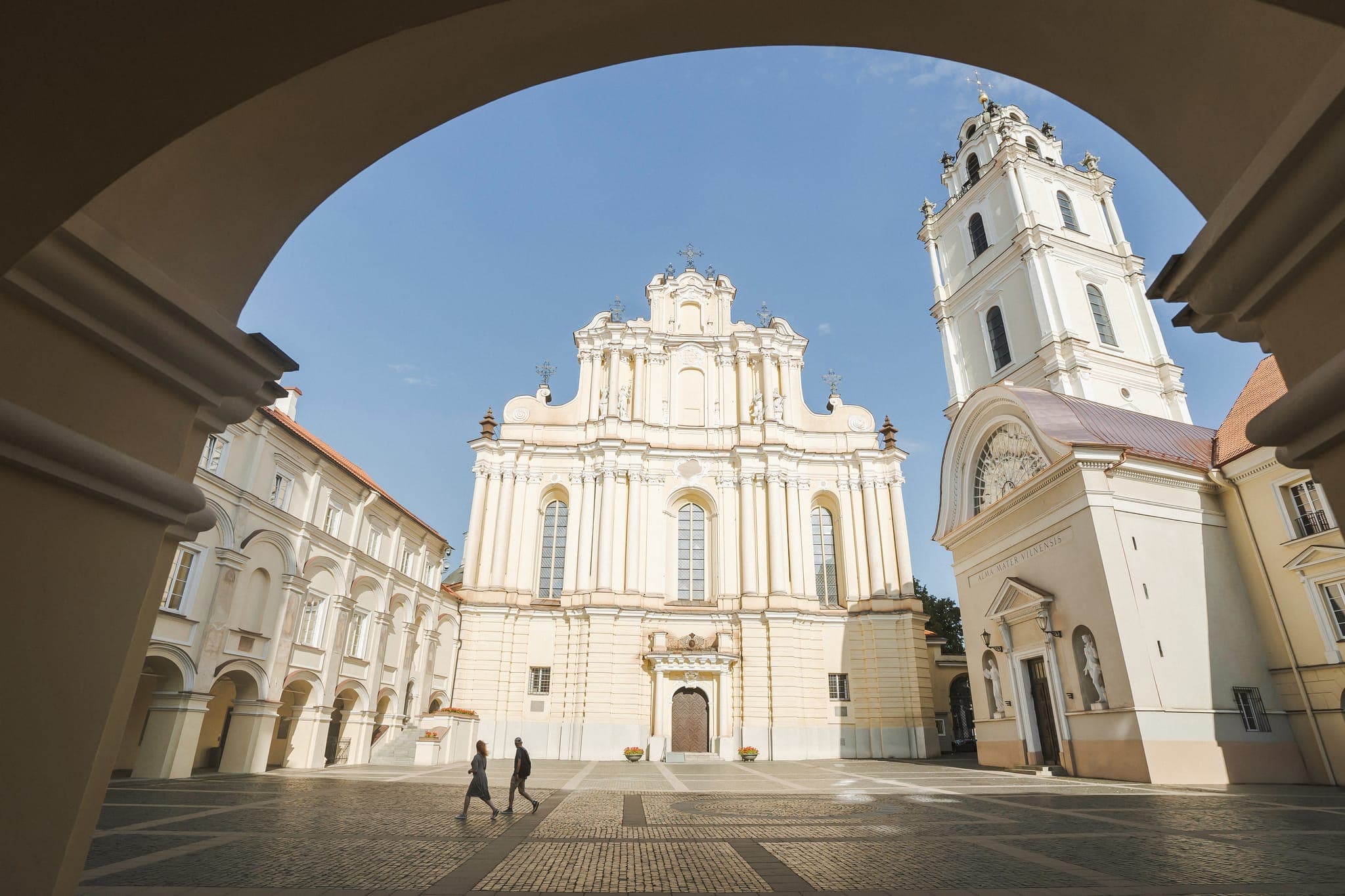
The city is also small in the way that matters: the old town, the cathedral, Uzupis and the river are all within twenty minutes on foot of one another, so you are rarely far from somewhere busy.
Where the pickpockets actually are
Petty theft in Vilnius concentrates in a handful of predictable places rather than across the city. Pilies and Ausros Vartu streets on a busy afternoon are the main ones, since they are the two streets every visitor walks. The Halles market is the second. Crowded terraces during a summer festival are the third.
Keep your phone out of a back pocket and your bag closed and off the back of the chair, and you have dealt with it. Violent crime is uncommon and very rarely involves visitors at all.
The station district, and the honest version of it
The area just south of the old town, around the bus and railway stations, is the one part of central Vilnius locals will tell you to pay attention to at night. It is scruffier than the old town, it has more people drinking in public, and it is where most of what little street crime the city has takes place.
It has also improved enormously in the last decade, and it is not a dangerous neighbourhood by any European standard. The honest advice is to walk through it with your wits about you rather than sit around in it after dark, and to take a Bolt rather than walk if you are arriving late with luggage.
Naujininkai, the district beyond it towards the airport, is an ordinary residential area rather than somewhere to avoid, though there is little reason to go.
The Belarus border, which is the real question
This is what most people mean when they ask, so here it is plainly. Vilnius sits about thirty kilometres from the border with Belarus, which makes it one of the closest capitals in Europe to a national frontier. That is a quirk of history rather than a warning.
The border is closed to ordinary crossings and heavily monitored. It makes no practical difference to a visit: the city goes about its business, flights land, restaurants are full, and nothing about a day here feels like a frontier town.
The other phrase that turns up in news coverage is the Suwalki gap, the sixty-five kilometre stretch of the Lithuanian and Polish border between Belarus and the Russian exclave of Kaliningrad. It is strategically important on a map in a briefing room. On the ground it is farmland, forest and a quiet motorway that people drive to Warsaw every day without a thought.
Lithuania is a full NATO member with allied troops permanently stationed in the country, including a substantial German brigade. The practical position is a defended, calm, entirely open city.
Taxis, roads and winter
Use Bolt or a taxi you have booked. Cars waiting outside nightlife venues and at the airport arrivals door without a booking are where overcharging happens, and it is an annoyance rather than a danger.
If you are driving, take winter seriously. Snow tyres are a legal requirement from 10 November to 31 March, roads outside the city ice over, and the sun sets early in December and January. Within the city, pavements get slippery and proper boots matter more than anything else on this page.
Solo travellers, women and families
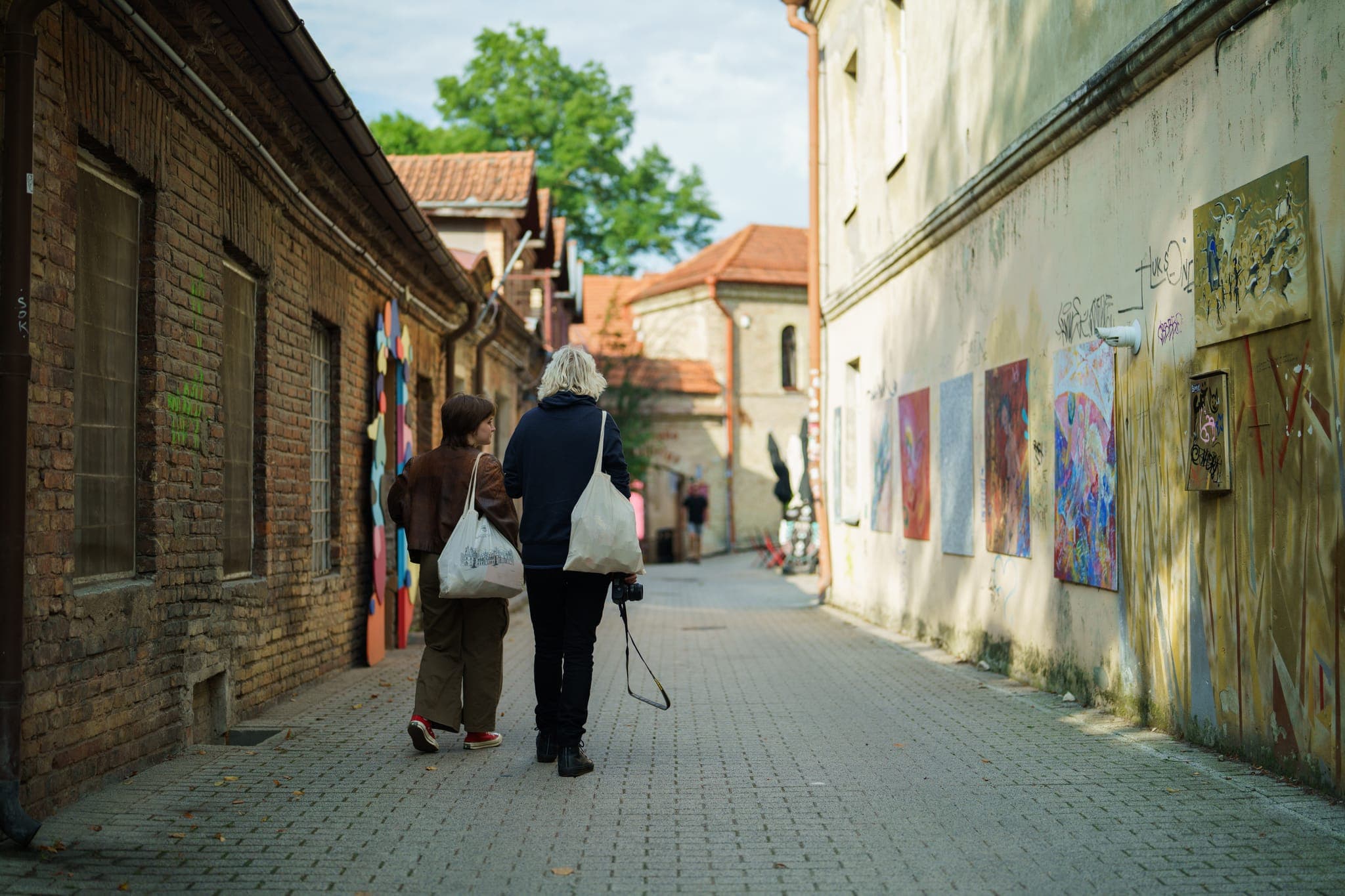
Vilnius is comfortable for solo travel. The centre is compact, well lit and walkable at night, locals are long used to visitors, and English is widely spoken by anyone under about forty-five. Solo travellers, including women, generally report feeling at ease here, and ordinary city sense is all that is needed.
For families it is easy going. The old town is walkable with children, Uzupis is a short and strange walk that most children enjoy, and the Neris riverside and Vingis park give you somewhere to let them run.
How a private trip handles all of this
Very little of this page survives contact with someone local arranging your days. You are met at arrivals with a fixed price rather than negotiating at a rank, the restaurants are ones we have eaten in, and the person who booked them answers the phone while you are here.
Vilnius does not need a safety pitch. But knowing which thirty kilometres matter and which do not is exactly the sort of thing that is easier to be told than to work out.
- Is Vilnius safe for tourists?
- Yes. Vilnius is a calm, walkable capital where violent crime very rarely touches visitors. The realistic risks are pickpocketing on the two busiest old-town streets, unbooked taxis, and icy pavements in winter.
- Is Vilnius safe at night?
- Yes. The old town and the centre are well lit and busy into the evening, and walking back to a hotel is normal. The area around the bus and train stations is the scruffiest part of the centre and is better crossed than lingered in after dark.
- How close is Vilnius to the Belarus border?
- About thirty kilometres, which is closer than most visitors expect. The border is closed to ordinary crossings and closely monitored, and it has no practical effect on a visit. Vilnius is simply one of the few European capitals this close to a frontier.
- Is Vilnius safe from Russia?
- Lithuania borders the Russian exclave of Kaliningrad and is a full NATO member with allied troops permanently stationed in the country. There is no fighting on Lithuanian soil and Vilnius goes about its business completely normally.
- Is Vilnius safe for solo female travellers?
- Yes. The centre is compact, well lit and walkable at night, locals are used to visitors, and solo women generally report feeling comfortable. Ordinary city sense is all that is needed.
- Which parts of Vilnius should I be careful in?
- Only the district around the bus and railway stations south of the old town, late at night. It has improved enormously and is not dangerous by European standards, but it is scruffier than everywhere else you are likely to walk.
- Can you drink the tap water in Vilnius?
- Yes. Tap water is safe across the country and in Vilnius it is genuinely good, drawn from deep wells. Bottled water is unnecessary.
Still weighing up whether to go?
Ask someone who lives and guides here. You will get a straight, current answer, usually within one working day.